
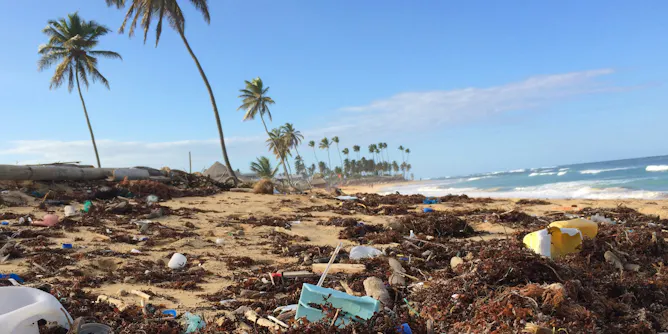
Scientists are discovering more microbes with the natural ability to break down plastic.
Articles on Microbes
Displaying 21 - 40 of 221 articles
Microbes hidden deep in ocean volcanoes could resemble life on other planets or moons.
Researchers are tracking multi-drug resistant bacteria in South Africa’s water to see how it endangers food safety when it’s used to irrigate crops.

A microbiologist explores the science behind beard hygiene.
Children who grow up on farms are less likely to develop asthma or allergies as adults. The reason? Micro-organisms in the air.
You can buy probiotics and prebiotics at the supermarket or pharmacy. But do they help your gut? Or are we better off eating fermented food such as cheese or kimchi?
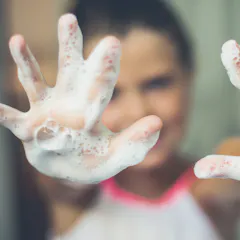
Taking a bath may not be your favorite thing to do, but it will help keep you clean and healthy.
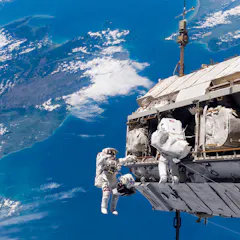
Astronauts’ health at risk due to too much cleanliness on the ISS – a lesson for Earth.
Scientists have described antimicrobial resistance as an overlooked pandemic. Improving surveillance can help prevent deadly outbreaks.

A harmful algal bloom of Karenia mikimotoi made dozens of surfers sick and killed seadragons, fish and octopuses on two South Australian beaches.

Sea foam is a health hazard. These bacterial smoothies can contain more harmful pathogens than a sewage treatment plant – and you wouldn’t go swimming in sewage.

Organic soils, one of the pillars of Québec’s food self-sufficiency, could disappear within 50 years. Fortunately, the application of straw or wood chips could regenerate these soils.
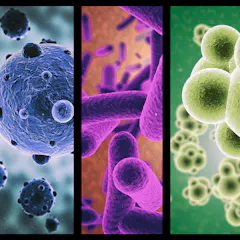
Using digital blueprints of the metabolism of microbes, scientists can simulate expensive and time-intensive experiments set in space, power plants and farm fields.

Children are particularly susceptible to the bugs that lurk in unsanitary water.
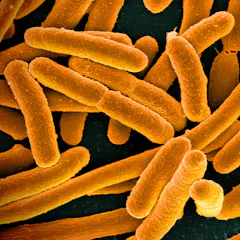
Certain strains of E. coli tucked in a gel can crowd out the microbes that cause urinary tract infections.
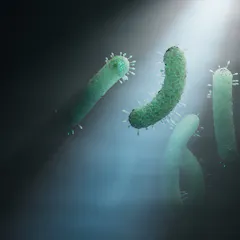
By analyzing the resistance genes and proteins of E. coli, researchers can optimize treatments to address both current and future antimicrobial resistance.
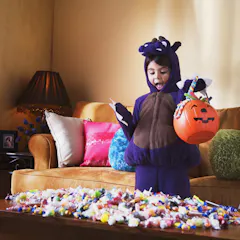
While most Halloween candies contain lots of sugar, some are better for your gut microbiome than others.
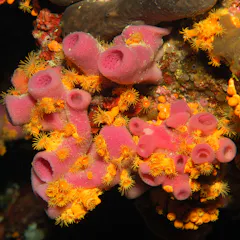
Microbial communities are essential to life, yet their complexity has long puzzled scientists. Now, a new framework aims to unravel how these intricate ecosystems form.
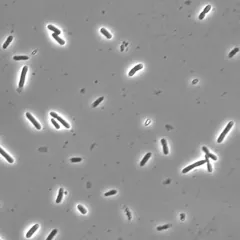
The world is full of microbes, and many of them like the taste of waste. Some carbon monoxide-loving microbes can be harnessed to transform waste into valuable biofuel.
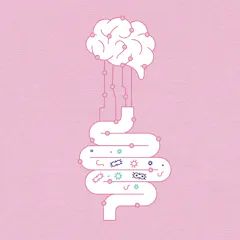
Imbalances in different species of bacteria in a baby’s gut may provide insights into their neurodevelopment.
Top contributors
-

Senior Lecturer in Clinical Microbiology, University of Leicester
-
Professor of Planetary Geosciences, The Open University
-
Associate Professor, Department of Entomology; African-American Studies, University of Illinois Urbana-Champaign
-
Doctoral Candidate in Microbiology, University of Oregon
-
Professor of Microbiology and Immunology, Indiana University
-
Senior Lecturer in Biology, Brunel University of London
-
Ecologist and Researcher, Flinders University
-
Associate Professor of Gastroenterology, School of Medicine, University of Washington
-
Professor emeritus, Colorado State University
-
Assistant Professor of Animal and Veterinary Sciences, University of Maine
-
Professor of Microbiology, Swinburne University of Technology
-
Professor of Biochemistry and Biomedical Sciences, McMaster University
-
Professor of microbiology, Manchester Metropolitan University
-
Postdoctoral Research Fellow, Washington State University
-
Senior Lecturer in Pharmaceutical Sciences, RMIT University