
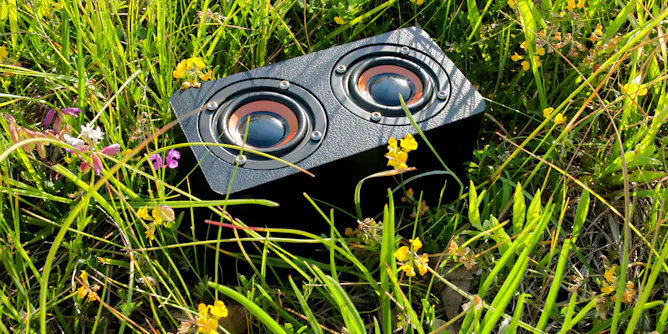
Imagine using tailored soundscapes to restore ecosystems, simply by amplifying recordings of sonic cues that attract wildlife, stimulate plant growth and rebuild relationships between species.
Articles on Microbes
Displaying 41 - 60 of 221 articles

A new database documents 16,000 proteins from deep-sea organisms that could yield new inventions.

New techniques monitor the health of lakes in real time by analyzing their microbiome to anticipate and respond to environmental threats such as cyanobacteria.

An accurate estimate of when someone died is a critical part of forensic investigations. In extremely cold conditions, molecular biology can provide critical information where the naked eye cannot.

Athletes have different gut microbiomes compared with the general population. Some of these microbes are thought to improve endurance and recovery by optimizing the cell’s powerhouses.
Rotifers are microscopic animals and their populations are entirely female.

Your upper intestine is host to a distinct population of microbes that play a role in digestion, metabolism and immunity.

Common summer activities can expose you to a host of infectious diseases. But there are simple steps you can take to protect yourself from pathogens ranging from E. coli to T. gondii.

In winter 2023-24, the Great Lakes’ ice cover was near record lows, peaking at just 16%. Researchers explain how diminishing ice could have consequences for fisheries, and how species are evolving.
You can thank yeast and bacteria for the distinctive taste and smell of the oldest leavened bread in history.

Most infection prevention guidelines center on the hospital environment rather than the patient. But the source of antibiotic-resistant microbes is often from the patient’s own body.

Rock dust is only part of the story of soil. Living creatures, many of them too tiny to see, keep that soil healthy for growing everything from food to forests.

Yes, you need to wash them but no, you don’t need to use micellar water to do it.
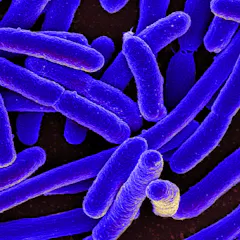
The Nobel Prize-winning Luria−Delbrück experiment showed that random mutations in bacteria can allow them to develop resistance by chance.

New research suggests the gut bacteria of red and grey squirrels differ significantly, potentially explaining the decline of the native red and the success of its grey counterpart.

The science of smell is an exciting area of research.

Much like our gut microbes, the community of microbes used to process human waste must be healthy to do the job well. Monitoring the DNA in waste sludge can help us ensure the system stays healthy.

Here’s why a healthy balance of microbes is important for astronauts when they travel to Mars and beyond.
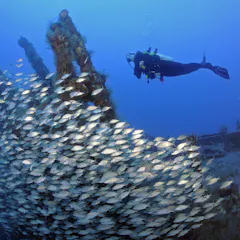
When ships sink, they add artificial structures to the seafloor that can quickly become diverse, ecologically important underwater communities.

With the help of the microbes that once played an essential role in keeping you alive, the building blocks of your body go on to become a part of other living things.
Top contributors
-

Senior Lecturer in Clinical Microbiology, University of Leicester
-
Professor of Planetary Geosciences, The Open University
-
Associate Professor, Department of Entomology; African-American Studies, University of Illinois Urbana-Champaign
-
Doctoral Candidate in Microbiology, University of Oregon
-
Professor of Microbiology and Immunology, Indiana University
-
Senior Lecturer in Biology, Brunel University of London
-
Ecologist and Researcher, Flinders University
-
Associate Professor of Gastroenterology, School of Medicine, University of Washington
-
Professor emeritus, Colorado State University
-
Assistant Professor of Animal and Veterinary Sciences, University of Maine
-
Professor of Microbiology, Swinburne University of Technology
-
Professor of Biochemistry and Biomedical Sciences, McMaster University
-
Professor of microbiology, Manchester Metropolitan University
-
Postdoctoral Research Fellow, Washington State University
-
Senior Lecturer in Pharmaceutical Sciences, RMIT University