

A stable ecosystem of organic matter is the key to improving agricultural yields in the surrounding farmland and fighting climate change.
Articles on Microbes
Displaying 101 - 120 of 221 articles
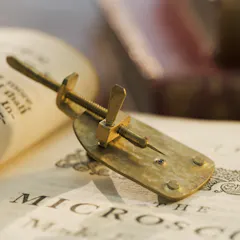
Van Leeuwenhoek, who discovered bacteria, is one of the most important figures in the history of medicine, laying the groundwork for today’s understanding of infectious disease.
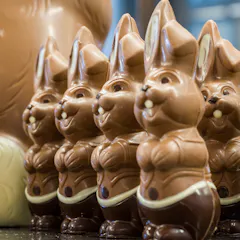
Sauerkraut, sourdough, beer…and chocolate? They’re all fermented foods that rely on microbes of various types to transform the flavor of their raw ingredients into something totally different.
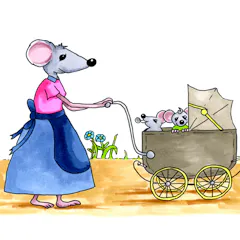
Microbes can alter the minds of mouse mothers and disrupt their natural instinct to nurture their young.
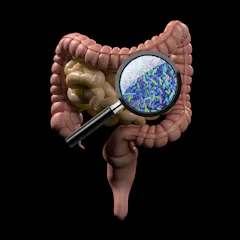
Whether or not you respond to a certain medicine or therapy doesn’t just depend on you. The microbes in your gut play a role in the success or failure of various drugs, including cancer therapies.
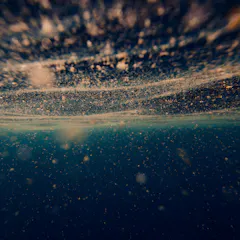
There are more viruses in the ocean than stars in the Milky Way – and they’re fundamental to Earth’s biodiversity.

The microbes in your gut influence how your immune system reacts to bacteria and viruses. A severe immune reaction is deadly; a small one lets the virus win. The right balance may depend on your diet.
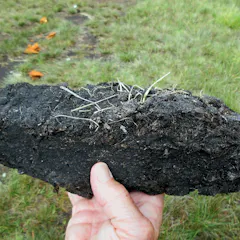
Peat beds around the world hold huge quantities of carbon and keep it from warming the planet. But rising temperatures and over-use could turn them from a brake on climate change into an accelerant.

If so, then the possibility of planetary super-heating in future has just become much more real.

Nutrients and energy contained within dead animals are repurposed and repackaged into living, breathing insects.
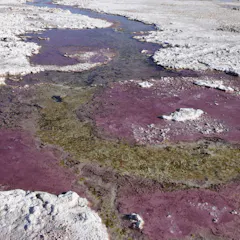
How ancient microbes survived in a world without oxygen has been a mystery. Scientists discovered a living microbial mat that uses arsenic instead of oxygen for photosynthesis and respiration.
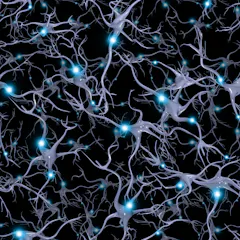
Microbes in the gut aren’t just important for digesting your food. In pregnant women, these gut microbes are producing chemicals that are essential for proper brain development of the fetus.
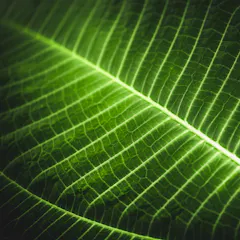
Researchers are figuring out how plants respond to the presence of human cadavers. The findings could prove important for discovering the locations of murder victims or mass graves.
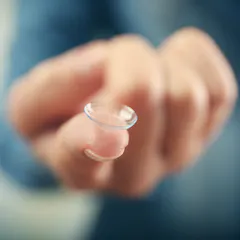
Simple hygiene goes a long way to avoid serious eye infections.

Don’t think you’re alone when working from home - the typical office desk has more than 10 million bacteria. Here’s how to stop your WFH setup leaving you needing sick leave.
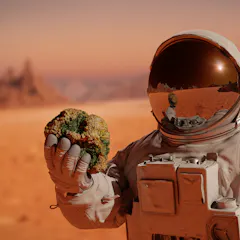
Bacteria can become more deadly and antibiotic-resilient in space. And while more research is needed to figure out how severe the risks are, they could be catastrophic.

The atmosphere has a microbiome of bacteria, viruses and fungi that travel around the world on highways in the sky.
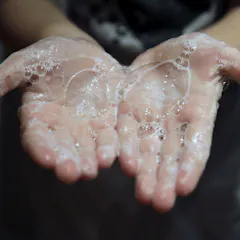
Finally, an answer to a long-bubbling question: What works best – bar or liquid soap?
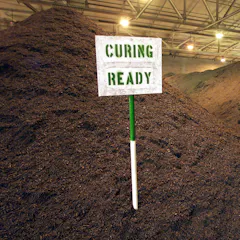
Turning food scraps and yard trimmings into compost improves soil, making it easier for people to grow their own food. City composting programs spread those benefits more widely.

Research has yet to support the theory that cash can spread the coronavirus.
Top contributors
-

Senior Lecturer in Clinical Microbiology, University of Leicester
-
Professor of Planetary Geosciences, The Open University
-
Associate Professor, Department of Entomology; African-American Studies, University of Illinois Urbana-Champaign
-
Doctoral Candidate in Microbiology, University of Oregon
-
Professor of Microbiology and Immunology, Indiana University
-
Senior Lecturer in Biology, Brunel University of London
-
Ecologist and Researcher, Flinders University
-
Associate Professor of Gastroenterology, School of Medicine, University of Washington
-
Professor emeritus, Colorado State University
-
Assistant Professor of Animal and Veterinary Sciences, University of Maine
-
Professor of Microbiology, Swinburne University of Technology
-
Professor of Biochemistry and Biomedical Sciences, McMaster University
-
Professor of microbiology, Manchester Metropolitan University
-
Postdoctoral Research Fellow, Washington State University
-
Senior Lecturer in Pharmaceutical Sciences, RMIT University