
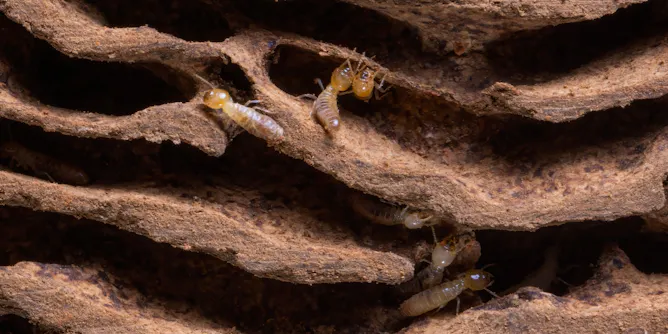
Termites are about to experience a significant global expansion in their prime habitat, thanks to climate change. Here’s what that means for deadwood.
Articles on Microbes
Displaying 81 - 100 of 221 articles
Antimicrobial resistance is a growing threat. Here’s how resistant genes sneak into human guts via wastewater, food and other routes.
People wouldn’t last long without the countless other species we depend on for survival.

Listeria causes serious illness and food recalls nearly every year.
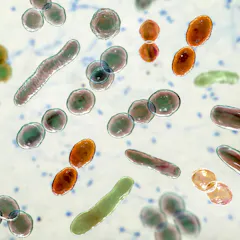
The types of microbes residing in your gut can affect your mental and physical health. Home microbiome tests promise to help consumers improve the composition of their gut microbes.
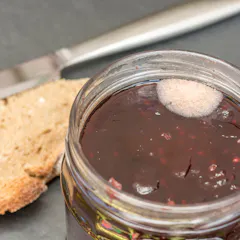
Current expiration date system leads to confused consumers and wasted food.

Plastic is made from oil and natural gas, which started out as fossilized plant and animal material. But buried deep underground for millions of years, those materials changed in important ways.

Toe jam was mentioned in a song by The Beatles. Maybe they knew a thing or two about foot hygiene.
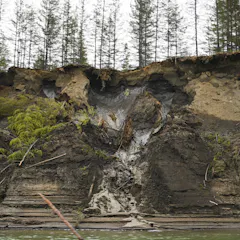
Ground is collapsing and massive lakes are draining in a matter of days. Thawing permafrost is having profound effects on the region and its infrastructure.
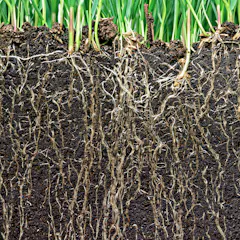
Plants communicate with the fungi on their roots, but the effects on the ecosystem of deliberately adding fungi as a fertilizer are unknown — and might be harmful.
In ancient Earth’s atmosphere, microbes called acetogens were able to recycle carbon dioxide using chemical energy sources such as hydrogen.
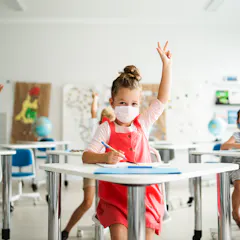
Air-ventilation upgrades have been badly needed in U.S. classrooms since long before the pandemic. Low-tech filtration systems that cost about the same as a textbook per student can make a big difference.

We can fine-tune bacteria using algorithms to help them produce the things we need, from antibiotics to methane.
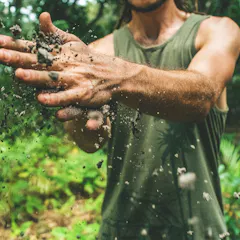
A fear of microbes, like germs, could be harming human health.
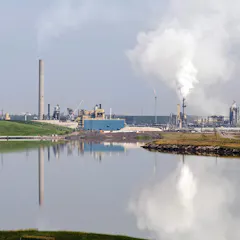
Solutions to some of the globe’s most daunting environmental challenges may be closer than you think. Scientists are harnessing nature to clean up toxic chemicals and mining waste.

With an average shelf life of nine years, the coming tsunami of waste EV batteries needs action now.
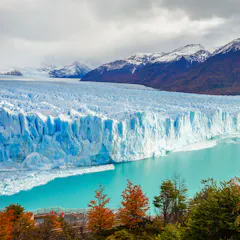
Glaciers aren’t sterile wastelands – they’re chock-full of microscopic life.

Invisible to the eye, the microbial life in the air around us can vary depending on our environment.
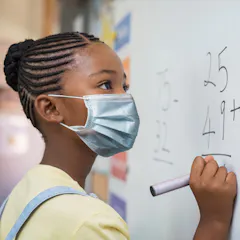
Some face masks now come with a coating of graphene, a substance that can kill microbes. Is it safe to breathe it in?
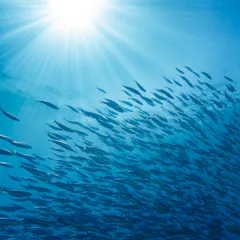
Scientists are starting to use genetic information from bacteria to measure the health of vast areas of the ocean.
Top contributors
-

Senior Lecturer in Clinical Microbiology, University of Leicester
-
Professor of Planetary Geosciences, The Open University
-
Associate Professor, Department of Entomology; African-American Studies, University of Illinois Urbana-Champaign
-
Doctoral Candidate in Microbiology, University of Oregon
-
Professor of Microbiology and Immunology, Indiana University
-
Senior Lecturer in Biology, Brunel University of London
-
Ecologist and Researcher, Flinders University
-
Associate Professor of Gastroenterology, School of Medicine, University of Washington
-
Professor emeritus, Colorado State University
-
Assistant Professor of Animal and Veterinary Sciences, University of Maine
-
Professor of Microbiology, Swinburne University of Technology
-
Professor of Biochemistry and Biomedical Sciences, McMaster University
-
Professor of microbiology, Manchester Metropolitan University
-
Postdoctoral Research Fellow, Washington State University
-
Senior Lecturer in Pharmaceutical Sciences, RMIT University