
The microbiome and its signature smells are crucial for most organisms, whether human, insect or plant. The silent signals sent by the microbiome are essential communications that influence behaviour.
Articles on Microbes
Displaying 61 - 80 of 221 articles
Bacteria and lipids get a bad rap for causing breakouts and oily skin. But both play an essential role in helping your skin barrier stay strong against pathogens and insults from the environment.
With more than one species for every person on the planet, soils are the most diverse habitat on Earth.
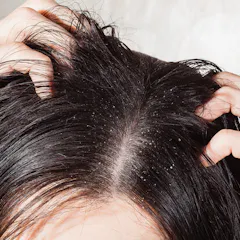
We’ve known about dandruff for thousands of years. Here’s how to get rid of yours.
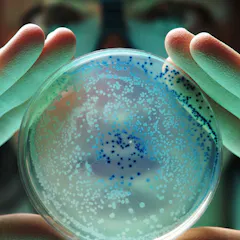
Researchers uncovered the foundations of biology by using E. coli as a model organism. But over-reliance on this microbe can lead to knowledge blind spots with implications for antibiotic resistance.
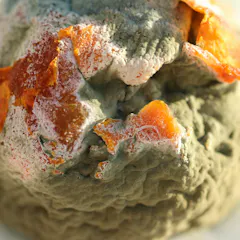
Usually, mould spores are invisible – but give them a niche to exploit and you’ll get all kinds of colours on the things in your home.
You can squash small bugs by stepping on them, but can you crush even tinier microorganisms like viruses and bacteria? It turns out that you’d need to apply a lot of pressure.

To fully understand the extent of climate-related dangers the Arctic – and our planet – is facing, we must focus on organisms too small to be seen with the naked eye.
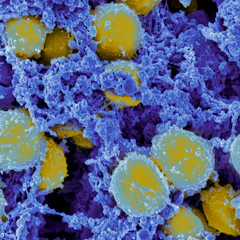
Drug-resistant microbes are a serious threat for future pandemics, but the new draft of the WHO’s international pandemic agreement may not include provisions for antimicrobial resistance.
Biological and chemical substances are the most common food contaminants and account for over 200 food-borne illnesses.
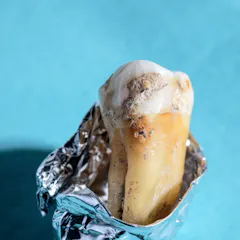
Ancient microbes likely produced natural products their descendants today do not. Tapping into this lost chemical diversity could offer a potential source of new drugs.

Your mobile phone is 10 times dirtier than a toilet seat. Here’s what to do about it.
Ants are skilled surgeons, bacteria have their own internet, and scientists think sperm whales have names.

As well as the joy that comes with swimming, there can also be some dirty risks.
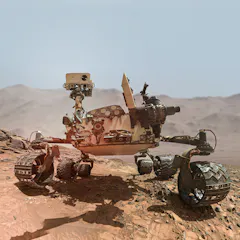
Our Mars rovers might not be sensitive enough to detect signs of life. But lessons from Antarctica might make future missions more successful.

Fossil evidence of how the earliest life on Earth came to be is hard to come by. But scientists have come up with a few theories based on the microbes, viruses and prions existing today.
Some scientists believe that the placenta and amniotic fluid that surrounds a foetus have their own microbiome. A new review refutes this.
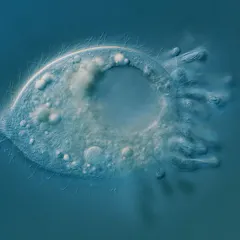
Microbes are so tiny humans can’t see them without special equipment. But the discovery of 20 new species will help scientists map the evolutionary tree of life.
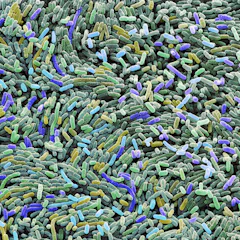
The walls of your house could someday be built with living bacteria. Synthetic biologists are engineering microbes into living materials that are cheap and sustainable.

Don’t let microbes and insects turn your Halloween masterpiece into a horror show before the big night.
Top contributors
-

Senior Lecturer in Clinical Microbiology, University of Leicester
-
Professor of Planetary Geosciences, The Open University
-
Associate Professor, Department of Entomology; African-American Studies, University of Illinois Urbana-Champaign
-
Doctoral Candidate in Microbiology, University of Oregon
-
Professor of Microbiology and Immunology, Indiana University
-
Senior Lecturer in Biology, Brunel University of London
-
Ecologist and Researcher, Flinders University
-
Associate Professor of Gastroenterology, School of Medicine, University of Washington
-
Professor emeritus, Colorado State University
-
Assistant Professor of Animal and Veterinary Sciences, University of Maine
-
Professor of Microbiology, Swinburne University of Technology
-
Professor of Biochemistry and Biomedical Sciences, McMaster University
-
Professor of microbiology, Manchester Metropolitan University
-
Postdoctoral Research Fellow, Washington State University
-
Senior Lecturer in Pharmaceutical Sciences, RMIT University