
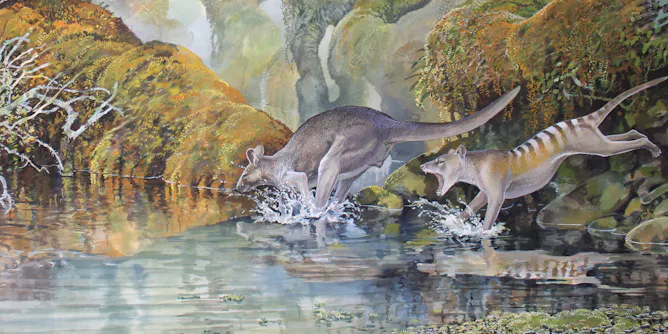
A peculiar giant kangaroo that once lived in New Guinea would have descended from a much more ancient form that migrated from Australia, between 5 million and 8 million years ago.
Articles on Megafauna
Displaying 21 - 40 of 78 articles
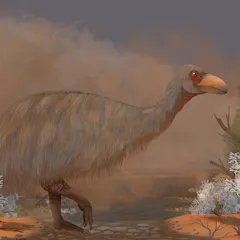
Genyornis newtoni was one of the biggest birds ever to walk the earth. And new research shows its mysterious extinction may have come amid a bout of widespread bone disease as its lake home dried out.

The famous deaths of moas and dodos has fed a narrative in which humans are agents of extinction for island-dwelling animals. But research suggests this only recently became the case.
Incredibly, once the wells dried up some became nurseries for the germination and establishment of wetland trees.

In Gabon’s Lopé National Park, between 1986 and 2018, there’s been a massive collapse in tree fruiting events.
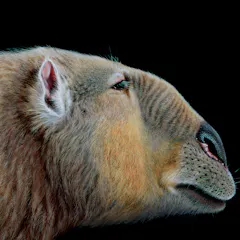
A new study shows Palorchestes had unique elbows unlike any other mammal, which may have contributed to its extinction.
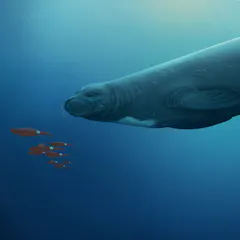
This newly discovered ancient monk seal is challenging previous theories about how and where monachine seals evolved. It’s the biggest breakthrough in seal evolution research in about 70 years.
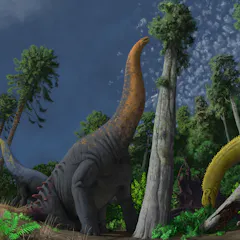
Tooth fossils from NSW have confirmed sauropods weren’t exclusive to Queensland. They’re also providing a first look at how these colossal dinosaurs fed from Australia’s land.
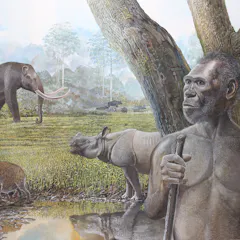
Several theories have suggested either humans, climate change or both drove megafauna extinctions in Southeast Asia. Our newest work suggests otherwise.
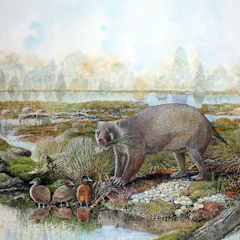
The extinct Mukupirna - which translates to ‘big bones’ - is estimated to have been more than four times larger than any living wombat.
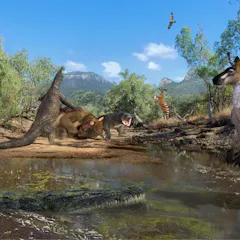
These megafauna were the largest land animals to live in Australia since the time of the dinosaurs.
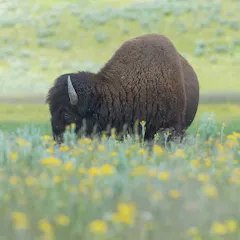
The historical record is full of surprises – and it could encourage conservationists to think more creatively.
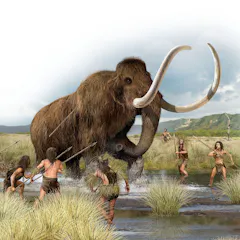
Overhunting of megafauna such as mammoths may have force us to take up farming, ultimately leading to modern society
A drying climate and the arrival of people together finished off Australia’s megafauna.
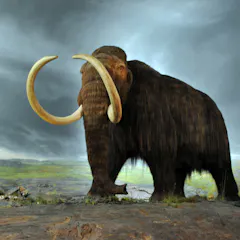
After the woolly mammoth and other megafauna became extinct, surviving animals mingled less. This has big implications for modern conservation.

Europe is getting wilder as more people live in cities, but Naya’s death shows this trend may have limits.
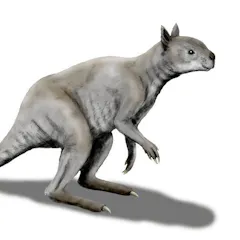
A new analysis of an extinct giant kangaroo skull suggests it was adapted to eat tough, woody material - a feeding style not found in any modern marsupials.
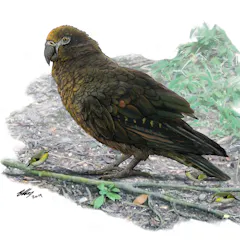
The newly discovered Heracles inexpectatus stood nearly a metre tall. And its fossil bones sat undiscovered on a museum shelf for more than a decade before its hefty status was finally appreciated.
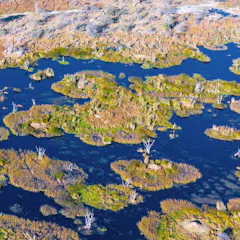
Our work represents the first assessment of what social and economic factors are connected to environmental degradation across the entire African continent.
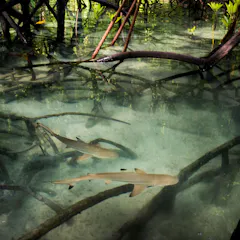
Far more megafauna species use coastal wetlands than we thought. And it affects the way we need to address the extinction crisis.
Top contributors
-

Associate Professor in Vertebrate Palaeontology, Flinders University
-
Professor, Palaeontology, Griffith University
-
Professor of Wildlife Conservation, University of Tasmania
-
Lecturer in Palaeontology, The University of Queensland
-
Postdoctoral Research Fellow at Flinders University Palaeontology Laboratory, Flinders University
-
Distinguished Professor, Charles Sturt University
-
Associate Professor in Earth Sciences, University of Adelaide, University of Wollongong
-
Professor, Flinders University
-
Professor, Earth and Sustainability Science Research Centre, UNSW
-
Matthew Flinders Professor of Global Ecology and Node Leader in the ARC Centre of Excellence for Indigenous and Environmental Histories and Futures, Flinders University
-
Distinguished Professor, School of Culture, History & Language, Australian National University
-
Researcher, Flinders University
-
Pro Vice-Chancellor of Research, University of Technology Sydney
-
Senior Lecturer in Ecology and Biogeography, Node & Stream Leader for ARC Centre of Excellence for Indigenous and Environmental Histories and Futures, University of Technology Sydney; Australian Museum
-
Senior Lecturer, School of Biological Sciences, Adelaide University