
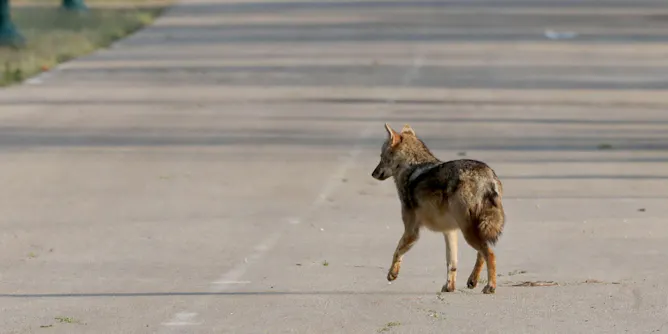
Researchers tracked 2,300 wild mammals during the strict 2020 lockdowns and found they moved 73% further than in the previous year.
Articles on Mammals
Displaying 61 - 80 of 207 articles

Nimbadon lived 15 million years ago, in forests with flesh-eating kangaroos and tree-climbing crocodiles. Our first look inside their fossilised bones has revealed how these giants grew.

Africa’s mammals are a global treasure that must be protected.

All mammals who get nutrients from their parent via a placenta before birth are left with a belly button. It’s a visual reminder of this original connection.
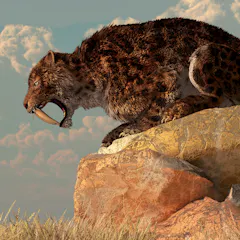
Researchers are analyzing the fossil cranium of a Smilodon fatalis that lived more than 13,000 years ago to learn more about the lifestyle of this iconic big cat.
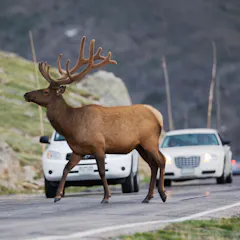
Exactly how animal populations are affected by roadkill has remained unclear – until now.
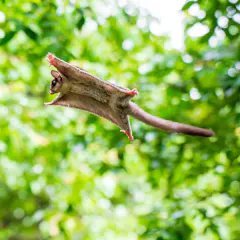
Mammals have evolved flight more often than birds. By studying the genes of the sugar glider, biologists have found a ‘molecular toolkit’ for flight membranes that’s been in us all along.

Avian influenza viruses have evolved to infect birds, but the current H5N1 outbreak is also infecting a wide range of mammals. This suggests that it could mutate into forms that threaten humans.
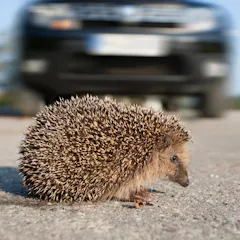
Research on Denmark’s hedgehogs offers insight into their cause of death – and how to help them.
By learning what parts of the brain are crucial for imagination to work, neuroscientists can look back over hundreds of millions of years of evolution to figure out when it first emerged.
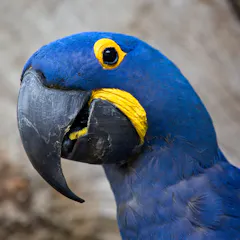
In birds, big brains aren’t associated with living in large social groups – instead, they’re linked to long stints of parental feeding.

Huge swathes of Africa remain unstudied and their species undocumented.
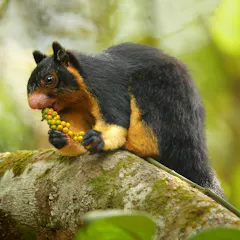
Rodents are the most numerous – and least studied – of all Earth’s mammals.
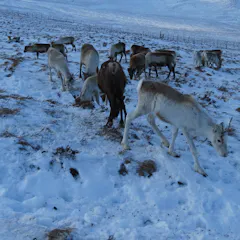
In winter, light in the northern latitudes is dim and very blue compared to summer light. Reindeer eyes have evolved to be better suited at seeing in this unique environment.
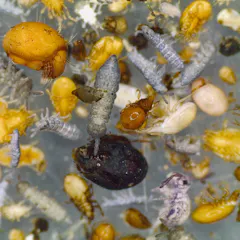
New research shows rewilding with invertebrates – insects, worms, spiders and the like – can go a long way in bringing our degraded landscapes back to life.
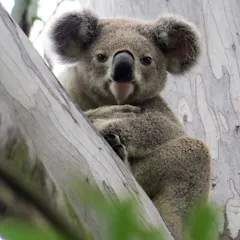
Koalas are often regarded as cute but dumb: slow, sleepy and incapable of change. But they have been known to approach humans for help. And maybe they have been set free by their remarkable diet.
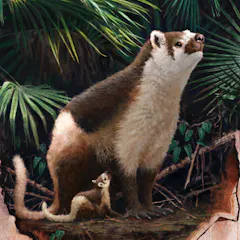
Palaeontologists studied Pantolambda fossils in forensic detail to learn about its lifestyle.

Warm-bloodedness is the key to what makes mammals what they are today. That’s why working out when it emerged in mammal ancestors matters.
If you’re hot, so are your four-legged neighbours.

Garden surveys reveal what makes a house a home for Britain’s favourite mammal.
Top contributors
-

Associate professor in Vertebrate Palaeontology, University of the Witwatersrand
-
Professor, University of Sydney
-
Professor of Conservation Biology, Charles Darwin University
-
Honorary Research Fellow, University of Sydney
-
Distinguished Professor of Ecology, Fenner School of Environment and Society, Australian National University
-
Associate Professor in Ecology and Environmental Science, Queensland University of Technology
-
Professor in Ecology, Charles Sturt University
-
Professor, School of Biological Sciences, Monash University
-
Professor of Conservation Biology, UNSW
-
The University of Melbourne
-
Lecturer, Macquarie University
-
Adjunct Lecturer/ Ecologist, University of New England
-
Distinguished Research Professor and Australian Laureate, James Cook University
-
Research Associate in Palaeontology, University of Bristol
-
Professor of Comparative and Evolutionary Neurobiology, University of the Witwatersrand