
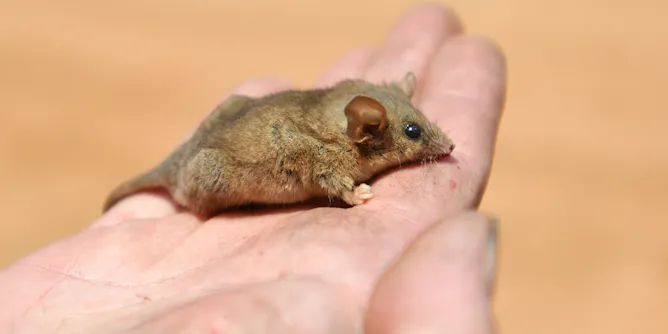
The new paper also found some mammals are suffering due to a lack of fire.
Articles on Mammals
Displaying 81 - 100 of 207 articles
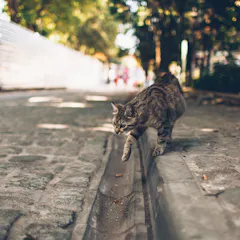
A new study shows that when free-ranging cats are more than a few blocks from forested areas in cities, such as parks, they’re more likely to prey on rats than on native wildlife.

Roughly 90% of species on Earth are believed to be undiscovered. Whether researchers will be able to identify them before they go extinct is unclear.
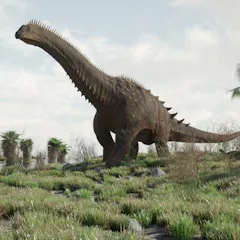
Thanks to our new technique using fossilised tracks, we have been able to learn more about the locomotion of the largest creatures ever to have roamed this planet.

John Woinarksi’s copy of this 1935 classic of environmental writing is older than him, mostly broken, much read and priceless.
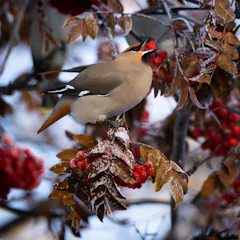
Forests around the world will need to shift their ranges to adapt to climate change. But many trees and plants rely on animals to spread their seeds widely, and those partners are declining.
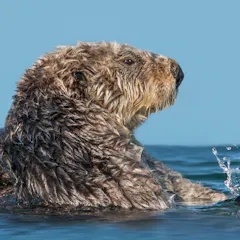
New research finds that ‘leaky mitochondria’ help keep sea otters warm.
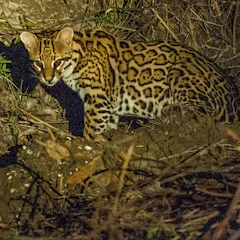
There are so few wild ocelots in the US that the cats are becoming inbred, with a bad prognosis for their ultimate survival. But researchers are perfecting ways to get new genes into the population.
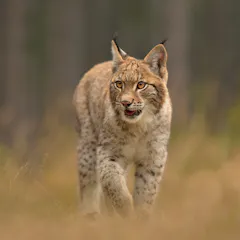
A new study suggests lynxes were in Britain as recently as the 18th century.
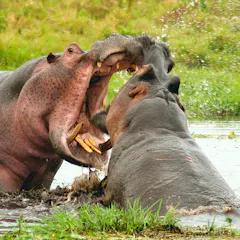
Data collected from thousands of hippos helped show that while males are only slightly bigger than females, they have much larger tusks.
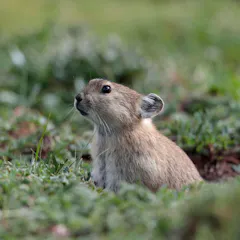
The electric Pokemon’s real-life muse is charged with degrading the vast meadows of the Tibetan Plateau.
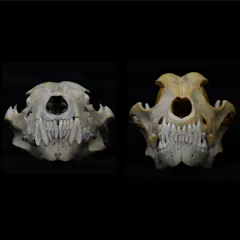
The researchers found tooth shape varied, depending on the types of food a carnivore regularly bites into – in much the same way we choose a kitchen knife depending on what we’re cutting up.

‘Shape shifting’ animals are evolving to deal with heat – by changing the size of their ears, tails, bills and other appendages.
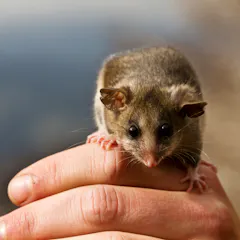
One mammal, the long-tailed planigale, can weigh less than a 10-cent coin. But it’s ferocious, bringing down far larger prey with persistent, savage biting to the head and neck
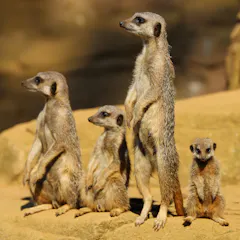
Tracking species over their lifetimes can reveal their climate adaptation secrets.
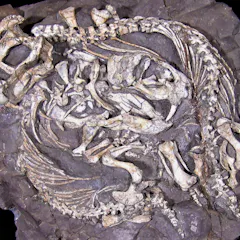
These new finds indicate that Diictodon was burrowing and giving some parental care to its young. This was long thought to be unique to mammals.

Scientists are experimenting with using dogs to sniff out people infected with COVID-19. But dogs aren’t the only animals with a nose for disease.
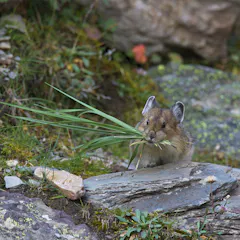
Pikas – small cousins of rabbits – live mainly in the mountainous US west. They’ve been called a climate change poster species, but they’re more adaptable than many people think.
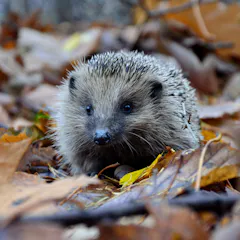
For every kilometre of road in Europe, you’re likely to find one dead hedgehog.
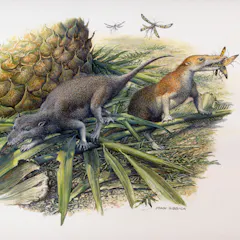
New study used X-rays of the teeth of early mammals’ to show they were more like cold blooded reptiles.
Top contributors
-

Associate professor in Vertebrate Palaeontology, University of the Witwatersrand
-
Professor, University of Sydney
-
Professor of Conservation Biology, Charles Darwin University
-
Honorary Research Fellow, University of Sydney
-
Distinguished Professor of Ecology, Fenner School of Environment and Society, Australian National University
-
Associate Professor in Ecology and Environmental Science, Queensland University of Technology
-
Professor in Ecology, Charles Sturt University
-
Professor, School of Biological Sciences, Monash University
-
Professor of Conservation Biology, UNSW
-
The University of Melbourne
-
Lecturer, Macquarie University
-
Adjunct Lecturer/ Ecologist, University of New England
-
Distinguished Research Professor and Australian Laureate, James Cook University
-
Research Associate in Palaeontology, University of Bristol
-
Professor of Comparative and Evolutionary Neurobiology, University of the Witwatersrand