
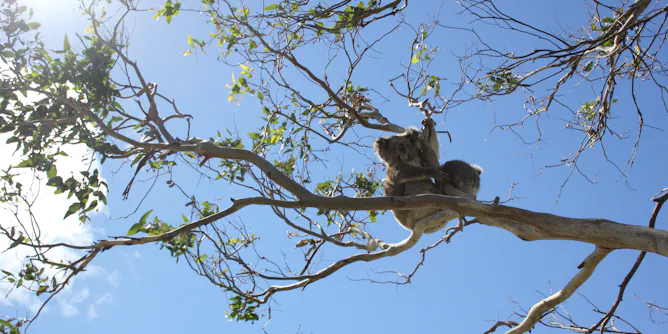
The koala genome, published today, gives us new and valuable information to aid conservation of this marsupial. It identifies special genes that evolved to adapt the koala to its unique lifestyle.
Articles on Mammals
Displaying 121 - 140 of 207 articles

‘Molecular fossils’ in the DNA of elephants could help explain why their testicles are inside their bodies.
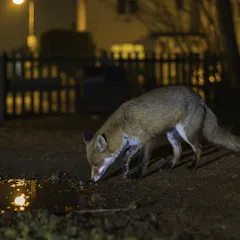
It’s becoming harder and harder for animals to find human-free spaces on the planet. New research suggests that to try to avoid people, mammals are shifting activity from the day to the nighttime.
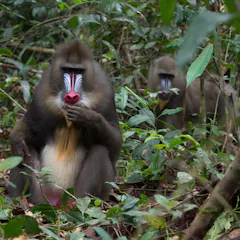
Camera traps in the Batéké Plateau National Park in Gabon are showing some interesting finds.

Mating in southern African pythons is a serious business, and is rarely just a one-night stand
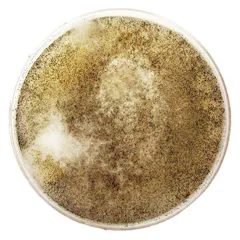
Understanding the sex lives of fungi can help in finding answers about disease control.
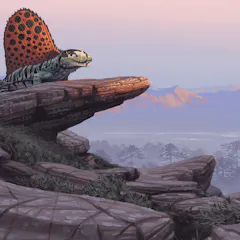
A drying climate caused a mass extinction among plants, but paved the way for the ancestors of modern reptiles, mammals, and birds.
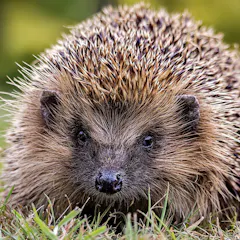
Worldwide, hedgehogs are disappearing at the same rate as tigers.
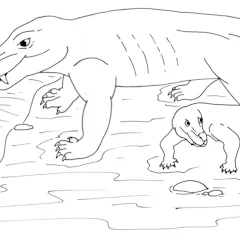
Two fossils found in South Africa provide direct evidence of parental care in extinct pre-mammalian ancestors.
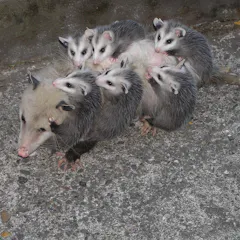
A new evolutionary perspective on what’s been a medical paradox: Why does the body use inflammation to regulate aspects of pregnancy when inflammation is also a big threat to pregnancy?
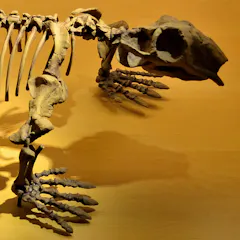
Climate was the main factor that triggered the evolution of warm-bloodedness in mammals and the subsequent mammalian evolutionary success.
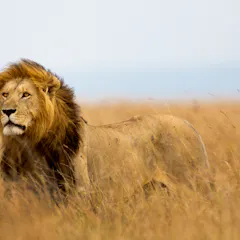
Africa prioritises and makes more of an effort for large mammal conservation than any other region in the world.
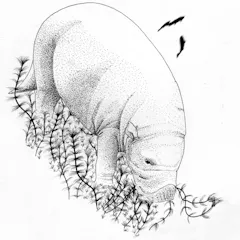
Sea cows (Sirenia) descended from four legged mammals that roamed Africa when this continent was isolated. They belong to the Afrotheria, the ‘African beasts’.
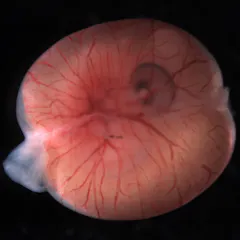
Taking the placenta as a case study, researchers are able to piece together how new organs evolve, by repurposing old tissues and using them to do new jobs.

By understanding sleep across animals we can gain insights into improving the quality of human sleep. It can also help to bolster conservation management strategies for the animals in question.

From birds to bees, the wildlife in your backyard can tell us important things about the health of our environment.

There are plenty of mammals that have adapted to life in water, some more than others. That meant they also had to adapt the way they feed.
Large mammals such as elephants and whales are among the most long-lived of animals, but very tall humans don’t enjoy the same benefits.
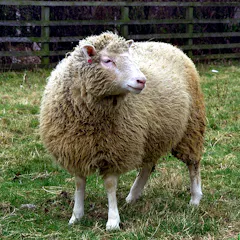
In 1997, scientists announced they’d created a healthy sheep cloned from another ewe’s mammary gland cell. Two decades on, the technique is being refined and applied to new challenges.
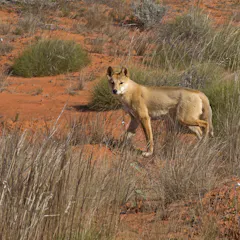
The notion of using dingoes to protect Australia’s wildlife is based on wolves in the US, but research cast doubts on the link.
Top contributors
-

Associate professor in Vertebrate Palaeontology, University of the Witwatersrand
-
Professor, University of Sydney
-
Professor of Conservation Biology, Charles Darwin University
-
Honorary Research Fellow, University of Sydney
-
Distinguished Professor of Ecology, Fenner School of Environment and Society, Australian National University
-
Associate Professor in Ecology and Environmental Science, Queensland University of Technology
-
Professor in Ecology, Charles Sturt University
-
Professor, School of Biological Sciences, Monash University
-
Professor of Conservation Biology, UNSW
-
The University of Melbourne
-
Lecturer, Macquarie University
-
Adjunct Lecturer/ Ecologist, University of New England
-
Distinguished Research Professor and Australian Laureate, James Cook University
-
Research Associate in Palaeontology, University of Bristol
-
Professor of Comparative and Evolutionary Neurobiology, University of the Witwatersrand