
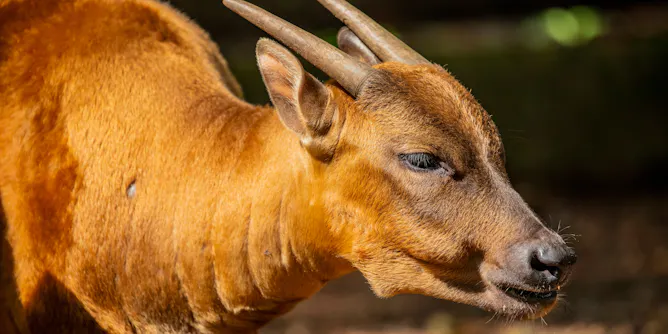
Research genomic data shows that small island animal populations are more resilient than we thought.
Articles on Mammals
Displaying 21 - 40 of 207 articles
We may have complex brains but evolution hasn’t dealt us the best hand when it comes to genetics.

Human beings don’t have a thick coat of fur like many other mammals do. Scientists think it has to do with something else that comes out of skin: sweat.

Knowing what an animal eats can help biologists find it – especially when a species is as elusive as this one.

Much of the Grampians National Park (Gariwerd) has already burned this summer – and the fire is not out yet. What does this mean for the animals that live there?
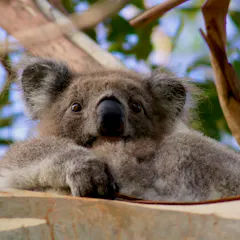
Everyone thought koalas were solitary creatures. But a new paper reveals there is more to the social lives of koalas than previously thought.

The dinosaurs went extinct on Christmas Day.

South Africa urgently needs to adopt a streamlined and interconnected approach to wildlife trade law at the provincial, national and international levels.
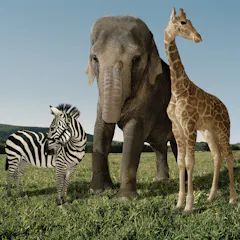
Understanding the differences in growth rate between animals can help clarify the mechanisms behind aging-related diseases and offer ways to treat them.
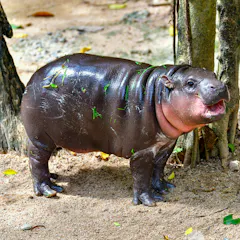
Deforestation has cast Moo Deng’s wild relatives into a hostile landscape of cocoa farms and mines.
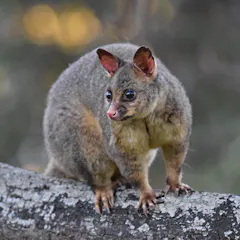
In Australia, people tend to think carnivores lead the clean-up crew after an animal dies. But brushtail possums – thought to be plant-eaters – also eat carcasses.
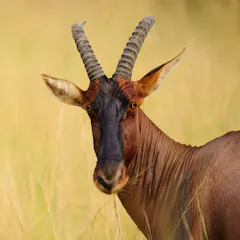
New model can show what’s driving the decline in populations of large mammals.
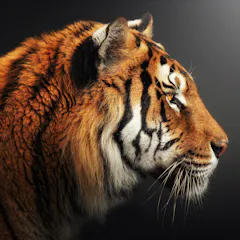
When did fur evolve? You may be surprised to learn there’s a chance it pre-dates the dinosaurs.
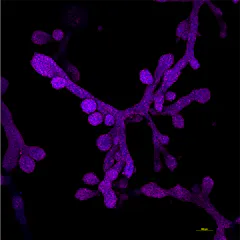
Organoids of mammary glands can help researchers more efficiently study lactation, with findings that could apply to fields ranging from agriculture to medicine.

Many of the endangered mammal species are solitary. Understanding this way of life may help to protect them.

What do you know about your national currency? How about the cash used overseas? We studied wildlife imagery on banknotes around the world. Here’s what we found.
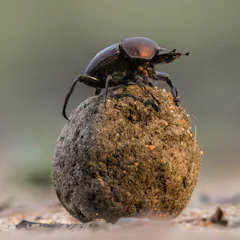
Some of the most caring animal fathers are insects.
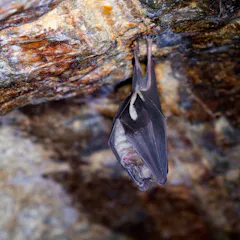
A new algorithm could reduce the amount of time it takes for ecologists to find bat roosts.
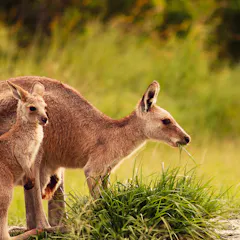
Yearly growth lines and a conveyor belt of molars show how marsupial teeth carry a surprising amount of information.
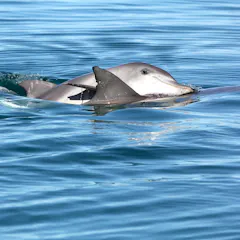
For dolphins, childish play may be useful practice for adult life.
Top contributors
-

Associate professor in Vertebrate Palaeontology, University of the Witwatersrand
-
Professor, University of Sydney
-
Professor of Conservation Biology, Charles Darwin University
-
Honorary Research Fellow, University of Sydney
-
Distinguished Professor of Ecology, Fenner School of Environment and Society, Australian National University
-
Associate Professor in Ecology and Environmental Science, Queensland University of Technology
-
Professor in Ecology, Charles Sturt University
-
Professor, School of Biological Sciences, Monash University
-
Professor of Conservation Biology, UNSW
-
The University of Melbourne
-
Lecturer, Macquarie University
-
Adjunct Lecturer/ Ecologist, University of New England
-
Distinguished Research Professor and Australian Laureate, James Cook University
-
Research Associate in Palaeontology, University of Bristol
-
Professor of Comparative and Evolutionary Neurobiology, University of the Witwatersrand