
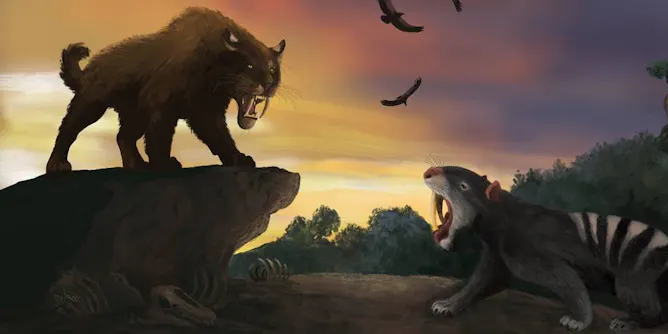
Why were mammals travelling south through newly-formed Panama so much more successful than those heading north?
Articles on Mammals
Displaying 101 - 120 of 207 articles
Life in captivity causes observable harm to the structure and function of large mammals’ brains.
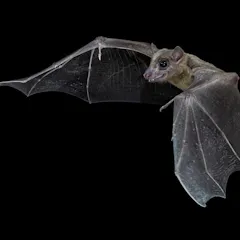
This important discovery demonstrates that cognitive maps are not the exclusive domain of humans and a few other species.
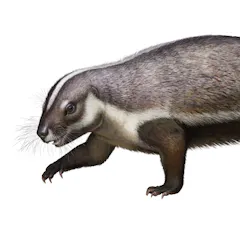
This ancient cat-sized animal lived millions of years ago and had features not found in any of today’s mammals.
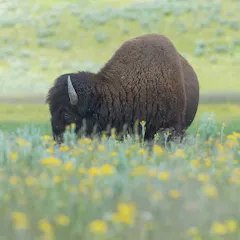
The historical record is full of surprises – and it could encourage conservationists to think more creatively.
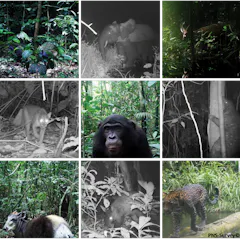
A new method of using camera traps has brought good and bad news for conservationists.
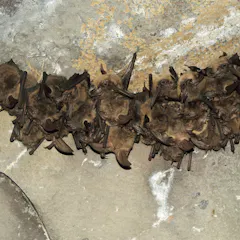
The value that bats provide to humans by pollinating crops and eating insects is far greater than harm from virus transmission – which is mainly caused by human actions.
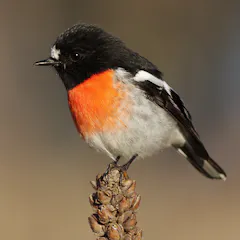
First come the beetles, then the birds: how nature is surviving, and thriving, after a summer of fires.
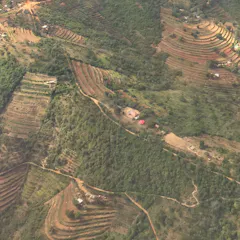
Most of Kenya’s biodiversity needs protecting outside protected areas in human‐dominated landscapes that are undergoing rapid change.

How did whales that feed on tiny prey evolve into the largest creatures on Earth? And why don’t they get even bigger?
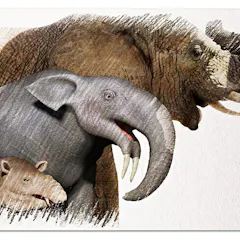
A shift in climate, along with other environmental disruptions and the invasion of competitors and new predators all likely played an important role in reshaping ancient elephants’ brains.
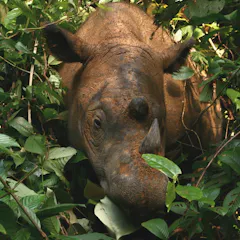
The world mourns the loss of Malaysia’s last male Sumatran rhino. Can anything stop the slide of the species towards extinction?
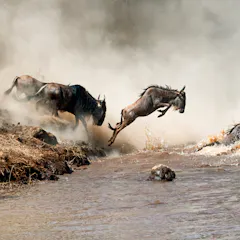
When people build fences across semi-arid landscapes we cut off vital paths to seasonal food and water.
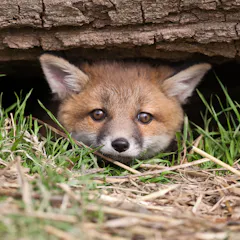
Camera traps allow citizen scientists to peek into the hidden lives of Britain’s mammals.
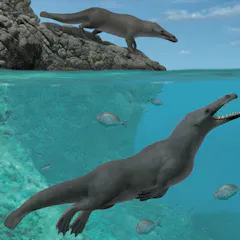
Our flippered friends evolved from small, hooved deer-like creatures more than 50m years ago.

Trackways made by vertebrates during the Pleistocene era, dating back to between 36 000 and 140 000 years helps with research into ancient animals.
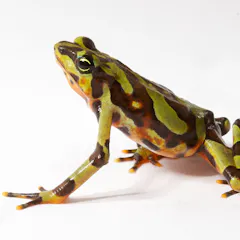
A look at new research published in 2018 on fossa, deepsea corals and tropical frogs developing resistance to a deadly fungus.
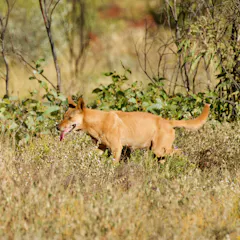
A survey of 32,000 samples of dingo droppings and stomach contents reveal that this predator’s appetite is as wide-ranging as Australia’s landscapes. But medium and large mammals are top of the menu.
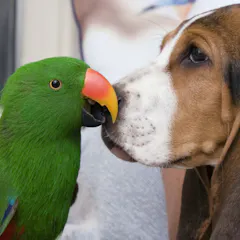
Finding a mate is of course essential to produce the next generation. And feathers and fur play key roles in making sure that happens.
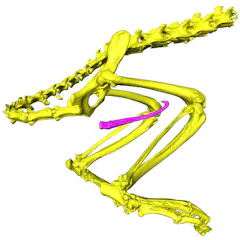
Our study used innovative 3D scanning and engineering-inspired computer simulations to understand the evolution of the penis bone in some mammals.
Top contributors
-

Associate professor in Vertebrate Palaeontology, University of the Witwatersrand
-
Professor, University of Sydney
-
Professor of Conservation Biology, Charles Darwin University
-
Honorary Research Fellow, University of Sydney
-
Distinguished Professor of Ecology, Fenner School of Environment and Society, Australian National University
-
Associate Professor in Ecology and Environmental Science, Queensland University of Technology
-
Professor in Ecology, Charles Sturt University
-
Professor, School of Biological Sciences, Monash University
-
Professor of Conservation Biology, UNSW
-
The University of Melbourne
-
Lecturer, Macquarie University
-
Adjunct Lecturer/ Ecologist, University of New England
-
Distinguished Research Professor and Australian Laureate, James Cook University
-
Research Associate in Palaeontology, University of Bristol
-
Professor of Comparative and Evolutionary Neurobiology, University of the Witwatersrand