
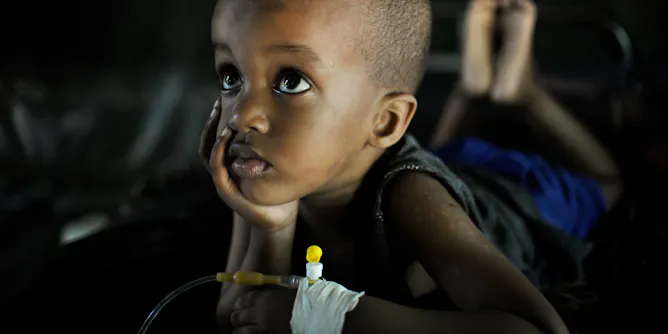
One of the oldest and deadliest diseases, malaria caused more than 627,000 deaths in 2020. A new treatment based on a drug initially developed to fight cancer has shown considerable promise.
Articles on Malaria
Displaying 61 - 80 of 290 articles
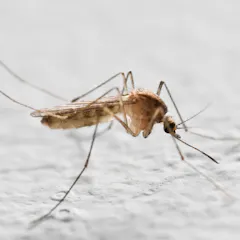
A malaria vaccine called R21 has shown up to 80% efficacy following a booster dose in young children.
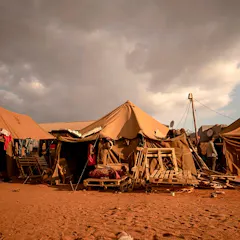
Beitbridge and Musina are two border towns in Zimbabwe and South Africa that see many migrants pass through – with different health needs.
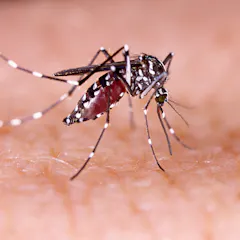
It is estimated that half of world’s population is at risk of being infected by an arbovirus.
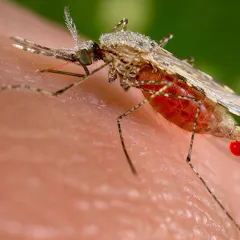
The spread of this urban malaria vector species threatens the gains made against malaria and the achievement of malaria elimination.

Of the 20 million people living with sickle cell disease globally, more than 66% are in sub-Saharan Africa.
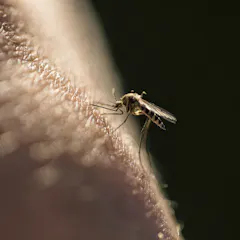
Certain viruses like dengue and Zika can make their hosts smell tastier to mosquitoes. Luckily, vitamin A and its derivatives may help combat these odor changes.

Molecular research is expensive, but worth it because of the burden of disease that it could relieve.
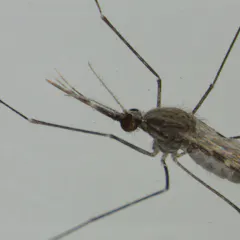
Artificial lights could trick malaria-transmitting mosquito species that feed nocturnally into behaving as if it’s daytime.
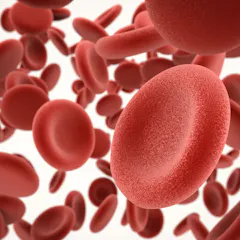
So far, similar medical diagnostics tech has either required time-consuming post processing, or has used parts that prevented it from being integrated into a flat design.
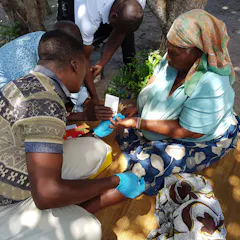
South Africa is one of the few malaria-endemic countries in Africa that did not see a major upsurge in malaria cases caused by COVID-related disruptions.

New research quantifies the link between agricultural practices and malaria transmission in sub-Saharan Africa.
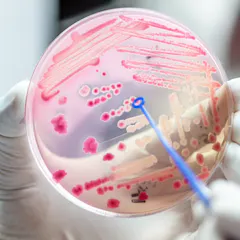
Classical antibiotics that directly kill pathogens are prone to elicit drug-resistance. Targeting host enzymes required for pathogen survival offers can limit the emergence of resistance.
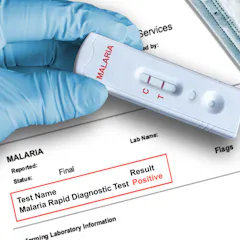
Evidence shows that malaria parasites in some locations have changed their genetic make-up so that they can evade rapid diagnostic tests.

Summer is no fun when mosquitoes are biting. Insect repellent creams, sprays, and lotions are safe and effective but there are alternatives. Here’s what works and what doesn’t!
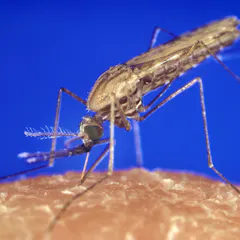
What we call mosquitoes are actually 3500 different types of insects, and they all behave differently.
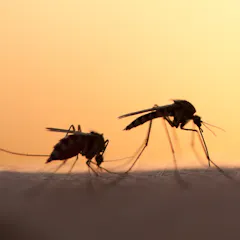
Reproduction in mosquitoes crucially relies on their sense of hearing.

Treatments for uncomplicated malaria remain mostly robust. But the arsenal against severe malaria and deaths is rapidly weakening. New options are urgently required.

Like the coronavirus causing the current pandemic, both the malaria parasite and mosquito vector are developing ways to avoid control.

A combination of herbs in Nigeria should be evaluated further as it offers potential to treat malaria, which is endemic in the country.
Top contributors
-

Principal Medical Scientist and Head of Laboratory for Antimalarial Resistance Monitoring and Malaria Operational Research, National Institute for Communicable Diseases
-
Medical scientist, National Institute for Communicable Diseases
-
Medical Entomologist at the School of Biological Sciences, University of Nairobi
-
UP ISMC: Project Manager and Coordinator, University of Pretoria
-
Director: UP Institute for Sustainable Malaria Control, University of Pretoria
-
Chief Research Officer, Kenya Medical Research Institute
-
Director of the Jenner Institute, University of Oxford
-
Director of Science, Ifakara Health Institute
-
Project Manager, Cambridge Africa, Anglia Ruskin University
-
Professor of Molecular Parasitology and Medicine, St George's, University of London
-
Clinical Associate Professor, School of Medical Science & Sydney Infectious Diseases Institute; Principal Hospital Scientist, University of Sydney
-
Board Certified Internal Medicine Physician and Public Health Scientist, MidMichigan Health, University of Michigan
-
Director and CEO, Burnet Institute
-
Co-Director, Institute of Infection, Chair, Immunology & Vaccinology, Imperial College London
-
Scientist, International Centre of Insect Physiology and Ecology