
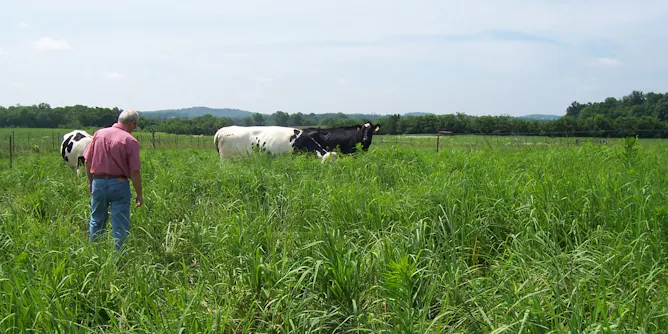
Growing native grasses as cattle forage is an example of working lands conservation – balancing human use of the land with conservation goals.
Articles on Livestock
Displaying 101 - 120 of 226 articles
The answer lies in silvopastoralism, an agricultural method that attempts to mimic natural forest ecosystems with livestock added into the mix.
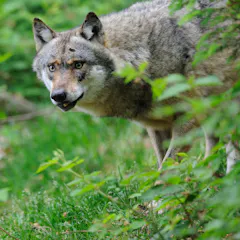
Wolves killing livestock are seizing an opportunity for a meal in a landscape with little natural prey.

The average amount of meat a person ate each year worldwide increased from 29.5kg in 2000 to 34kg in 2019. But there are some surprising differences between nations, including Australia and NZ.
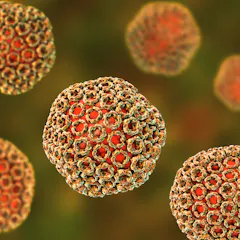
Manufacturing is just one part of the vaccine ecosystem. It’s the health system that delivers vaccines and people must be willing to take them.
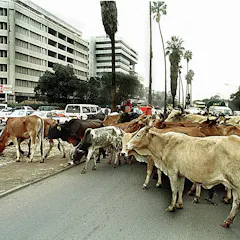
A simplistic ‘all livestock are bad’ narrative is promoted by campaigners, celebrities, philanthropists and policymakers alike. A much more sophisticated debate is needed.

African livestock keepers need help: without proactive interventions, increasing temperatures will reduce meat and milk production.
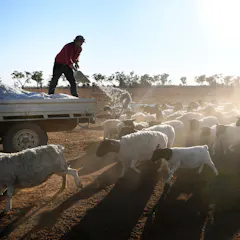
Some Nationals want agriculture carved out of any net-zero target. Cutting emissions from farms won’t be easy, but it’s essential.

A large amount of methane emissions come from natural gas infrastructure and landfills – all problems companies know how to fix.
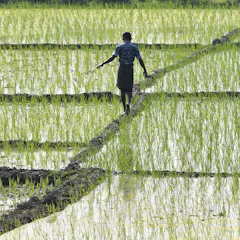
A new study provides a detailed way to calculate the climate impact of food production, which could lead to more sustainable farming policies and methods.
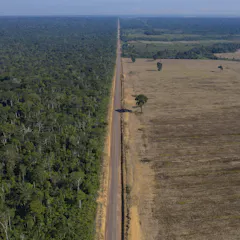
But with new commitments getting made by governments all over the world, we hope to see this progress improve soon.
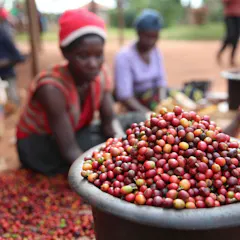
Kenya needs to address spending inefficiencies to attain the goals outlined in the budget.
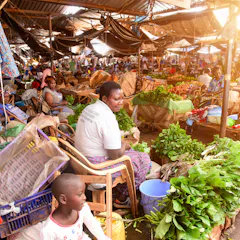
When it comes to food safety solutions, models which enforce bans and regulations don’t fit.

The lead author of a new UN report on methane explains the findings and how oil and gas companies could be making money and saving the climate at the same time.

Nairobi harbours all the ingredients for zoonotic spillover to occur between animals and people, particularly in the most densely populated areas of the city.
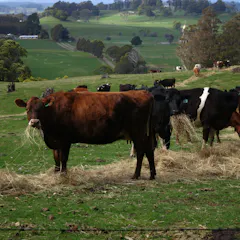
Cow burps and farts are no joke – they’re a big factor in climate change. A new study shows that daily seaweed supplements could tame this major methane source while saving ranchers money.
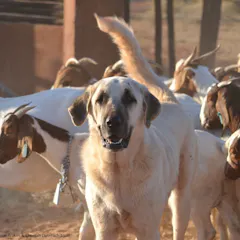
Livestock guarding dogs are considered a non-lethal method for farmers to control wild predators.
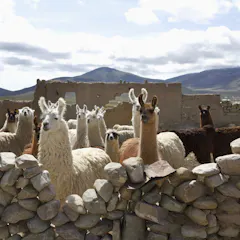
Llama toys, therapy lamas, petting zoo llamas: llamas are hot in the US, surpassing unicorns in popularity, but their relationship with South American people stretches over 7,000 years.
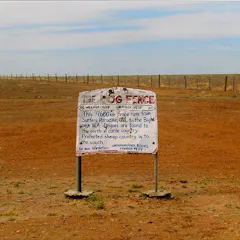
Millions of miles of fences crisscross the Earth’s surface. They divide ecosystems and affect wild species in ways that often are harmful, but are virtually unstudied.
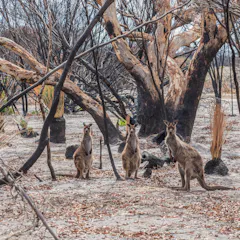
The royal commission made welcome and necessary recommendations around helping wildlife after hazards. But it’s not enough to focus only on response.
Top contributors
-

Specialist, CGIAR
-
Professor of Veterinary Infectious Diseases, University of Liverpool and International Livestock Research Institute, Kenya, University of Liverpool
-
Adjunct Professor in Animal Welfare, Curtin University
-
Professor in Wildlife Ecology and Conservation, School of Life & Environmental Sciences, Deakin University
-
Fellow, Zoological Society of London
-
Senior Fellow, Department of Agricultural Economics, Stellenbosch University
-
Associate professor, UNSW
-
Senior Researcher and Statistician, University of Hohenheim
-
Barrister, Victorian Bar and Honorary Fellow, Melbourne Law School, The University of Melbourne
-
Professor of Sustainability, Curtin University
-
Assistant Professor of Applied Environmental Health , University of Maryland
-
Senior lecturer, UNSW
-
Professor, Dept of Food, Agricultural and Resource Economics, University of Guelph
-
Chief Research Scientist, Food Systems and the Environment, CSIRO
-
Postdoctoral research fellow, The University of Melbourne