
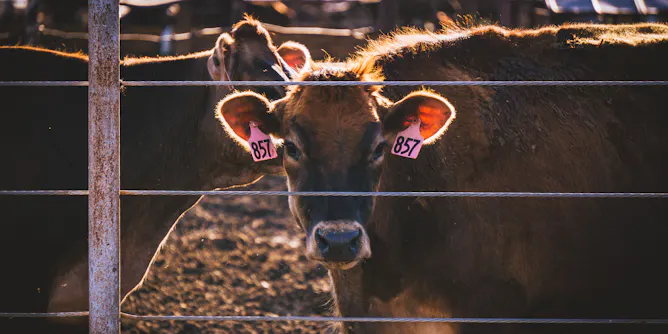
Total meat consumption per capita in Australia has been stable since the 1960s but the type of meat consumed has changed significantly. Chicken and pork both now far outstrip beef, mutton and lamb.
Articles on Livestock
Displaying 181 - 200 of 226 articles
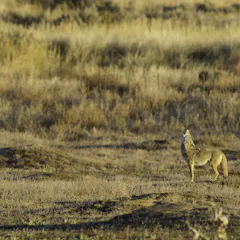
The US Department of Agriculture kills thousands of predators yearly, mainly for attacking livestock. A conservation biologist explains why this policy is ineffective and ecologically harmful.

Elephants, livestock and grass all play an important role in ensuring the survival of the Hirola - the world’s rarest antelope.
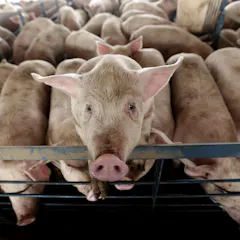
Large livestock farms, known as CAFOs, have polluted air and water in many communities. A recent court decision will force CAFOs to report their air emissions from manure and other sources.
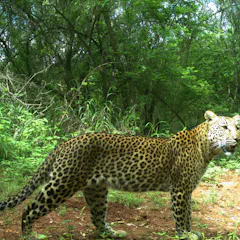
Sound wildlife management is incredibly important, and could enhance the conservation status of large carnivores like the leopard, which has recently been listed as a vulnerable species.
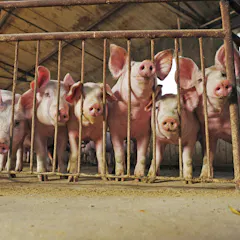
Taxing meat may be unpopular, but an urgent problem calls for an urgent solution.
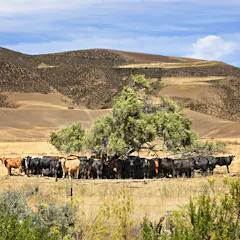
As the climate changes and extreme weather effects become more common, cattle and other livestock are becoming more stressed.
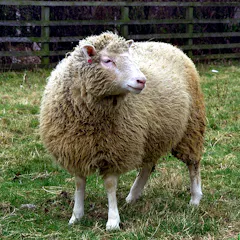
In 1997, scientists announced they’d created a healthy sheep cloned from another ewe’s mammary gland cell. Two decades on, the technique is being refined and applied to new challenges.
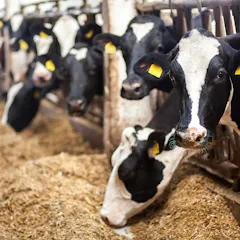
The case of bovine leukemia virus shows how scientists monitor health risks in our food supply and why it’s critical to revisit scientific conclusions when new technologies become available.
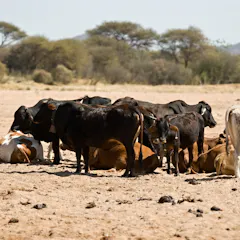
Drought is a massive problem for southern Africa. The region requires adaptation and mitigation strategies if it’s to cope with the changing climate.
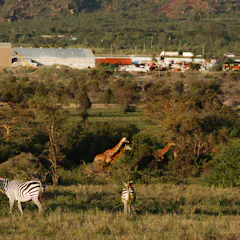
Athi-Kaputiei is close to Nairobi where undeveloped land is exceedingly scarce and expensive. This has made it a powerful magnet for people.
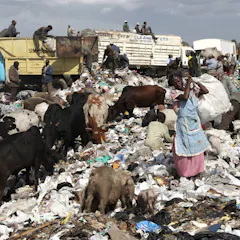
Africa’s cities are melting pots of activity and interaction. There are fears that the continent’s next major modern disease crisis will emerge from them.
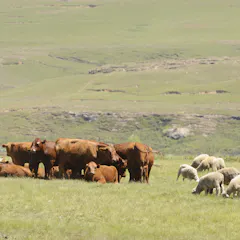
There are many theories on how livestock made its way to South Africa. The answer is quite complex and not as simple as one would think.
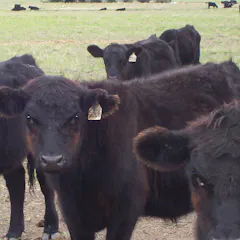
A new SBS doco will spark more questions about if and how we should eat meat.
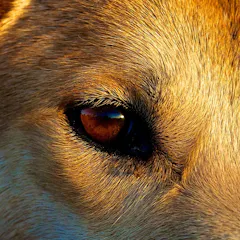
Wild dog attacks on livestock are devastating, but bounties and culling aren’t the answer.
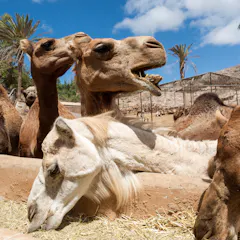
Over the past four decade populations of almost all the common wildlife species have fallen to one third or less of their previous levels
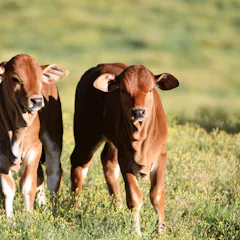
Using well-adapted African cattle to improve the gene pool is more sustainable than quick fix crossbreeding or cow donations
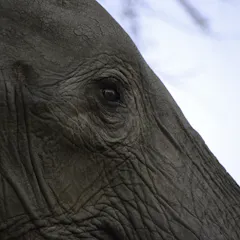
The focus of CITES is not solely on the protection of species. It also promotes controlled trade that is not detrimental to the sustainability of wild species.

The black soldier fly, Hermetia illucens, could help solve global food shortages by feeding livestock. It can even be used to make diesel fuel.
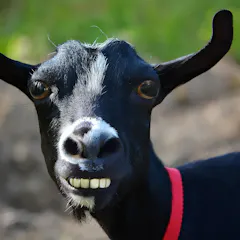
We assume that dogs are smarter than other domesticated animals, but science says otherwise.
Top contributors
-

Specialist, CGIAR
-
Professor of Veterinary Infectious Diseases, University of Liverpool and International Livestock Research Institute, Kenya, University of Liverpool
-
Adjunct Professor in Animal Welfare, Curtin University
-
Professor in Wildlife Ecology and Conservation, School of Life & Environmental Sciences, Deakin University
-
Fellow, Zoological Society of London
-
Senior Fellow, Department of Agricultural Economics, Stellenbosch University
-
Associate professor, UNSW
-
Senior Researcher and Statistician, University of Hohenheim
-
Barrister, Victorian Bar and Honorary Fellow, Melbourne Law School, The University of Melbourne
-
Professor of Sustainability, Curtin University
-
Assistant Professor of Applied Environmental Health , University of Maryland
-
Senior lecturer, UNSW
-
Professor, Dept of Food, Agricultural and Resource Economics, University of Guelph
-
Chief Research Scientist, Food Systems and the Environment, CSIRO
-
Postdoctoral research fellow, The University of Melbourne