
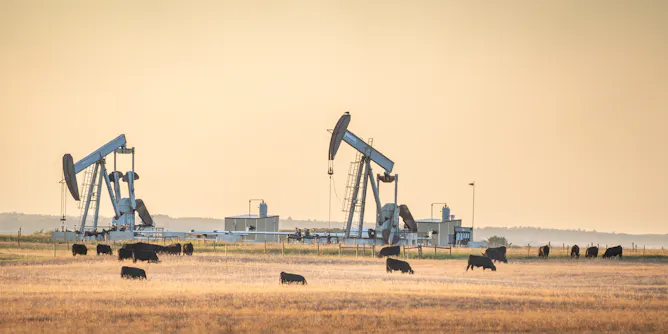
Human activities now account for two-thirds of all methane venting to the atmosphere – and our efforts to staunch the flow are not yet bearing fruit.
Articles on Livestock
Displaying 41 - 60 of 226 articles

Just like fires can contaminate municipal water systems by melting pipes, farms’ and ranches’ water supply systems are at risk. A first-of-its-kind study after the Maui fires explores the harms.
South Africa’s agricultural sector’s potential can only be realized if new government focusses on implementation of existing policies rather than coming up with new ones
The most comprehensive assessment yet of a powerful greenhouse gas shows which countries are driving the increase, and which ones are successfully cutting emissions.
Is the ban really a death knell for the Western Australian sheep industry, as is sometimes argued? Or just an inevitable step in a necessary transition?
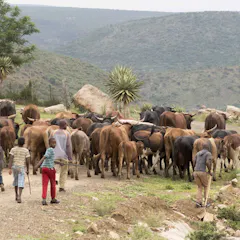
Planting millions of trees in natural grassland is largely ineffective in the battle against global warming because it adds little or no additional carbon storage.
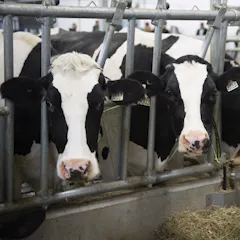
Bird flu in U.S. dairy cows has Canadian public health experts on high alert. With one human case identified in Texas, what is the likelihood of H5N1 influenza moving from birds to mammals to people?

Despite improvements in disaster response management since the Abbotsford floods of 2021, long-term animal welfare remains woefully underappreciated in B.C.
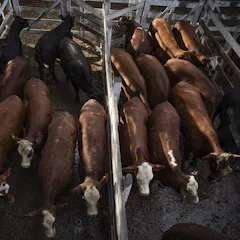
Cattle are major producers of methane, a potent greenhouse gas. But there are methods that can reduce their climate impact – if ranchers have incentive to use them.

Solar development isn’t always good for the land, but pairing it with agriculture can produce multiple benefits.

Pandemics often have animal origins, so prevention is often dominated by health and veterinary sciences. However, social sciences’ role in understanding human behaviour is also crucial to prevention.
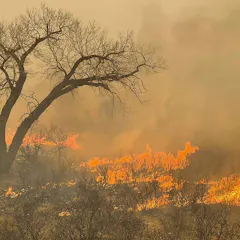
The state’s largest wildfire on record tore across the heart of Texas cattle country, and more days of strong winds were forecast. A rangeland ecologist explains why the flames spread so fast.
A new UN report finds that the true global cost of producing food is $12.7 trillion more than consumers pay at the checkout counter. We pay those uncounted costs in other ways.
Kenya’s smallholder farmers aren’t using antibiotics properly, some are of poor quality and some antibiotics are being found in milk.
A new way of measuring emissions may let the biggest polluters evade their responsibility to tackle climate change.
Vaccinating livestock against common disease not only improves animal welfare, it’s good for the planet too.
Food systems are increasingly disrupted by climate disasters, while also being a major contributor to climate change. World leaders at COP28 vowed to do something about it.
South Africa’s biosecurity breaches signal capacity challenges in farm biosecurity measures and the country’s veterinary and related support services.

Archaeological data alone can’t always help to answer researchers’ questions: multiple lines of evidence are needed.

The intersection of infected livestock from endemic tapeworm regions and dogs scavenging for disposed animal by-products creates the perfect storm to infect vulnerable human populations.
Top contributors
-

Specialist, CGIAR
-
Professor of Veterinary Infectious Diseases, University of Liverpool and International Livestock Research Institute, Kenya, University of Liverpool
-
Adjunct Professor in Animal Welfare, Curtin University
-
Professor in Wildlife Ecology and Conservation, School of Life & Environmental Sciences, Deakin University
-
Fellow, Zoological Society of London
-
Senior Fellow, Department of Agricultural Economics, Stellenbosch University
-
Associate professor, UNSW
-
Senior Researcher and Statistician, University of Hohenheim
-
Barrister, Victorian Bar and Honorary Fellow, Melbourne Law School, The University of Melbourne
-
Professor of Sustainability, Curtin University
-
Assistant Professor of Applied Environmental Health , University of Maryland
-
Senior lecturer, UNSW
-
Professor, Dept of Food, Agricultural and Resource Economics, University of Guelph
-
Chief Research Scientist, Food Systems and the Environment, CSIRO
-
Postdoctoral research fellow, The University of Melbourne