
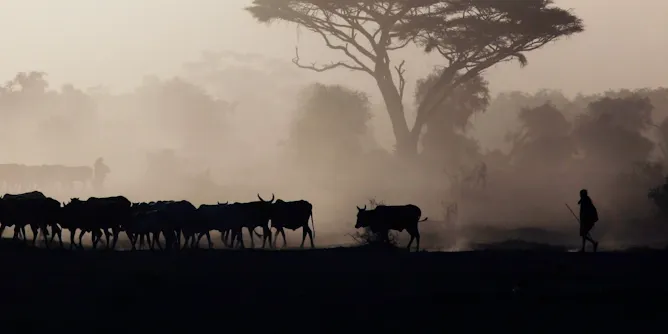
Lung plague attacks cattle causing disease and death, and more than US$60 million in losses annually in Africa. A new vaccine could prevent the disease.
Articles on Livestock
Displaying 161 - 180 of 226 articles
Australian wildlife can generally cope with drought, but they’re not prepared for the combination of people, introduced animals, and no water.
All three of the methods found to be most effective at protecting livestock do not involve killing carnivores.
The cruel link between economics and animal welfare.
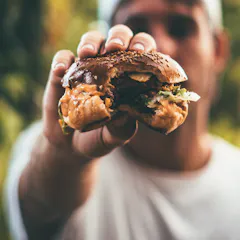
Cultured meat comes from cells in a lab, not muscles in an animal. While regulatory and technological aspects are being worked out, less is known about whether people are up for eating this stuff.
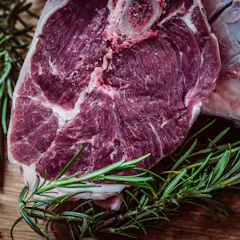
Farming methods may have a small impact on the nutritional profile of some red meats, but it’s unlikely to make a difference to our health.

Robotic milkers, video cameras and even sensors hidden inside the body will help this dairy farm figure out how to get the most milk from their cows.

Many people who live near large-scale livestock farms complain about noxious smells, air and water pollution and health risks. With little help from regulators, they are turning to lawsuits.
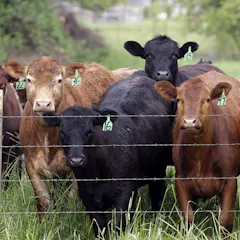
The use of antibiotics in raising livestock is complex. We could be moving towards a less-than-ideal result due to poor understanding, over-simplistic messaging and a rush for competitive advantage.
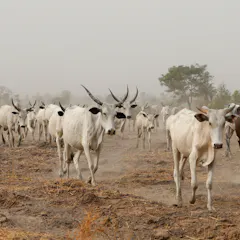
As rain continues to fall in Kenya, national and county governments must put measures in place to prevent a Rift Valley fever outbreak.
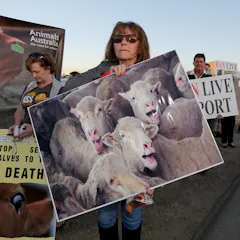
In choosing not to ban the live export trade even in the hottest northern months, the federal government is allowing animals to be put in conditions where they cannot possibly escape suffering.
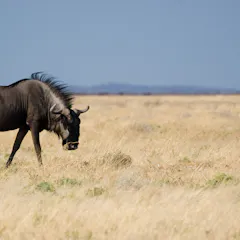
Africa’s famous animal migrations are increasingly blocked by fences, erected by farmers to keep their livestock safe from disease. But a new approach aims to deliver healthy beef and healthy wildlife.
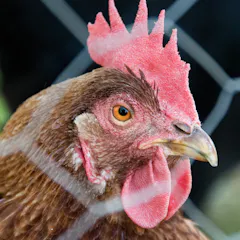
The current review of standards for egg and poultry farming does little to assuage fears that the industry wields too much influence. Only an independent regulator can restore public confidence.
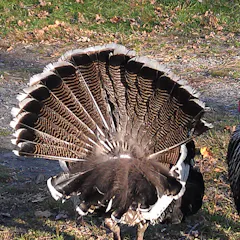
The fate of turkey tails shows how Americans have shifted from eating whole animals to focusing on choice cuts – and the surprising places where unwanted parts end up.
According to the UN, world hunger is rising for the first time in 15 years. The answer is not only growing more food, but also buffering small-scale farmers against climate change and armed conflicts.
Environmentally friendly beef is a myth, according to a new report.
When jetting off on holiday, we rarely give a second thought to what microbes we might be taking with us. But humans spread trillions of bacteria around the globe, potentially harming ecosystems’ balance.
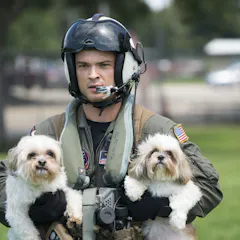
During Hurricane Katrina in 2005, some people died rather than evacuating without their pets. Now emergency managers are required to include animals in their response plans.
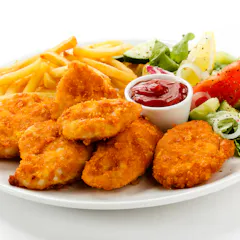
China has started exporting cooked chicken meat to the United States. Is it safe to eat? An agriculture extension specialist discusses possible concerns about food safety and contamination.
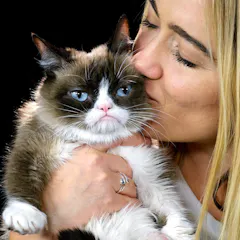
Scientists are beginning to link animal facial expressions to emotions, making it possible for us to understand how they feel.
Top contributors
-

Specialist, CGIAR
-
Professor of Veterinary Infectious Diseases, University of Liverpool and International Livestock Research Institute, Kenya, University of Liverpool
-
Adjunct Professor in Animal Welfare, Curtin University
-
Professor in Wildlife Ecology and Conservation, School of Life & Environmental Sciences, Deakin University
-
Fellow, Zoological Society of London
-
Senior Fellow, Department of Agricultural Economics, Stellenbosch University
-
Associate professor, UNSW
-
Senior Researcher and Statistician, University of Hohenheim
-
Barrister, Victorian Bar and Honorary Fellow, Melbourne Law School, The University of Melbourne
-
Professor of Sustainability, Curtin University
-
Assistant Professor of Applied Environmental Health , University of Maryland
-
Senior lecturer, UNSW
-
Professor, Dept of Food, Agricultural and Resource Economics, University of Guelph
-
Chief Research Scientist, Food Systems and the Environment, CSIRO
-
Postdoctoral research fellow, The University of Melbourne