
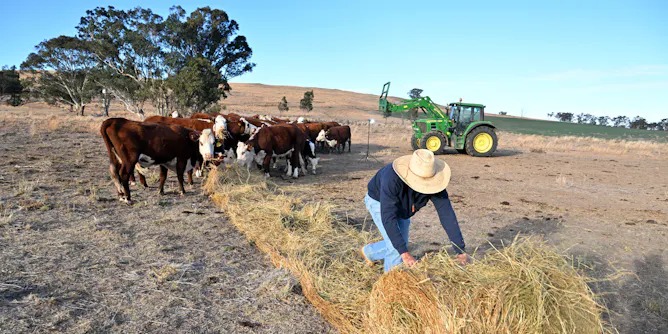
When climate scientists look at the unfolding drought in southern Australia, they see three phases: flash drought, leading to green drought and then fodder drought.
Articles on Livestock
Displaying 21 - 40 of 226 articles
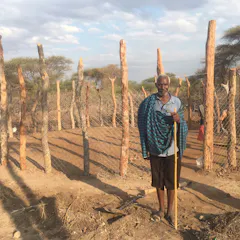
Management and protection of livestock is fundamental for reducing conflict with wildlife.
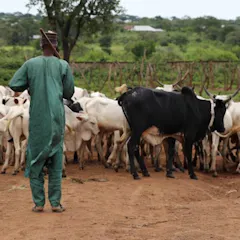
Blending livelihood strategies based on what works at different times in specific environments has been key to human survival for thousands of years.
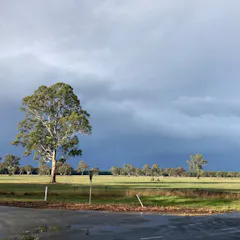
Yes, it’s been raining in southeast Australia – but it’s too little, too late. Now it’s too cold to grow decent pasture. This is called a ‘green drought’.
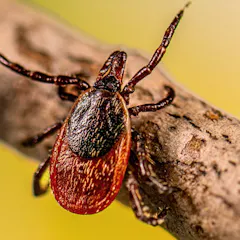
Changes to forests, and how close people and their livestock live to them, have changed tick habitats and the risks humans face of Lyme disease and other illnesses.
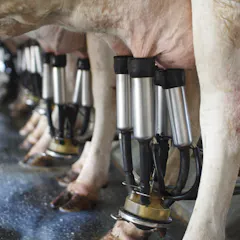
As our domesticated herds grow, wildlife is becoming rarer and rarer. Rethinking our responsibilities to animals will be hard – but essential.
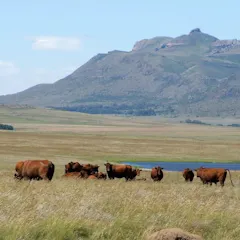
The Grassland Society of Southern Africa has been conducting scientific research for 60 years, adapting to new challenges.
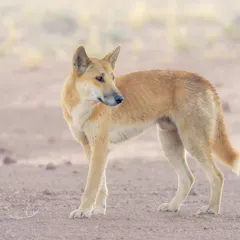
Despite public perceptions, sheep and cattle are not a favoured prey for some dingoes or foxes. So is culling them to protect livestock justified?
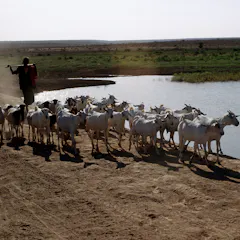
Somalia’s competitiveness in global markets has weakened owing to climate change and conflict.

When volcanoes like Alaska’s Mount Spurr erupt, the ash can damage people’s lungs, smother crops and kill animals, and the harm can continue to spread long afterward.
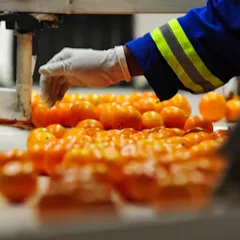
Diversifying exports takes time; what needs to be in place to achieve this?
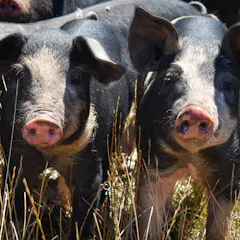
Genetic diversity matters for wildlife – and for the livestock on which we depend. Yet breed after breed is disappearing into extinction.
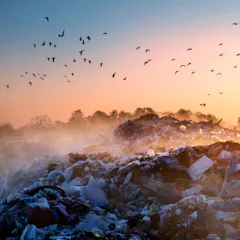
Cover landfills and manure tanks and shrink dairy herds, for a start.
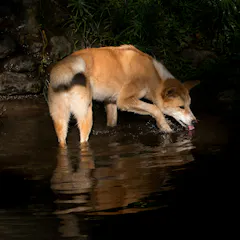
Dingo culling is allowed in Victoria’s east until 2028, raising questions over how we balance the needs of humans and animals.
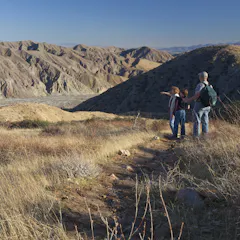
The Interior Department manages about one-fifth of all US land. Its secretary mediates among many competing uses for it, from recreation to energy production.
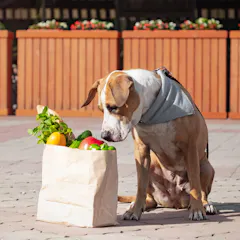
If every dog ate a vegan diet, it would prevent the equivalent of the UK’s annual CO₂ emissions.
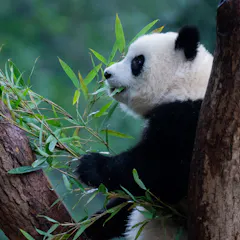
Rising carbon dioxide levels in the air are making plants grow larger and faster, but diluting their nutritional content. This could threaten the health of herbivores worldwide.
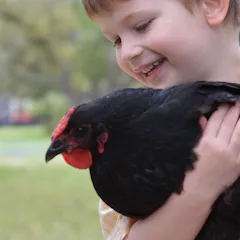
Research has found people see backyard chickens as pets – but wouldn’t take them to the vet. It raises important questions about how we relate to the non-human world.
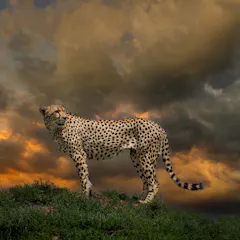
Over the past 112 years the Mara-Serengeti ecosystem has experienced major changes in its weather.
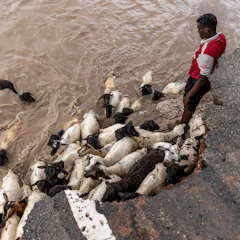
We’re already seeing the impacts of weather extremes on key parts of our lives, from the food we eat to the roads we use and our health.
Top contributors
-

Specialist, CGIAR
-
Professor of Veterinary Infectious Diseases, University of Liverpool and International Livestock Research Institute, Kenya, University of Liverpool
-
Adjunct Professor in Animal Welfare, Curtin University
-
Professor in Wildlife Ecology and Conservation, School of Life & Environmental Sciences, Deakin University
-
Fellow, Zoological Society of London
-
Senior Fellow, Department of Agricultural Economics, Stellenbosch University
-
Associate professor, UNSW
-
Senior Researcher and Statistician, University of Hohenheim
-
Barrister, Victorian Bar and Honorary Fellow, Melbourne Law School, The University of Melbourne
-
Professor of Sustainability, Curtin University
-
Assistant Professor of Applied Environmental Health , University of Maryland
-
Senior lecturer, UNSW
-
Professor, Dept of Food, Agricultural and Resource Economics, University of Guelph
-
Chief Research Scientist, Food Systems and the Environment, CSIRO
-
Postdoctoral research fellow, The University of Melbourne