
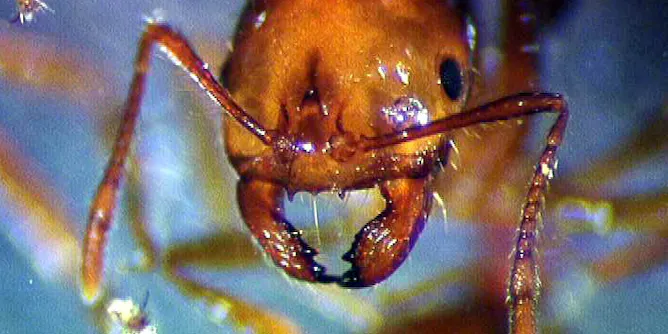
Improvements in knowledge and control methods mean eradicating the Australian invasion is challenging, but still potentially feasible.
Articles on Invasive species
Displaying 281 - 300 of 382 articles

In the coming weeks, Parks Australia will release a 2mm wasp on Christmas Island to control the island’s yellow crazy ant infestation.
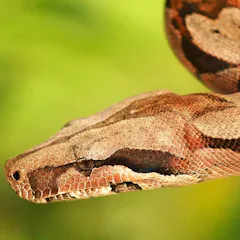
Keeping non-native reptiles as pets is against the law – with good reason. Alien species traded on the black market can potentially establish themselves in the wild if they are released or escape.
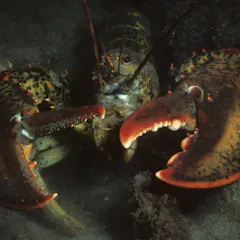
Non-native lobsters released into European seas carry diseases and parasites that threaten local species.
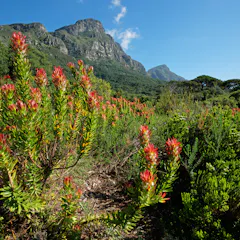
Restoring habitats have numerous benefits, they can also benefit humanity. But it is for people to be convinced that they can actually do good.
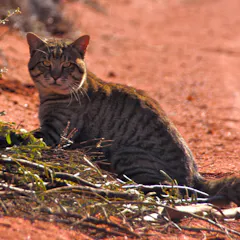
Cats, rats, foxes and other mammal predators have been implicated in 60% of the world’s animals extinctions.
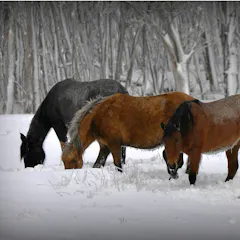
Horses need to be removed from Australia’s mountains. The debate now is around ethics and their role in Australian culture.

Perfectly adapted for European life, these bright green birds will soon become part of the scenery.
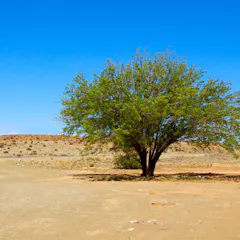
The invasive mesquite tree has a negative impact on everything from biodiversity to human health. Management programmes are crucial.
Invasive species and diseases pose a major threat to agriculture – particularly in the countries that can least afford it.
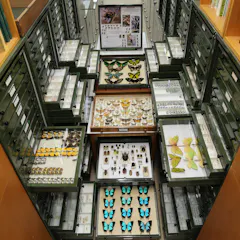
At least 100,000 insects are among the many Australian species still to be formally identified. That’s a problem for any biosecurity experts who need to be able to spot potentially invasive bugs.
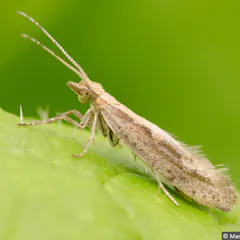
A ‘Biblical swarm’ of ‘super-moths’ from continental Europe is heading to the UK.
Transport, climate change and environmental destruction mean all sorts of species are bumping into each other for the first time.

A warming Earth could see invading species arrive in Antarctica via the floating “taxi service” of the sea. That could be a threat to the southern continent’s delicate ecosystem.
Eating cows and sheep is unsustainable. Here are some better alternatives.
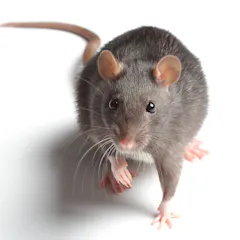
Rats have lived with us for thousands of years.
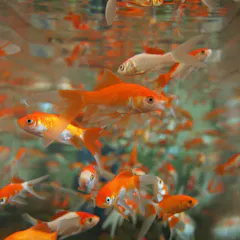
Many pet fish end up in ponds, fountains and waterways. But before ditching your goldfish in the park, stop and think about the viruses you could also be releasing.
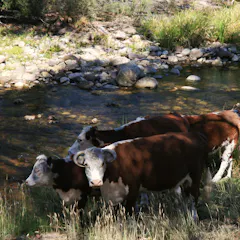
Freshwater covers only 0.5% of the Earth’s surface but is home to 10% of the world’s lifeforms.
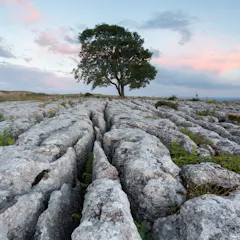
Over 100 species are dependent on Ash trees for survival – we need to act fast.
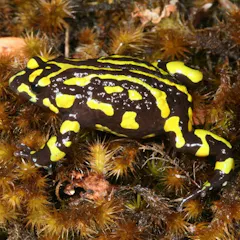
Chytrid fungus has already wiped out six species of Australian frogs since the disease arrived in the 1970s. Without urgent action, seven more are facing extinction.
Top contributors
-

Professor in Wildlife Ecology and Conservation, School of Life & Environmental Sciences, Deakin University
-
Honorary Research Fellow, University of Sydney
-
Professor in Terrestrial Ecology, Deakin University
-
Professor in Evolutionary Biology, Macquarie University
-
Professor of Wildlife Conservation, University of Tasmania
-
Professor Emeritus in Terrestrial Ecology, University of Sydney
-
Professor in Environmental Science, Charles Darwin University
-
Professeur, UMR ISYEB (Institut de Systématique, Évolution, Biodiversité), Muséum national d’histoire naturelle (MNHN)
-
Director of the Wildlife Crime Research Hub, Australian Research Council Industry Laureate Fellow, Adelaide University
-
Professor of Conservation Biology, Charles Darwin University
-
Associate Professor, Global Ecology, University of Sydney
-
Research Director CSIRO Health & Biosecurity, CSIRO
-
Professor in Zoology, James Cook University
-
Lecturer in the School of Applied Sciences, Edinburgh Napier University
-
Adjunct Professor, The University of Western Australia