

NoMowMay is a catchy concept, but it doesn’t provide the food that native North American pollinators need or lasting support for them.
Articles on Insects
Displaying 121 - 140 of 537 articles

Ever been made to feel small? Here’s why being petite is no bad thing.
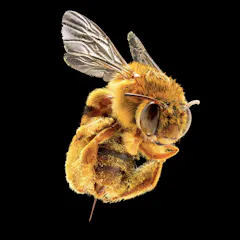
99.96% of bee species do not die after stinging. So why does everyone think they do?
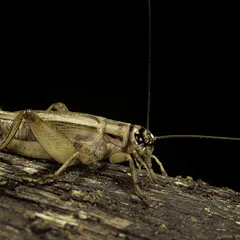
Only male crickets have wing structures that produce sound, but females are very good at following the signal.

Wild turkeys were overhunted across the US through the early 1900s, but made a strong comeback. Now, though, numbers are declining again. Two ecologists parse the evidence and offer an explanation.
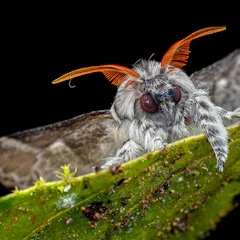
Sometimes it seems the night is just buzzing with insects. But are there really more insects out at night? We analysed all the evidence on insect activity across the day–night cycle to find out.

The last time that these two groups of cicadas emerged from underground together, Thomas Jefferson was president.

Some butterflies are expanding their ranges as the climate changes, others are dwindling.

New AI tech could identify Asian hornets and help scientists eradicate invading colonies.
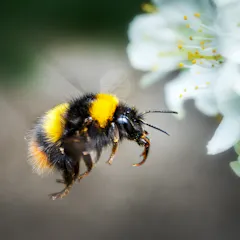
Check that something is blooming every week, March through October, to help bees.

Rock dust is only part of the story of soil. Living creatures, many of them too tiny to see, keep that soil healthy for growing everything from food to forests.

The US Department of Agriculture has updated its plant hardiness zone map, which shows where various plants will grow across the country. Gardeners should take note.
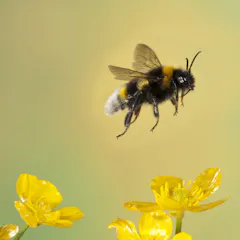
Many common insects seem to disappear during autumn and winter – but they are still around. Making your garden a good winter habitat can help these vital pollinators survive and thrive.
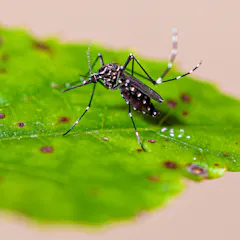
Female mosquitoes don’t want to lay their eggs alone, but they don’t want sites that are too crowded either. Understanding what guides their choice could inform new control strategies.

Not much is known about the predator fly Laphria saffrana. New research identified how they count the wingbeats of their favored prey, letting it slip out of focus before adjusting their heads.
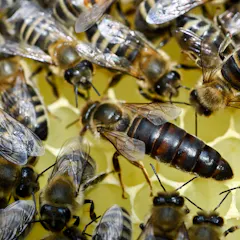
A queen’s main job in the hive is to lay eggs and pass genes on to offspring. But many bee species do just fine without queens or big colonies.
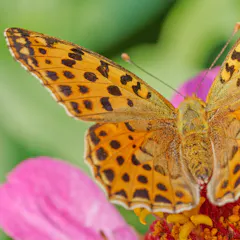
Climate change puts pressure on British butterflies and moths - sometimes pushing them to the edges of their geographical range or shifting the timing of their life cycle so they can’t feed.
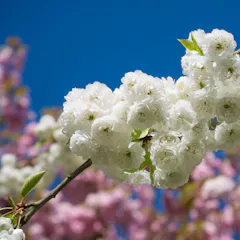
Rising air temperatures mean shorter winters and earlier springs.
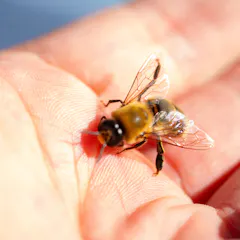
Australia could still take action in the fight against Varroa that wasn’t possible elsewhere. But to do so, we need to fill urgent gaps in bee research.

The native red admiral is less common than it used to be, but we can all help threatened bug species by ensuring they have the right habitats to thrive in.
Top contributors
-

Associate Professor in Entomology, University of Sydney
-
Clinical Associate Professor, School of Medical Science & Sydney Infectious Diseases Institute; Principal Hospital Scientist, University of Sydney
-
Professor of Behavioural Ecology, UCL
-
Associate Professor, Department of Physiology, Monash University
-
Lecturer in Ecology, University of New England
-
Lecturer, School of Life and Environmental Sciences, University of Sydney
-
Research Fellow, School of Biological Sciences, Monash University
-
Director of the Australian National Insect Collection, CSIRO
-
Postdoctoral Researcher in Mycology, West Virginia University
-
Adjunct associate, CSIRO
-
Associate Professor, Ecology, Northumbria University, Newcastle
-
Assistant Professor, Faculty of Agriculture, Dalhousie University
-
Senior Research Associate in Entomology, Lancaster University
-
PhD Candidate in Zoology, University of Otago
-
Professor, School of Natural Sciences, Macquarie University