

Have you ever paused to think about the athletic abilities of Australian wildlife? Let’s look at some of our best competitors and how might they fare in a contest against humans and overseas entrants.
Articles on Insects
Displaying 101 - 120 of 537 articles

Research finds that extensive feeding by invasive insects can cause trees to produce defense compounds, to the detriment of valued native insects.
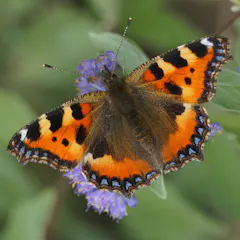
The Big Butterfly Count reported its worst results in 14 years of monitoring UK species.

All of a sudden, dragonflies are everywhere – but they’ve been waiting a long time for their chance to take to the air.

The benefits of leafy mistletoes for wintering arthropods include shelter from extreme weather and hungry birds as well as a more humid microclimate to avoid desiccation.

Scientists know why there aren’t as many wasps around this year - but we don’t have much data on what is happening long term.
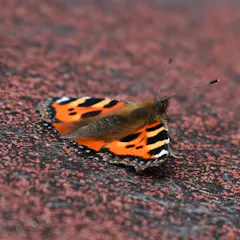
Butterflies bruised by rain and gales are hunkering down hoping for pleasant weather.

A recent study shows that carpenter ants have evolved amputation skills a cut above the rest of insects.

Why it’s time we started appreciating these tiny insects.

With the help of citizen scientists, South African entomologists can work to keep invasive wasp populations from spreading.

City life can mean lots of pavement and habitat loss. But many bug species are hanging on, especially in neighborhoods with steady temperatures near the mountains.
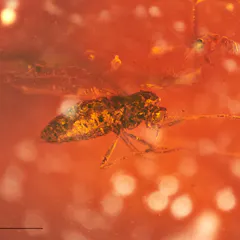
Amber catches creatures in incredible detail. These fossil insects in amber are a link between ancient Gondwana and modern Australian forests.
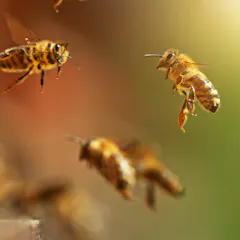
New study shows man made hives leak substantially more heat than the tree cavities of wild honey bees.
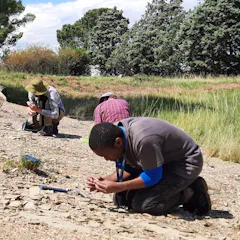
New insect treasures are almost certainly just waiting to be found by future palaeonentomologists.

About a third of insects attracted to artificial lights die by morning, often from exhaustion. But we can help them, and the vital ecosystems they serve, by reducing light pollution.

You’ll never look at spiders the same way.

Ferns have evolved a mutually beneficial relationship with ants, but this happened late in their evolution. A recent study shows that old dogs can learn new tricks.

Researchers have been estimating the vast numbers of insects, including many pollinators, migrating at one location in the Pyrenees. But climate change and habitat loss could affect their abundance.
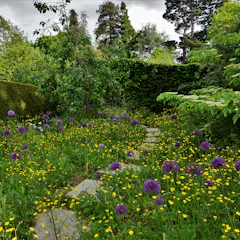
A little corner of the garden set aside for wildlife can make a huge difference, if we all do it.
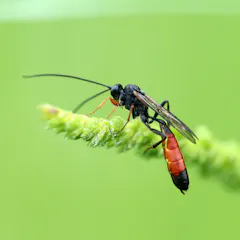
An insect’s physical shape and characteristics indicate which species it belongs to, but sometimes species appear remarkably similar. DNA technologies can help identify and discover species.
Top contributors
-

Associate Professor in Entomology, University of Sydney
-
Clinical Associate Professor, School of Medical Science & Sydney Infectious Diseases Institute; Principal Hospital Scientist, University of Sydney
-
Professor of Behavioural Ecology, UCL
-
Associate Professor, Department of Physiology, Monash University
-
Lecturer in Ecology, University of New England
-
Lecturer, School of Life and Environmental Sciences, University of Sydney
-
Research Fellow, School of Biological Sciences, Monash University
-
Director of the Australian National Insect Collection, CSIRO
-
Postdoctoral Researcher in Mycology, West Virginia University
-
Adjunct associate, CSIRO
-
Associate Professor, Ecology, Northumbria University, Newcastle
-
Assistant Professor, Faculty of Agriculture, Dalhousie University
-
Senior Research Associate in Entomology, Lancaster University
-
PhD Candidate in Zoology, University of Otago
-
Professor, School of Natural Sciences, Macquarie University