
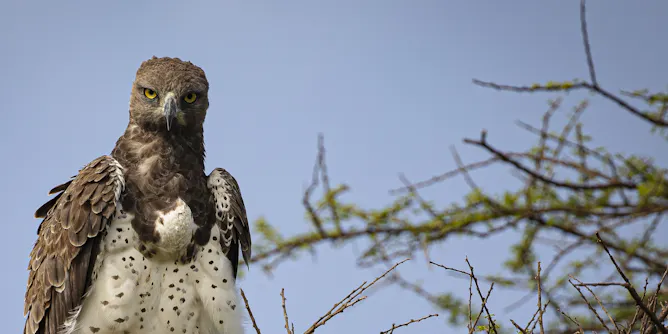
DDT accumulates in wildlife and magnifies up the food chain. Birds of prey occupy the top of these food chains in various ecosystems.
Articles on Insects
Displaying 201 - 220 of 537 articles
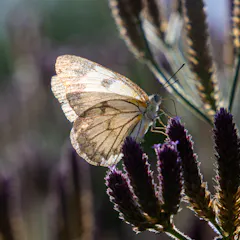
Across the world, phenological events are occurring increasingly earlier as a result of climate change.
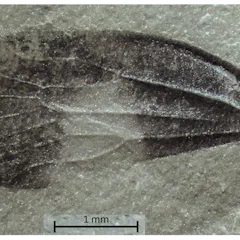
Tiny plant and insect fossils provide unique insight into an ancient ecosystem that would, later, be altered by climatic shifts.
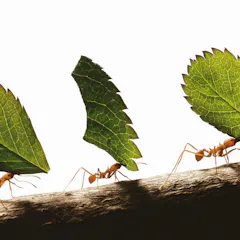
Over hundreds of million years of evolution, ants have come up with some pretty smart solutions to problems of agriculture, navigation and architecture. People could learn a thing or two.
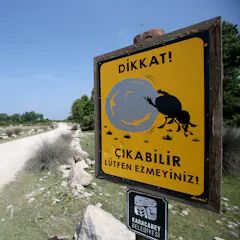
Everyone is feeling the heat these days – even species that develop underground.
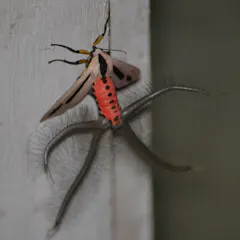
Invertebrates are the most abundant animals on our planet – and the vast majority are nothing to be afraid of, despite their appearances.
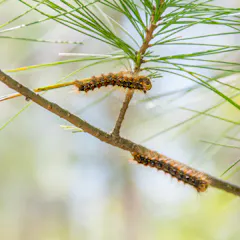
Creating and preserving diverse forests can help us prepare for the next insect outbreak and protect our trees.

Honey bees, wild and native bees face threats from parasites, pesticides and habitat loss. Shorter winters, more extreme weather and more habitat destruction won’t help.

Published in 1962, ‘Silent Spring’ called attention to collateral damage from widespread use of synthetic pesticides. Many problems the book anticipated persist today in new forms.

Don’t let microbes and insects turn your Halloween masterpiece into a horror show before the big night.
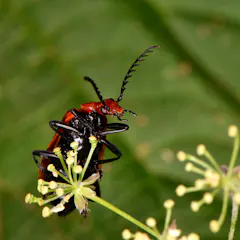
Climate change is exposing animals to temperatures outside of their normal limits – a new study has found that insects have a particularly weak ability to adjust.
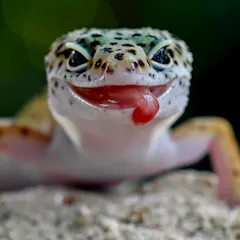
In a warming world, a species’ ability to acclimatise to temperatures is crucial. But young ectotherms can struggle to handle the heat.

Invertebrates are “the little things that run the world”. So researchers decided to count all the ants on Earth, to help monitor how they’re coping with environmental challenges.
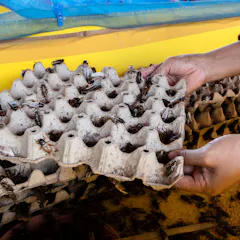
Eating insects can carry a much lower environmental footprint than conventional meat. Should western cultures be incorporating more of them into their diets?
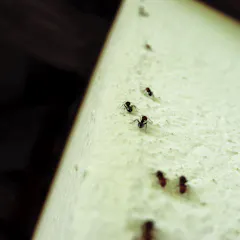
Ant feet are equipped with an array of tools – from retractable sticky pads to claws to special spines and hairs – enabling them to defy gravity and grip virtually any surface.
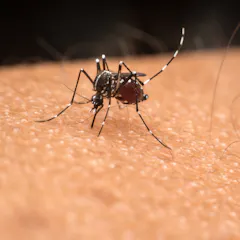
Mosquitoes can track down potential hosts using the CO2 released by humans’ metabolic processes, a medical entomologist explains.

Honey bees have what it takes to pollinate blueberries, boosting the quality and quantity of the popular fruit.
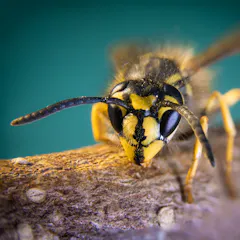
Why you shouldn’t get in a flap over reports that swarms of wasps are descending on Britain.

Why is it so difficult to swat a fly? A team of insect experts explains how a fly’s sophisticated vision allows it to quickly react to visual cues.
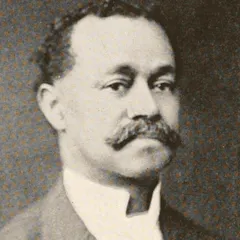
The son of a formerly enslaved mother, Charles Henry Turner was the first to discover that bees and other insects have the ability to modify their behavior based on experience.
Top contributors
-

Associate Professor in Entomology, University of Sydney
-
Clinical Associate Professor, School of Medical Science & Sydney Infectious Diseases Institute; Principal Hospital Scientist, University of Sydney
-
Professor of Behavioural Ecology, UCL
-
Associate Professor, Department of Physiology, Monash University
-
Lecturer in Ecology, University of New England
-
Lecturer, School of Life and Environmental Sciences, University of Sydney
-
Research Fellow, School of Biological Sciences, Monash University
-
Director of the Australian National Insect Collection, CSIRO
-
Postdoctoral Researcher in Mycology, West Virginia University
-
Adjunct associate, CSIRO
-
Associate Professor, Ecology, Northumbria University, Newcastle
-
Assistant Professor, Faculty of Agriculture, Dalhousie University
-
Senior Research Associate in Entomology, Lancaster University
-
PhD Candidate in Zoology, University of Otago
-
Professor, School of Natural Sciences, Macquarie University