
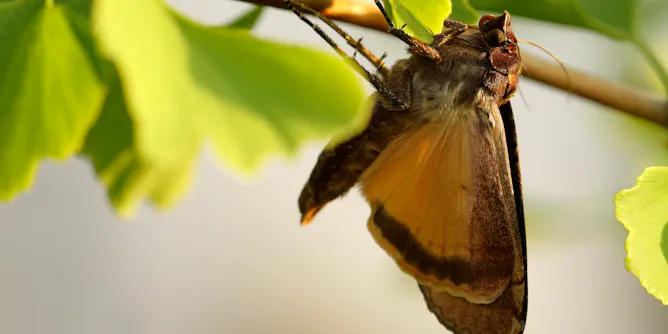
But pesticides and climate change are threatening moths’ future.
Articles on Insects
Displaying 161 - 180 of 537 articles
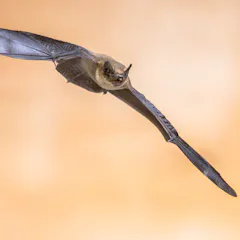
New research has found that bats avoid solar farms – but the findings should not hinder the transition to renewable energy.
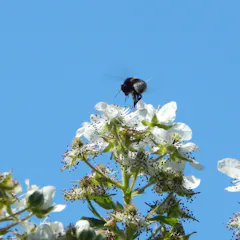
Native common wildflowers provide large amounts of pollen and nectar for insects – but many are undervalued by the public.
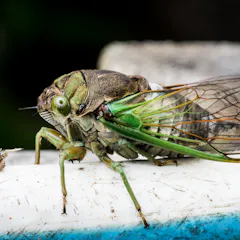
Cicadas don’t need to bathe to stay clean.
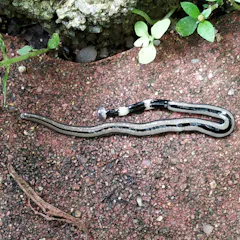
A strange worm found in the jungle, then harvested and preserved in… gin, provides a better understanding of the evolution and genetics of flatworms.

Can planting trees help us solve the climate crisis? Probably, but to what extent?
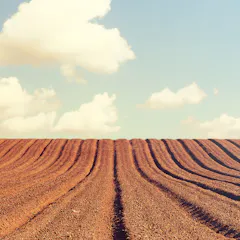
Farms have become less friendly for our insect friends – this must be reversed if we want food to eat.
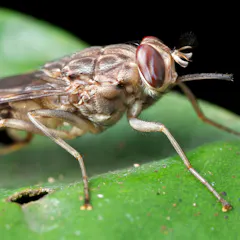
New research on what attracts blood-feasting flies to blue objects could help minimise the impacts of those insects on people and animals.
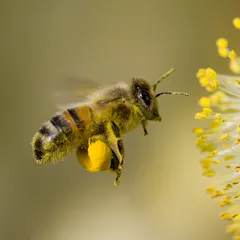
Picking the correct flowers is a crucial job for honey bees, so it’s no wonder they are incredibly efficient at it. But how can such little brains do it?
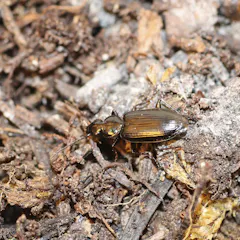
If the spring fire season in Canada is any indication, fire-loving pyrophilic insects will continue to thrive well into summer.
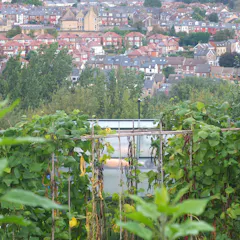
Maintaining a diversity of insects may be key for crop pollination in cities.
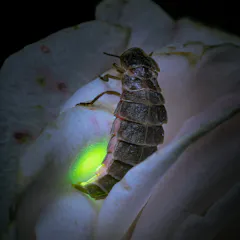
Artificial light is making it harder for male glow-worms to find bioluminescent females.
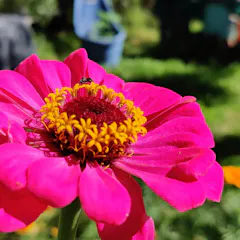
New research suggests insects have pollinated flowers since the pollen-bearing blooms first evolved more than 140 million years ago.
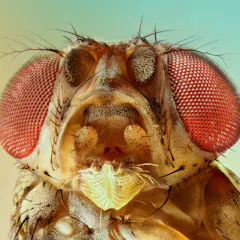
Some of the most important discoveries made in health and genetic science are thanks to the humble fruit fly.
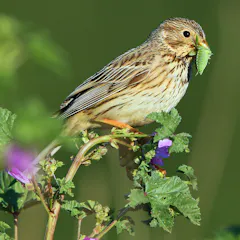
Insect-eating birds such as swifts and yellow wagtails are particularly vulnerable.
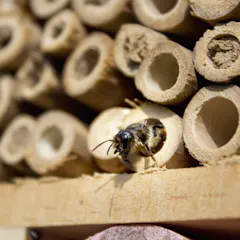
There’s a lot of enthusiasm for wildflower fields and bug hotels. But before introducing these insect-saving measures, we need to better understand when they help – and when they don’t.

Australia is the last continent to be invaded by the dangerous honey bee parasite, and has an opportunity to be the first to eradicate it.
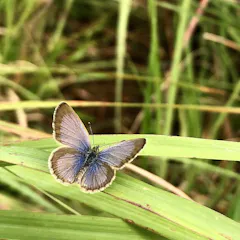
Butterflies are sentinel species – their interactions with landscapes help scientists understand other insects better.
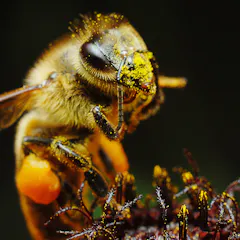
We all know bees are vital pollinators. But they’re also art critics, social learners, dancers and so much more.

Scientists are learning amazing things about bees’ sensory perception and mental capabilities.
Top contributors
-

Associate Professor in Entomology, University of Sydney
-
Clinical Associate Professor, School of Medical Science & Sydney Infectious Diseases Institute; Principal Hospital Scientist, University of Sydney
-
Professor of Behavioural Ecology, UCL
-
Associate Professor, Department of Physiology, Monash University
-
Lecturer in Ecology, University of New England
-
Lecturer, School of Life and Environmental Sciences, University of Sydney
-
Research Fellow, School of Biological Sciences, Monash University
-
Director of the Australian National Insect Collection, CSIRO
-
Postdoctoral Researcher in Mycology, West Virginia University
-
Adjunct associate, CSIRO
-
Associate Professor, Ecology, Northumbria University, Newcastle
-
Assistant Professor, Faculty of Agriculture, Dalhousie University
-
Senior Research Associate in Entomology, Lancaster University
-
PhD Candidate in Zoology, University of Otago
-
Professor, School of Natural Sciences, Macquarie University