
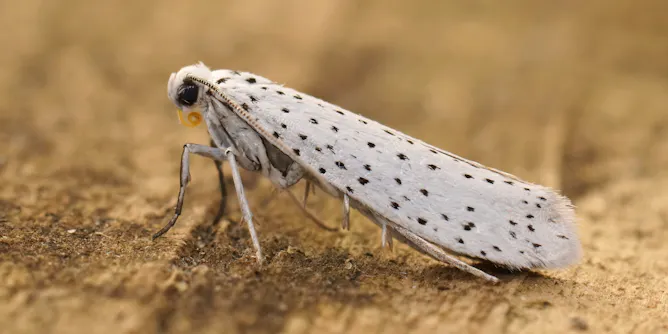
The ermine moth’s wing structures are fascinating because they rely on a mechanism we teach our engineering students to avoid
Articles on Insects
Displaying 141 - 160 of 537 articles
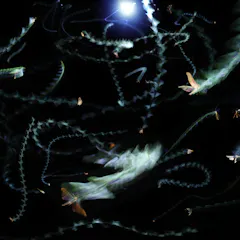
A new study shows how artificial light at night scrambles insects’ normal flight patterns, pulling them off course into orbit around the light.
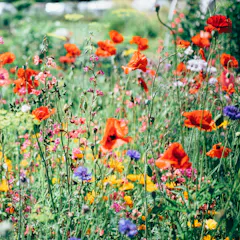
Flowers tend to stand out against a natural background. A new study shows this contrast evolved in a key relationship with their most famous pollinators – bees.

Microplastic pollution is a growing problem − one lab is looking at tiny insects as inspiration for how these pollutants might move through water.
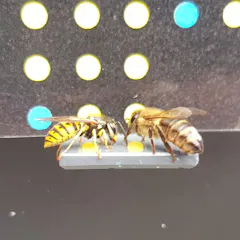
Being susceptible to visual illusions is part and parcel of life not just for humans, but many other species – including bees.
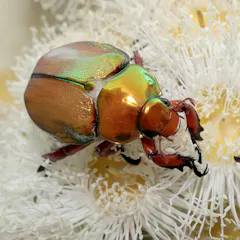
Each year insect scientists like us field questions from the press and public about Christmas beetle populations: where have they gone?
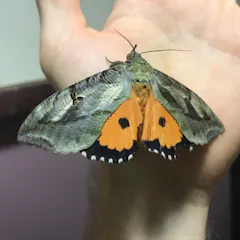
An ecologist, a mathematician and a taxonomist were locked down together in a suburban house. So they counted all the species of plants and animals they could find.
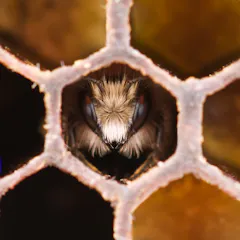
New research shows honeybee hive clusters are a sign of desperation, not insulation.
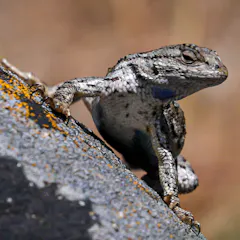
From dark dragonflies becoming paler to plants flowering earlier, some species are slowly evolving with the climate. Evolutionary biologists explain why few will evolve fast enough.
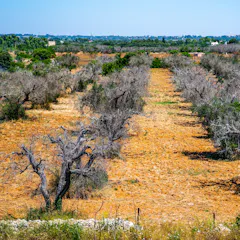
The meadow spittlebug can transmit a deadly bacterium – many plants in Britain could be at risk.
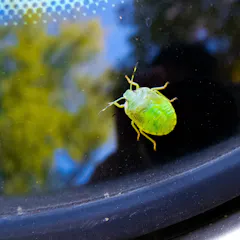
The number of bugs on our windscreens has plummeted in recent years. Are we driving faster? Or are there fewer of them?
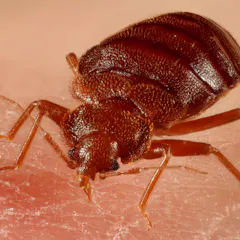
The trouble is most countries don’t make bed bug infestation data available to researchers.
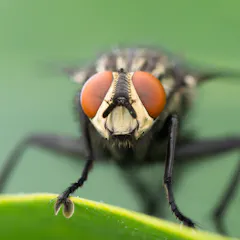
Early warm weather has triggered a bumper season for Australia’s 30,000 fly species.

It’s spring, but many street trees look stressed and sick. Heat and insect attack are arriving early. But our cities are also steadily losing canopy cover.
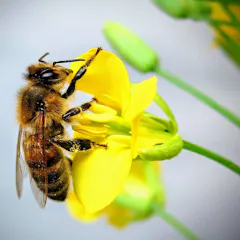
We’re making life tough for insects – and not just by swatting them away with a newspaper.
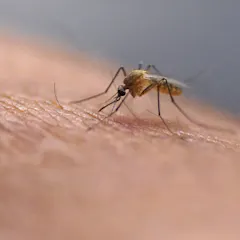
West Nile virus arrived in North America in 1999 and spread across the continent by 2005. Here’s what you need to know about this mosquito-borne pathogen.
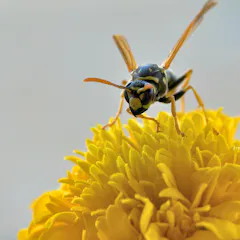
Have we overlooked the intelligence and value of wasps?

Your less manicured garden has the potential to combat tackle climate change and help wildlife survive.
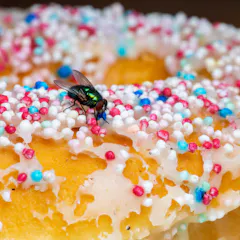
Flies often beat out competitors for food because of their specialized sensing organs called antennae.
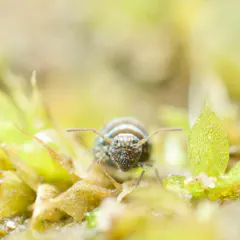
With more than one species for every person on the planet, soils are the most diverse habitat on Earth.
Top contributors
-

Associate Professor in Entomology, University of Sydney
-
Clinical Associate Professor, School of Medical Science & Sydney Infectious Diseases Institute; Principal Hospital Scientist, University of Sydney
-
Professor of Behavioural Ecology, UCL
-
Associate Professor, Department of Physiology, Monash University
-
Lecturer in Ecology, University of New England
-
Lecturer, School of Life and Environmental Sciences, University of Sydney
-
Research Fellow, School of Biological Sciences, Monash University
-
Director of the Australian National Insect Collection, CSIRO
-
Postdoctoral Researcher in Mycology, West Virginia University
-
Adjunct associate, CSIRO
-
Associate Professor, Ecology, Northumbria University, Newcastle
-
Assistant Professor, Faculty of Agriculture, Dalhousie University
-
Senior Research Associate in Entomology, Lancaster University
-
PhD Candidate in Zoology, University of Otago
-
Professor, School of Natural Sciences, Macquarie University