

New studies reveal when the Denisovans and their Neanderthal cousins occupied a cave in southern Siberia. It’s the only site known to have been inhabited by them and by modern humans.
Articles on Human evolution
Displaying 141 - 160 of 237 articles

Ancient stone tools found in what is now Algeria show early humans likely spread across Africa more rapidly than first thought.
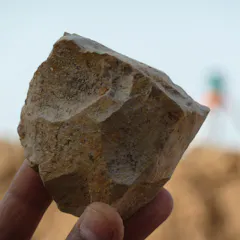
New discovery could be a game changer for archaeology.
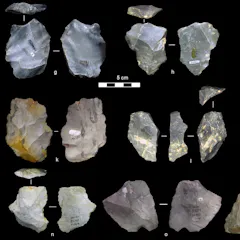
A fresh look at museum artifacts fills in a gap in the Asian archaeological record and refutes the idea that an advanced technique was imported from the West by early modern humans.
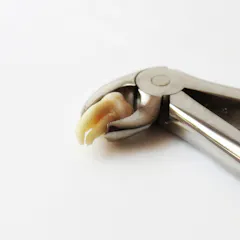
When they cause problems, wisdom teeth don’t seem very smart. But they may have been evolution’s answer to a coarse diet.

The teeth from two Neanderthal children and a relatively modern human child reveal their exposure to seasonal changes during their early life.
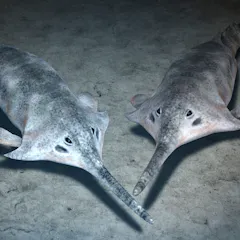
New research shows shallow, near-land seas similar to Bass Strait were critical in the early days of fish evolution. These are the waters we need to protect now to ensure ongoing biodiversity.
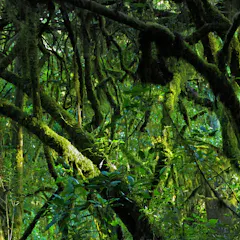
Rainforests may have played far more of a role in shaping human evolution than previously thought.
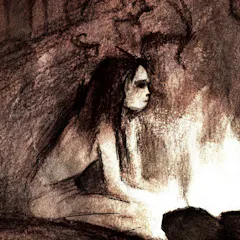
Ancient DNA in a 50,000+ year old bone tells us that two species of early humans did produce offspring together.
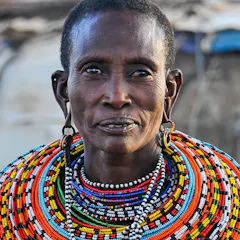
Why is jewellery so important to the story of human evolution? Because it provides a public message – even to people we don’t know.

Modern day people of short stature became physically small due to the effects of living on a small island or forested environment. But we’re not sure why “the Hobbit” of Flores was so small.
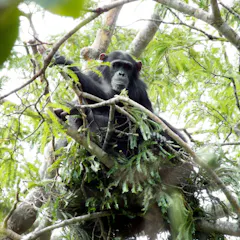
Early hominins are thought to have made a new shelter every night, which taught them how to adapt to changing conditions.

A manifesto from 23 researchers challenges old models, and outlines the major new directions archaeology should follow to solve the puzzling origins of modern humans.
Conquer the globe? You bet we did – but when did it start? A new paper shows early humans made tools in China two million years ago.
Neanderthals used spears as hunting weapons by throwing or thrusting, according to a new study.
The large human brain has been thought to result from social demands. But new research challenges this idea.
Do chimpanzee talk to each other? Scientists follow and record chimpanzees in the wild to find out – and to fill in details about how human language might have evolved.

Humans are the only ape that sings, but we’re also the only ape that sings poorly. It’s a lot easier to whistle.

Why was one gene mutation that affects hair, teeth, sweat glands and breasts ubiquitous among ice age Arctic people? New research points to the advantage it provided for ancestors of Native Americans.

New research shows the Bajau Laut people of Southeast Asia have evolved bigger spleens to store more oxygen-rich blood.
Top contributors
-

Honorary Associate Professor, UNSW
-
Professor of Earth System Science, UCL
-
Emeritus Strategic Professor in Palaeontology, Flinders University
-
Professor of Archaeology and Biological Anthropology, School of Social Science, The University of Queensland
-
Director, ARC Centre of Excellence for Australian Biodiversity and Heritage (CABAH), University of Wollongong
-
Associate Professor of Archaeology, Griffith University
-
Director, Australian Research Centre for Human Evolution, Griffith University
-
Professor in Geochronology and Geochemistry, Southern Cross University
-
Wood Jones Professor of Anthropological and Comparative Anatomy, Adelaide University
-
Postdoctoral fellow, Australian National University
-
Group Leader, Genomics and Bioinformatics, Australian Centre for Ancient DNA, Adelaide University
-
Senior Lecturer in Paleontology and Evolutionary Biology, Life Sciences at the University of Bath, University of Bath
-
Research Fellow in Biological Anthropology, Monash University
-
Jenny Graves is a Friend of The Conversation.
Distinguished Professor of Genetics and Vice Chancellor's Fellow, La Trobe University
-
Scientia Professor of Evolution, UNSW