
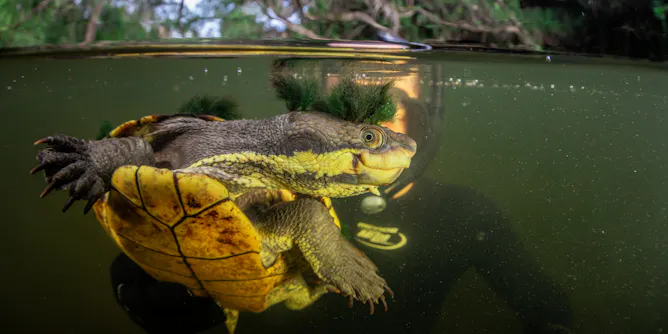
Not all conservation threats come from overseas. Some are our own native animals.
Articles on Genetic diversity
Displaying 1 - 20 of 45 articles
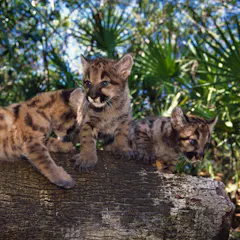
Four experts explain what genetic health is and why it matters for our most vulnerable wildlife.
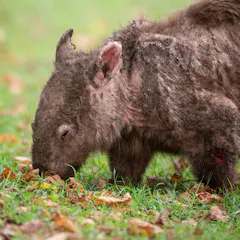
The tiny scabies mite burrows beneath the skin of many animals, including Australia’s bare-nosed wombat.

Four experts explain how we can protect the rare – and increasingly at risk – spidery wattle.
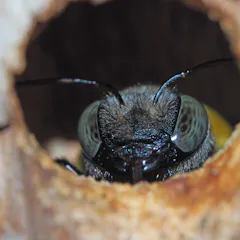
Human-made carbon dioxide emissions threaten the very survival of our larger pollinators.
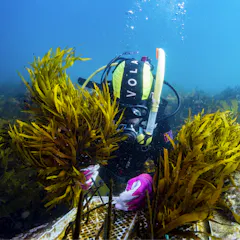
Many of Australia’s shimmering seaweed forests are disappearing as the oceans get hotter. It’s time for an insurance policy.

Most genetic studies focus on people from European ancestry. But Africa has the richest diversity and must be included in genetic databases.

Studying ancient genes can tell us more about the evolution of humans’ anatomy, behaviour and thinking.
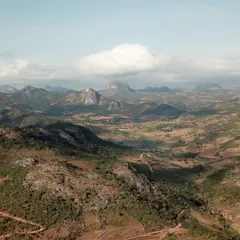
Ethical guidelines for ancient DNA need to protect past, present and future generations.
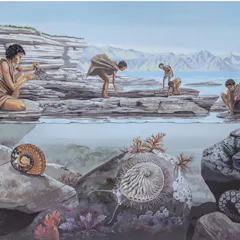
A coastal migration up and out of Africa was more likely to succeed than an overland journey.

Researchers can study volcanic deposits at archaeological sites to piece together how ancient people responded to catastrophic events.

Two genomic variants contribute to the risk of breast cancer in black South African women.
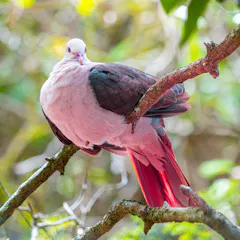
Gene editing could add genetic diversity that can revitalise species on the brink of extinction.

Genetic diversity is being lost across many species – especially birds and mammals. But you can help stop the decline.

Faced with the collapse of biodiversity, there is an urgent need to protect the genetic diversity of species. But to preserve fruit trees, seed banks are not enough.
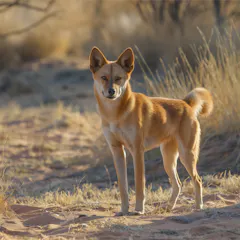
New genetic research shows dingoes are not breeding with domestic dogs in the wild. But that could change if lethal control measures continue to decimate populations in Victoria.
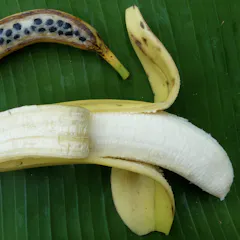
Genome analysis of common tropical crops reveals genetic diversity that is crucial to their improvement in face of environmental challenges.
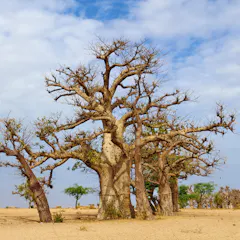
New research has found that the world’s baobab trees all evolved on Madagascar 21 million years ago. Sometime in the last 12 million years, they floated on piles of debris to Australia and Africa.
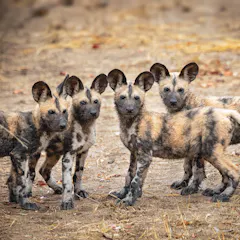
The African wild dog has been left without habitat to naturally disperse and breed. Scientists will set up the first-ever sperm bank to inseminate wild dogs and ensure that the species survives.
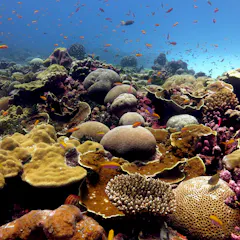
Exploring the often unseen, and poorly understood, nuances of diversity within coral reefs may prove essential for ensuring the long-term health of Earth’s oceans.
Top contributors
-

Professor of Zoology at the University of Fort Hare, University of Fort Hare
-
Postdoctoral Fellow Molecular Ecology, Flinders University
-
Professor of Sustainability, University of Huddersfield
-
Matthew Flinders Professor of Biodiversity Genomics, Flinders University
-
Plant molecular biologist, The University of Queensland
-
Research Fellow, Deakin University
-
Researcher, Centre for Sustainable and Resilient Communities, University of Huddersfield
-
UNSW
-
Professor with Research Focus in Stone Age Archaeology, Palaeo-Research Institute, University of Johannesburg
-
Professor of Sociology and Associate Dean for Research & Graduate Affairs, College of Liberal Arts, Colorado State University
-
Academic in Molecular Ecology, Flinders University
-
Professor in Plant Molecular Genetics, The University of Queensland
-
Professor of Anthropology, Deakin University
-
Postdoctoral Researcher in management and conservation of white sharks, Stellenbosch University
-
Lecturer in Environment and Sustainability, Keele University