

Important as it is, no amount of social media regulation will meaningfully address the manosphere unless we also dismantle the misogyny that underpins it.
Articles on Gender inequality
Displaying 1 - 20 of 218 articles

When both parents appeared equally available, schools were 40% more likely to call students’ moms, rather than their dads.

As long as women and other equity-seeking groups are underrepresented, Canada’s clean energy workforce remains inequitable.
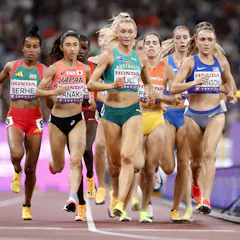
European broadcasters have been advised to avoid certain close-up shots and slow-motion replays. It’s an overdue change.
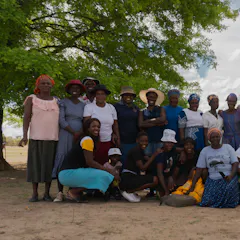
New research shows how women in rural Zimbabwe rebuilt their lives after Cyclone Dineo displaced hundreds of families and swept away their homes.
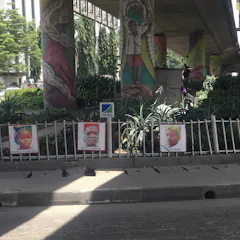
When armed groups use child recruitment or sexual violence, the impact of conflict on schooling is much more severe than in conflicts without these tactics.

An organizational researcher argues that biases about who leads and who cares are baked into the structures of work itself, which is detrimental to women.

New research finds that people consistently describe women as detail-focused and men as visionary, a bias with measurable consequences for who gets promoted.

An economist explores the gender data bias behind credit scoring and borrowing money from the bank that excludes women worldwide, denying them the same economic rights as men.

You’ve heard of the glass ceiling. New research has identified another barrier: the glass wall, which punishes women for the kind of lateral career moves that boost men’s prospects.

Researchers followed hundreds of British couples for three decades to ask: What happens to the spouse who doesn’t choose startup life, but has to live it anyway?

Gender inequity is still framed primarily as a problem of access and representation. It is also a governance problem.
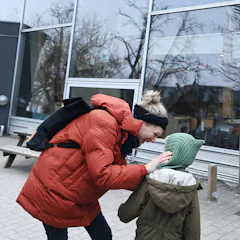
Two researchers found that Danish government benefits do not fully offset moms’ lost earnings. But they do help offset lost income for working women with kids.
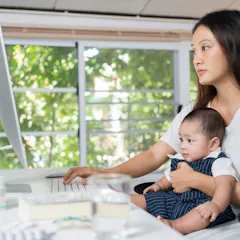
Research suggests mothers put their children’s future ahead of their own, prioritizing education savings or splurging on non-essential items they believe will make their children happy.

Women have won just six seats so far in the new 210-member parliament. This is not surprising considering how few were permitted to vote or stand as candidates.
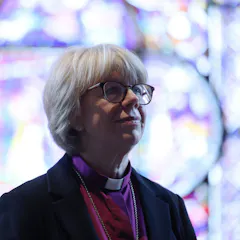
Nearly 600 parishes officially bar women priests.
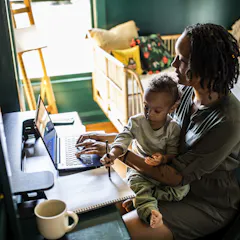
Two sociologists found that when the pace at which family sizes was shrinking slowed down, starting in the 1990s, progress toward closing the gender pay gap grew sluggish too.

The G20 presidency could champion affordable internet for women, innovation hubs for women entrepreneurs and subsidies for tech companies to hire more women.
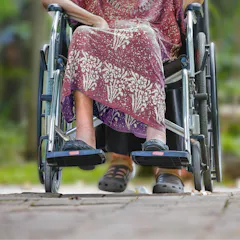
Women with disabilities can’t always make informed reproductive choices, and this can make them even more vulnerable.

While the changes in population structure that accompany low birth rates are real, the impact of these changes has been dramatically overstated.
Top contributors
-

RBC Professor in Responsible Organizations and Full Professor, Concordia University
-
Professor of Political Science and Chair of the South African Research Initiative in Gender Politics, Stellenbosch University
-
DSTI/NRF Research Chair in Welfare and Social Development, University of Johannesburg
-
Professor of Law, The University of Melbourne
-
Pro Vice-Chancellor, Climate, Sustainability and Inequality and Director, Southern Centre for Inequality Studies, University of the Witwatersrand
-
Senior Lecturer in Creative Industries and ARC DECRA Fellow, The University of Melbourne
-
Senior lecturer, School of Psychology, Deakin University
-
Adjunct Professor, Curtin Law School and Curtin Business School, Curtin University
-
Chief executive officer, Grattan Institute
-
Professor of European Politics and Society, University of Bath
-
Associate Professor in Human Geography, University of Oxford
-
Associate Professor in Finance, University of Canberra
-
Director, XYX Lab, and Professor, Faculty of Art, Design and Architecture, Monash University
-
Assistant Professor of Politics and International Relations, University of Nottingham
-
Lecturer in Global Development Politics, University of York