

Women in Makoko, a floating slum in Nigeria, face challenges funding their fish trade. Literacy and financial inclusion programmes can make a difference.
Articles on Gender inequality
Displaying 41 - 60 of 218 articles

The most recent data from Statistics Canada shows that, while gender inequalities in the workplace remain fairly large between women and men, there are some notable exceptions.
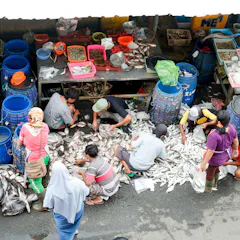
Sea-level rises and storm surges don’t discriminate, but societal structures do.
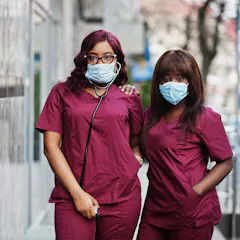
Not only is the health sector feminized, but women — particularly racialized women — are more likely to be in jobs at the low end of the pay scale, but that require prolonged contact with patients.
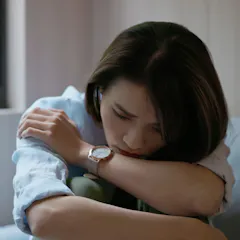
Many young women feel trapped and indebted to their families.
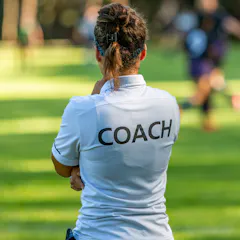
The emotional realities experienced by women coaches are adversely impacting their ability to thrive in a culture that doesn’t recognize or support key parts of their work.
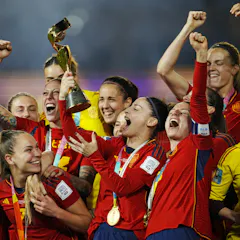
By examining the FIFA Women’s World Cup performances, we can gain insights into the efforts countries are making to address gender inequality beyond sports.
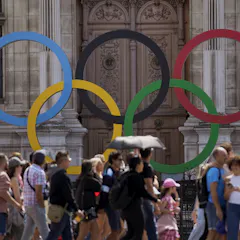
The IOC needs to look beyond gender parity and work with international federations to address athletes’ conditions of participation in sports to achieve true gender equality.

In the Japanese workplace, women face discrimination, restrictive behaviour and appearance codes and a lower glass ceiling than elsewhere. Only a profound cultural shift will change that.

Our new research has tracked the gender of artists working at Australian opera companies and found evidence of pervasive gender inequality.

Sexism and misogyny still rears its head in everyday interactions in the financial services industry, not just in the scandals that hit the headlines.
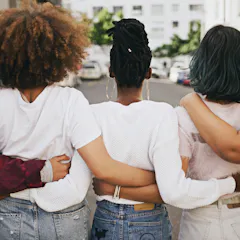
Women’s Day is used to draw attention to the issues women still face in South Africa.
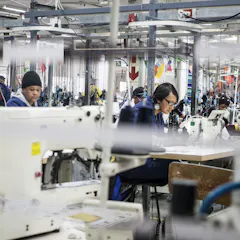
Access to economic and education opportunities increases women’s ability to withstand and recover from financial shocks.

Gender disparities in sport extend to injuries too. Female soccer players are at greater risk for ACL tears than males and it is clear immediate action is needed to address the non-biological factors for the injury.

Despite greater gender equality, some women still prefer traditional gender roles in heterosexual relationships. We set out to discover why.
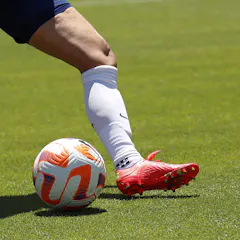
While positive change has been seen, especially surrounding this year’s Women’s World Cup, there is still much work to be done by organizations governing women’s professional sports.

A psychologist and a literary scholar analyse Faceless, a powerful novel about homeless children - and their mothers.

At the beginning of the pandemic, it was predicted that the shift to remote work would lead to more equal division of domestic labour. Recent research shows this was not the case.
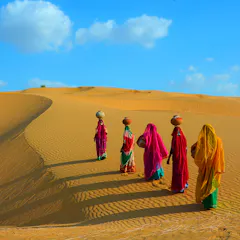
The water crisis is a women’s crisis. Women need to be equal partners in the process of creating more just and effective water governance systems.
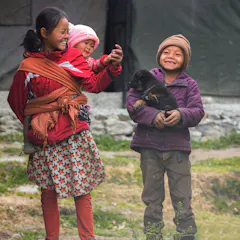
Breaking the cycle of eldest daughter syndrome: tips for families.
Top contributors
-

RBC Professor in Responsible Organizations and Full Professor, Concordia University
-
Professor of Political Science and Chair of the South African Research Initiative in Gender Politics, Stellenbosch University
-
DSTI/NRF Research Chair in Welfare and Social Development, University of Johannesburg
-
Professor of Law, The University of Melbourne
-
Pro Vice-Chancellor, Climate, Sustainability and Inequality and Director, Southern Centre for Inequality Studies, University of the Witwatersrand
-
Senior Lecturer in Creative Industries and ARC DECRA Fellow, The University of Melbourne
-
Senior lecturer, School of Psychology, Deakin University
-
Adjunct Professor, Curtin Law School and Curtin Business School, Curtin University
-
Chief executive officer, Grattan Institute
-
Professor of European Politics and Society, University of Bath
-
Associate Professor in Human Geography, University of Oxford
-
Associate Professor in Finance, University of Canberra
-
Director, XYX Lab, and Professor, Faculty of Art, Design and Architecture, Monash University
-
Assistant Professor of Politics and International Relations, University of Nottingham
-
Lecturer in Global Development Politics, University of York