

The discovery of a fungus fossil is pushing back the origin of these ancient organisms and rewriting what we know about evolution and the tree of life.
Articles on Fossils
Displaying 321 - 340 of 512 articles
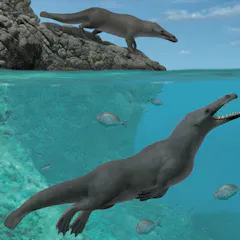
Our flippered friends evolved from small, hooved deer-like creatures more than 50m years ago.
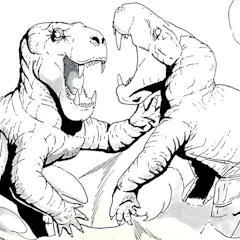
The discovery of a fossilised large predator is a rare event that offers insight into these beasts from the past.
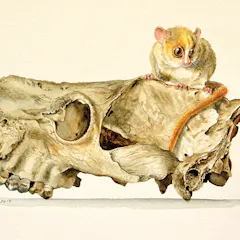
A series of new studies sheds light on the population crash and extinction of the giant birds, lemurs and more that roamed the island until around A.D. 700-1000.
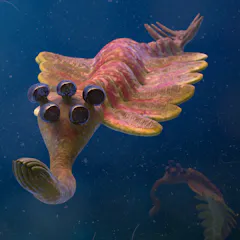
Exceptionally well preserved 500m year old fossils show Cambrian seas were more diverse than scientists had thought.
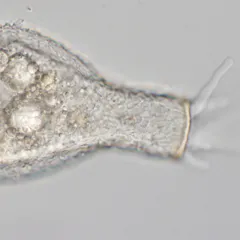
Using the family relationships between single-celled protists alive today, researchers hypothesized what their evolutionary ancestors looked like – and then looked in the fossil record for matches.
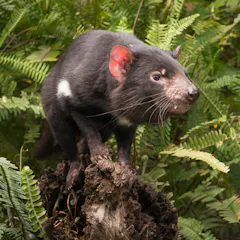
It’s often said you need to look to the past to learn about the future, and that’s what the fossil record can tell about how the Tasmanian Devil survived in the past on mainland Australia.
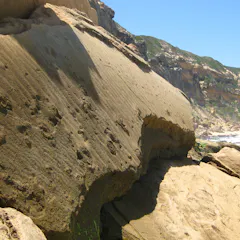
Trackways made by vertebrates during the Pleistocene era, dating back to between 36 000 and 140 000 years helps with research into ancient animals.
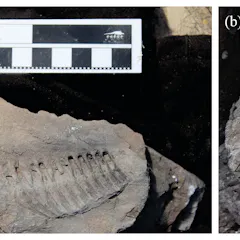
Geomythology can be a powerful way to inspire more people on the continent to become interested in Africa’s palaeoscience.

Thanks to hundreds of fossil remains found in Africa studies can explore new scenarios about how our ancestors lived and evolved.
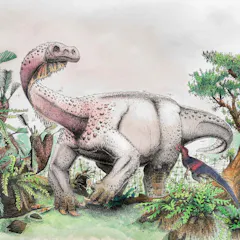
Five major finds this year adds to our understanding of evolution and ancient life history.
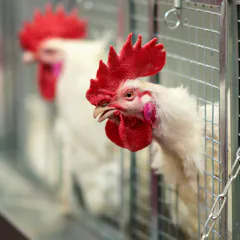
Our research shows that, millions of years from now, fossilised chicken bones will mark the era of human domination.

South Africa’s fossils can step out of the shadows of being undated and undateable.
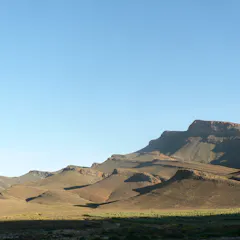
A record of sea-level change from 400 million years ago in South Africa, reveals how ecosystems and environments collapsed at the South Pole.

Palaeontological finds offer a compelling and profound way to think about our place in nature.
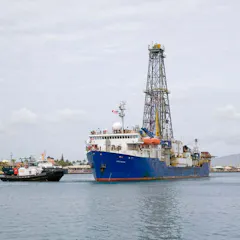
The ocean floor holds unique information about Earth’s history. Scientific ocean drilling, which started 50 years ago, has yielded insights into climate change, geohazards and the key conditions for life.
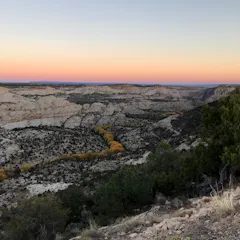
Twenty-two years ago, President Clinton established Grand Staircase-Escalante National Monument for paleontological conservation. As the Trump administration shrinks its borders, that mission is jeopardized.

A tiny percentage of museums’ natural history holdings are on display. Very little of these vast archives is digitized and available online. But museums are working to change that.
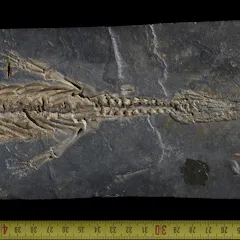
Ancient indigenous people often collected fossil shells, teeth and bones that have provided critical clues about human origins.
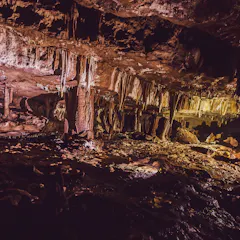
2018 brought the announcement of a new geologic age that covers the last 4,200 years. How do scientists divide up Earth’s timeline and what do these demarcations mean?
Top contributors
-

Research Associate, African Centre for Coastal Palaeoscience, Nelson Mandela University
-
Associate professor in Vertebrate Palaeontology, University of the Witwatersrand
-
Emeritus Strategic Professor in Palaeontology, Flinders University
-
Professor of Vertebrate Palaeontology, University of Bristol
-
Senior Research Scientist, South Australian Museum; Flinders University
-
Associate Professor in Vertebrate Palaeontology, Flinders University
-
Honorary Research Associate, Evolutionary Studies Institute, University of the Witwatersrand
-
Research Associate in the College of Science and Engineering, Flinders University
-
Research Associate, School of Earth and Planetary Sciences, Curtin University
-
Professor of Palaeobiology, University of Leicester
-
Technical Specialist in Earth Sciences, University of Bristol
-
Professor in Geochronology and Geochemistry, Southern Cross University
-
Senior Lecturer in Paleontology and Evolutionary Biology, Life Sciences at the University of Bath, University of Bath
-
Associate Professor in Ancient DNA, University of Otago
-
Lecturer in the School of Applied Sciences, Edinburgh Napier University