

Nearly 60% of Americans enrolled in the Supplemental Nutrition Assistance Program are either children under 18 or adults who are 60 or older.
Articles on Food insecurity
Displaying 21 - 40 of 267 articles
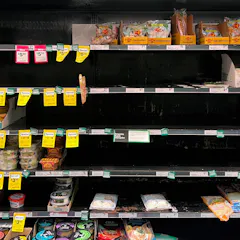
An analysis of 420 million supermarket transactions shows that understanding what people buy – not just where they live – is key to creating healthier communities.

In regional NSW, 1 in 3 people experienced food insecurity in the past year. The rate was double for those who were socially isolated or had a mental illness.

Starting Nov. 1, 2025, Supplemental Nutrition Assistance Program benefits will stop being distributed in Pennsylvania due to the federal government shutdown, which began Oct. 1.

Though Canada, on paper, is committed to an adequate standard of living, it needs social and economic laws to become more enforceable.

Acute malnutrition weakens a child’s immune system, which can lead to severe illness and an increased risk of death.

There are few, if any, alternative sources of food insecurity data that don’t rely on the survey the government is ending.

Going hungry sometimes or often has become increasingly common for many New Zealanders. Solutions need to be targeted to individual or household circumstances.

Students in open, distance and e-learning institutions are under-researched when it comes to food insecurity.

Food insecurity is widespread and shaped by disadvantage – and has serious health consequences.

Severe poverty is not a natural condition – and research indicates that the world has enough resources to eradicate it.

Work requirements will expand and exemptions from them will recede. How much states have to pay will be tied to the prevalence of mistakes, not fraud.

South Africa needs to improve health and social insurance coverage for both internal and international migrants.

It was not pregnancy itself, but resource constraints, that kept Malawian girls from school during and after the pandemic.

The more than $1 billion cut hits already strapped schools and food banks.

Using fast-evolving DNA-based techniques requires awareness, community buy-in, and, most importantly, trust and respect to tackle urgent challenges in the Arctic.
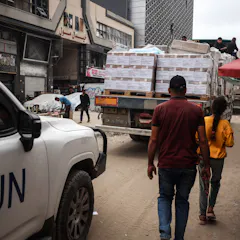
Exposure to accurate reporting over the dire plight of people in Gaza resulted in 5% bump in those in Israel who supported aid convoys.

The Canadian Food Policy Advisory Council offers lessons for strengthening democracy and building participatory governance mechanisms in Canada and beyond.
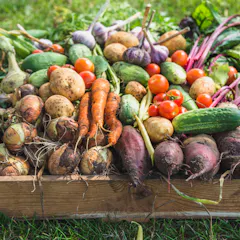
Food co-ops are local groups where people join together to buy food in bulk, usually straight from farmers or wholesalers.

The survey tracked students in Tasmania in 2022 and 2024. More than a quarter are often going without food because they can’t afford it.
Top contributors
-

Associate Professor of Political Science, University of Richmond
-
Professor of Economics, Baylor University
-
Professor of Social Development Studies, University of Johannesburg
-
Professor of Human Development and Family Sciences, University of Connecticut
-
Senior Lecturer in Nutrition and Dietetics, University of Wollongong
-
Professor of Health Studies, Queen's University, Ontario
-
Senior Researcher, Associate Professor: Economic Management Sciences, University of Pretoria
-
Assistant Professor of Nutrition, Texas State University
-
Associate Professor of Allied Health Sciences, University of Connecticut
-
Assistant Professor of Public Health, Indiana University
-
Assistant Professor of Dietetics and Nutrition, University of Dayton
-
Professor of Nutritional Sciences, University of Toronto
-
DSTI/NRF Research Chair in Welfare and Social Development, University of Johannesburg
-
Research Program Coordinator, Food Insecurity, University of Toronto
-
Associate Professor of Nutrition Science, Purdue University