
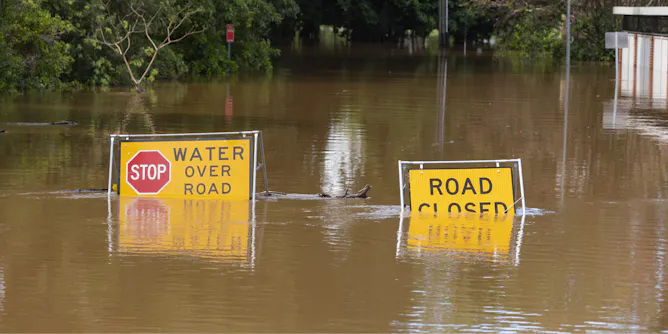
Nature-inspired responses like planting more trees and revegetating wetlands could reduce flooding in the northern rivers.
Articles on Flooding
Displaying 21 - 40 of 561 articles
Increasing flash flooding is exhausting communities as they’re hit again and again.
In mountainous environments, logging can hasten snowmelt, leading to larger floods.
For many isiXhosa-speaking residents, disaster warnings arrive too late, or in language that is difficult to understand.

Extreme storm surges can be predicted much faster with high accuracy thanks to a new AI model that helps researchers and practitioners improve coastal flood risk assessment and adaptation planning.
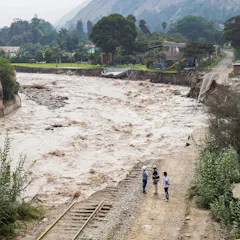
This atmospheric phenomenon can cause floods and droughts across the world.
Research shows we need to air grievances, find areas of agreement between warring factions and allow affected people and planners to debate what’s fair.
Indonesia has a long history of managing floods with canals and other infrastructure. But there are fears the massive project will worsen existing ecological damage.
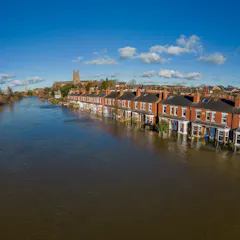
Houses at risk can quickly lose value.
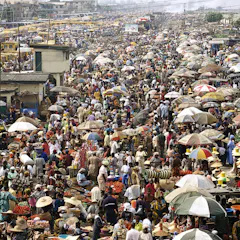
Floods regularly devastate Lagos’s informal workers, but traders and residents have built their own systems to adapt where the state has failed.
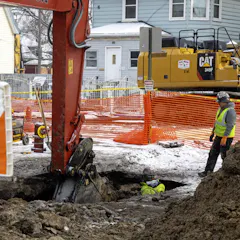
Some Detroit residents spend as much as 25% of their disposable income on water bills. Many are struggling to keep up.
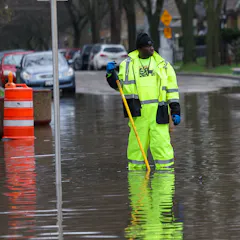
Days of intense rain and snowmelt overwhelmed old dams and breached roads, forcing evacuations. Nearly half the counties in Michigan – often seen as a climate haven – were under a state of emergency.
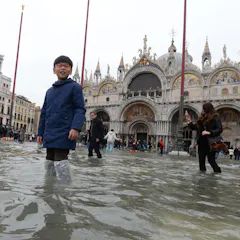
As sea levels rise, Venice’s options are running out. New research shows that even the most ambitious engineering may only delay the inevitable.
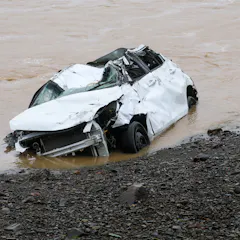
Wellington’s extreme deluge was caused by an unfortunate combination of weather factors. But a warming climate is upping the odds of more of these events in future.

Computer models of the storm hitting different areas show how much damage is possible, yet flood maps still focus on where flooding is most likely instead.
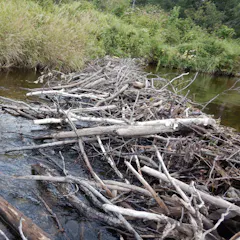
Beaver dams play a key role in the ecosystem but are often considered dangerous, even though they have a limited impact on flooding downstream.
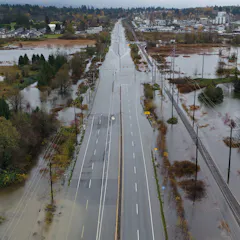
Large floods happen naturally, however, adding or removing forests can change not only their sizes but also how often they occur.

New models show NZ’s heaviest rainfall is likely to grow more intense and frequent, with some regions facing twice as many extreme events by 2100.
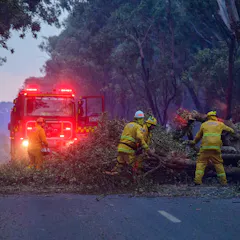
Extreme weather events are increasingly coming in waves, giving communities just days or hours to recover before the next disaster hits.
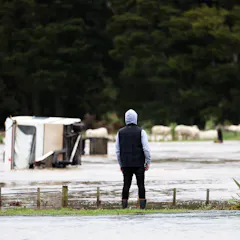
Post-disaster reviews show NZ repeats the same warnings. Breaking the cycle means stronger laws, clearer responsibilities and greater funding.
Top contributors
-

ARC Future Fellow and Associate Professor in Climate Science, ARC Centre of Excellence for 21st Century Weather, The University of Melbourne
-
Adjunct Professor of Environmental Geography, CQUniversity Australia
-
Professor of Geology and Environmental Geosciences, University of Dayton
-
Professor and Director of the Institute for Water Research, Rhodes University
-
Professor of Sociology, Rice University
-
Senior Research Associate, Institute for Environment and Human Security (UNU-EHS), United Nations University
-
Regius Professor of Meteorology and Climate Science, University of Reading
-
Professor of Physical Geography, University of the Witwatersrand
-
Professor of Landscape Architecture and Urban Planning, Texas A&M University
-
Professor Emeritus of Climate and Space Sciences and Engineering, University of Michigan
-
Distinguished Scholar, National Center for Atmospheric Research; Affiliate Faculty, University of Auckland, Waipapa Taumata Rau
-
Research Fellow, Australian Rivers Institute, Griffith University
-
Senior Research Fellow, The University Centre for Rural Health, University of Sydney
-
Professor Emeritus of Risk Management and Insurance, Georgia State University
-
Professor, Department of Forest Resources Management, University of British Columbia