
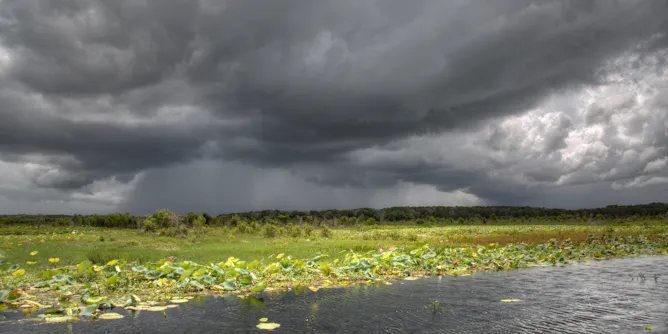
Mosquitoes love the wetter weather La Niña brings to some parts of Australia. But will we see more mosquito-borne disease?
Articles on Flooding
Displaying 381 - 400 of 562 articles
Khartoum, one of Africa’s largest cities, is both blessed and threatened by the dynamics of the Nile Rivers.
New risk models show nearly twice as many properties are at risk from a 100-year flood today than the government’s flood maps indicate.
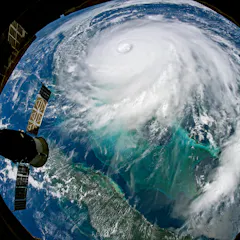
Hurricane stalling has become common over the past half-century, and their average forward speed has also slowed.
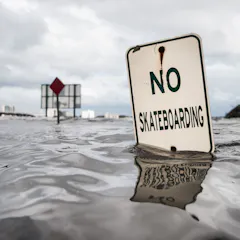
How destructive storm surge gets depends on both the hurricane and the shape of the land.
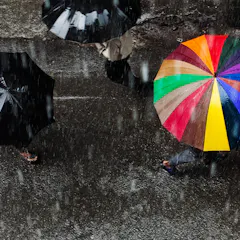
Some rainstorms drench you in a second, while others drop rain in a nice peaceful drizzle. A meteorologist explains how rainstorms can be so different.
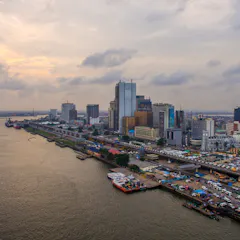
High temperatures, periods of increased relative humidity and more rainfall are likely to happen more in Nigeria’s coastal region under future global warming.
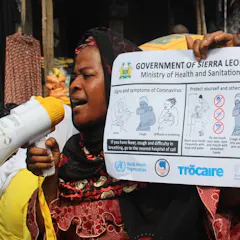
Overlapping disasters of COVID-19 and flooding could be a serious threat for Sierra Leone’s capital Freetown.
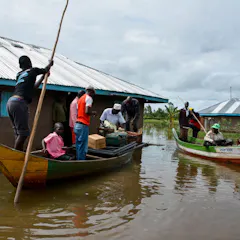
The flooding has affected water resources, agriculture and food security, health and sanitation, fisheries, and energy and infrastructure.
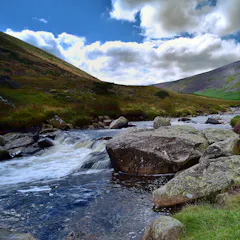
Efforts to engineer Britain’s rivers over the past 75 years have only made flooding worse.
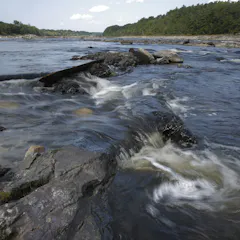
Thousands of dams across the US are aging and overdue for maintenance. Taking them down can revive rivers, restore fish runs and create new opportunities for tourism and outdoor activities.
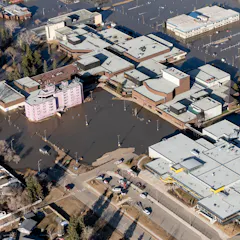
Blaming flooding on an act of God wrongly absolves government and developers of their liability for poor decisions that unfairly burden taxpayers.
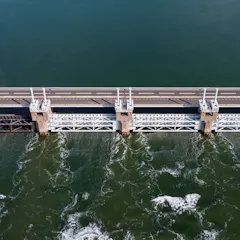
A new study suggests raising dykes along a third of Europe’s coastline, but there are more cost-effective options.
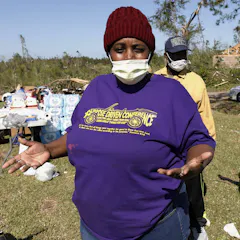
If the forecasts are right, the US could be facing more natural disasters this year – on top of the coronavirus pandemic. Local governments aren’t prepared.
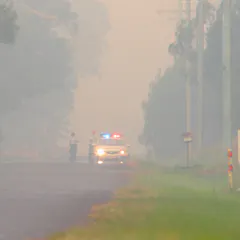
The disasters have come one after another. While they may not be entirely preventable, we can take many practical steps tailored to local needs and conditions to reduce the impacts on our cities.

When resources are drained, people are tired and communities are recovering from trauma, social connection is vital.
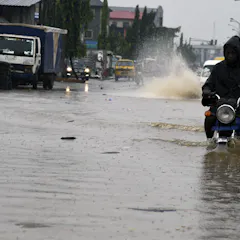
Lagos is vulnerable to heavy storms but the impact can be mitigated with better preparation.
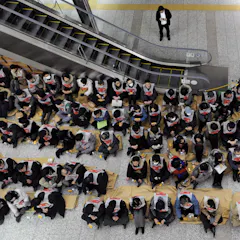
Japan took a fresh approach to ensuring their society was more resilient to the frequent earthquakes they experience. We could learn from its experience.
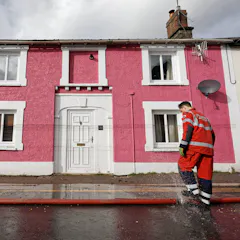
Residents need the necessary support to adapt their homes and make collective decisions about flood prevention.

Coming to a river catchment near you: a rodent crack team ready to reduce flooding and boost biodiversity.
Top contributors
-

ARC Future Fellow and Associate Professor in Climate Science, ARC Centre of Excellence for 21st Century Weather, The University of Melbourne
-
Adjunct Professor of Environmental Geography, CQUniversity Australia
-
Professor of Geology and Environmental Geosciences, University of Dayton
-
Professor and Director of the Institute for Water Research, Rhodes University
-
Professor of Sociology, Rice University
-
Senior Research Associate, Institute for Environment and Human Security (UNU-EHS), United Nations University
-
Regius Professor of Meteorology and Climate Science, University of Reading
-
Professor of Physical Geography, University of the Witwatersrand
-
Professor of Landscape Architecture and Urban Planning, Texas A&M University
-
Professor Emeritus of Climate and Space Sciences and Engineering, University of Michigan
-
Distinguished Scholar, National Center for Atmospheric Research; Affiliate Faculty, University of Auckland, Waipapa Taumata Rau
-
Research Fellow, Australian Rivers Institute, Griffith University
-
Senior Research Fellow, The University Centre for Rural Health, University of Sydney
-
Professor Emeritus of Risk Management and Insurance, Georgia State University
-
Professor, Department of Forest Resources Management, University of British Columbia