
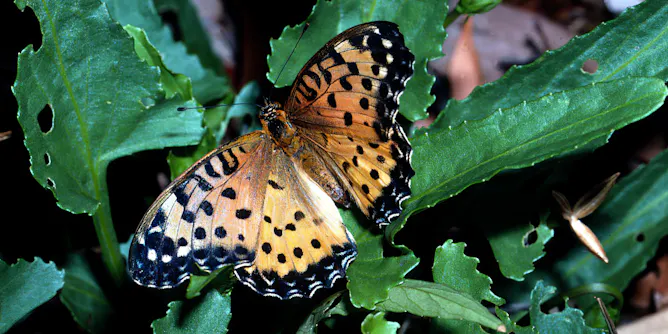
Australia’s threatened species keep declining. But there are concrete ways to help, from wildlife friendly gardens to leashing your dog.
Articles on Extinction
Displaying 121 - 140 of 420 articles
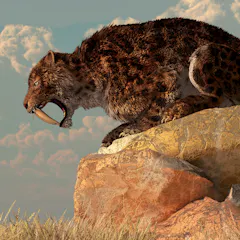
Researchers are analyzing the fossil cranium of a Smilodon fatalis that lived more than 13,000 years ago to learn more about the lifestyle of this iconic big cat.
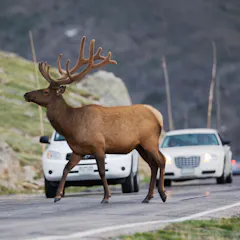
Exactly how animal populations are affected by roadkill has remained unclear – until now.
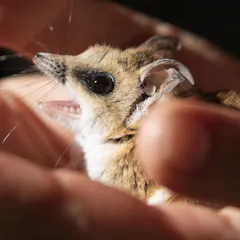
Ever wondered what it takes to get on the threatened species list? This explainer demystifies the rigorous process, using the cute little predator that stores energy in its tail as an example.
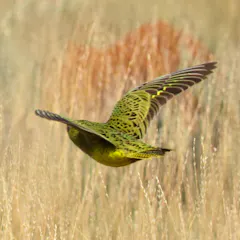
A wonky skull. Enlarged ear chambers. Asymetrical ears. It looks like the elusive night parrot has traded off vision for excellent hearing
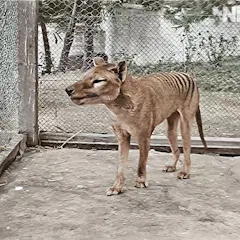
Australia still feels the thylacine’s presence in its landscape, wildlife and culture. A new book explores everything we know about the thylacine and the hope of a return.
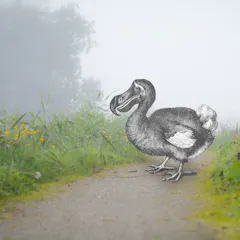
Two conservation scholars break down what de-extinction looks like – and the debate over whether it could do any good.
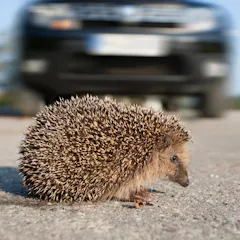
Research on Denmark’s hedgehogs offers insight into their cause of death – and how to help them.
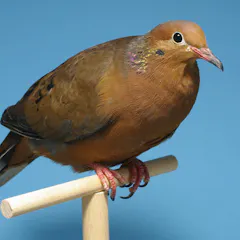
Surviving solely in zoos and botanic gardens are 33 animal and 39 plant species.
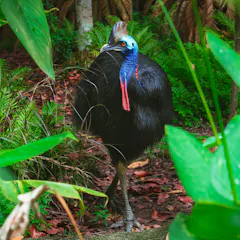
Dozens of species have been coaxed back from oblivion, with fenced havens, conserved habitat, islands and feral predator control vital.
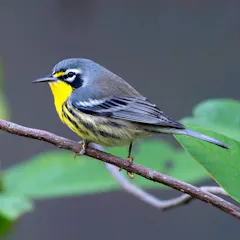
The Bahama warbler favours large pine trees and palms, fieldwork shows.
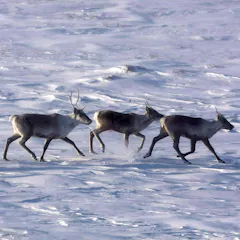
To guard against extinction, we must advocate for common species.
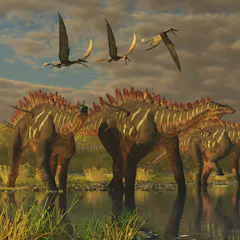
Birds and dinosaurs lived together for millions of years, but only toothless birds survived the asteroid impact that upended life on Earth.

A puzzle over the identity of an extinct bird that laid eggs across Australia has been solved.
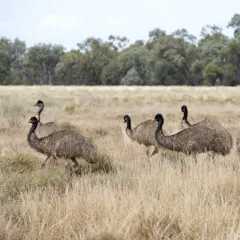
Tasmania’s emus were hunted to extinction in the mid-1800s but we could have them back – and their return could help other species survive climate change.
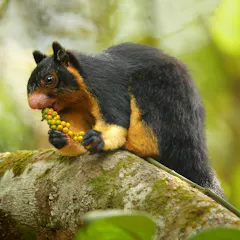
Rodents are the most numerous – and least studied – of all Earth’s mammals.
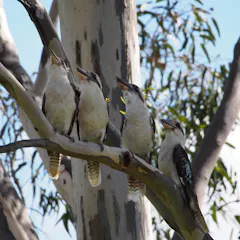
The planet is entering its sixth mass extinction event. This global nature summit is our best change to stop this tide of destruction.
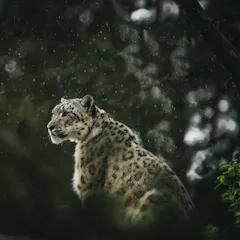
New research finds nearly 30% of land animals could disappear form their local area by 2100 due to climate change and habitat destruction. This is more than double previous predictions.
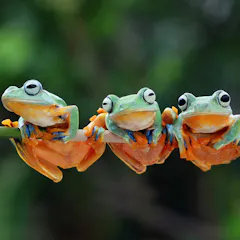
Negotiators hope to put humanity on a path to harmonious coexistence with nature by 2050.
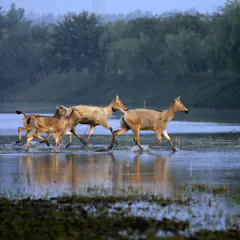
China has rich natural resources and is seeking to play a leadership role in global conservation, but its economic goals often take priority over protecting lands and wildlife.
Top contributors
-

Professor of Conservation Biology, Charles Darwin University
-
Professor in Wildlife Ecology and Conservation, School of Life & Environmental Sciences, Deakin University
-
Professor of Conservation and Sustainable Livelihoods, Charles Darwin University
-
Matthew Flinders Professor of Global Ecology and Node Leader in the ARC Centre of Excellence for Indigenous and Environmental Histories and Futures, Flinders University
-
Professor in Conservation Science, School of the Environment, The University of Queensland
-
Professor of Wildlife Conservation, Australian National University
-
Distinguished Professor of Ecology, Fenner School of Environment and Society, Australian National University
-
Associate Professor in Vertebrate Palaeontology, Flinders University
-
Professor in Conservation Science, School of Ecosystem and Forest Science, The University of Melbourne
-
Professor, Urban Ecology and Biodiversity, The University of Melbourne; RMIT University
-
University Fellow in Biodiversity, Charles Darwin University
-
Professor of Environmental Management, The University of Queensland
-
Lecturer in the School of Applied Sciences, Edinburgh Napier University
-
Honorary Research Fellow, University of Sydney
-
Distinguished Research Professor and Australian Laureate, James Cook University