
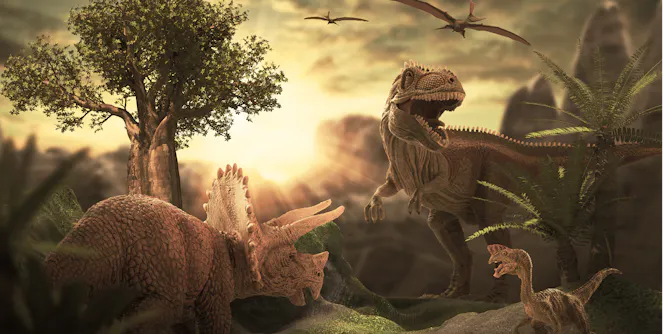
If the asteroid caused the very sudden end of the dinosaurs, a new study shows that their decline had begun 10 million years earlier.
Articles on Extinction
Displaying 181 - 200 of 421 articles
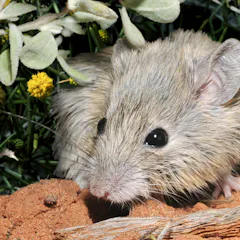
The remaining populations are threatened by a lack of genetic diversity, which makes them less likely to bounce back from new pressures such as climate change.
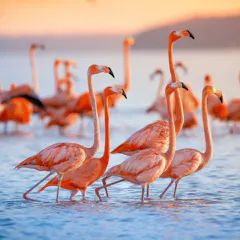
The lives of one in ten of Earth’s species are connected to lakes and their tributaries.

Research into fox scents suggests a complex form of ‘chemical communication’ underlies the animal’s behaviour. The findings could help improve pest control methods and protect native wildlife.

The famous deaths of moas and dodos has fed a narrative in which humans are agents of extinction for island-dwelling animals. But research suggests this only recently became the case.
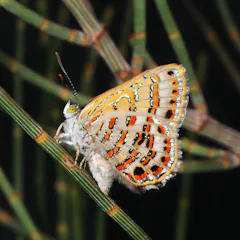
There’s still a very good chance of recovery for most of these species, but only with new targeted conservation effort.
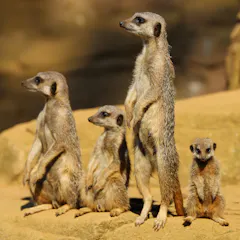
Tracking species over their lifetimes can reveal their climate adaptation secrets.
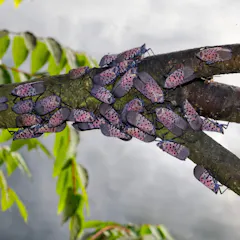
Invasive species have been invading foreign territories for centuries. By quantifying the mammoth economic impacts, we hope political leaders will start to take notice.
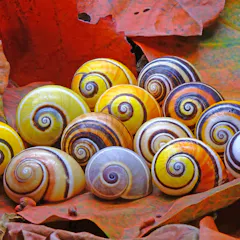
To get a grip on the biodiversity crisis, we’ll need to understand how wildlife is threatened in our own backyard.
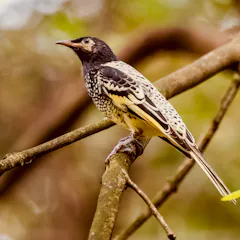
In healthy populations, the song of regent honeyeaters is complex and long. But where the population is very small, the song is sadly diminished.

By only focusing on preserving the genetic purity of a species, conservationists risk the extinction of isolated populations.
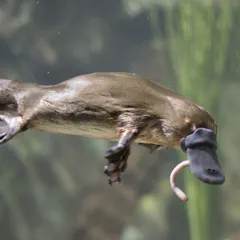
As ecologists, we’ve seen first-hand how Australia’s nature laws have permitted environmental degradation and destruction to the point of extinction.
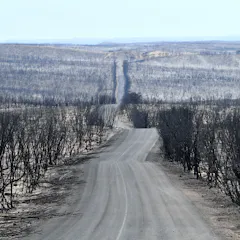
Humanity is destroying Earth’s ability to support complex life. But coming to grips with the magnitude of the problem is hard, even for experts.

Not all frogs ‘ribbit’ — some sound like a motorbike changing gears or a tennis ball being hit. This summer, keep your eyes and ears out for these Aussie frogs.
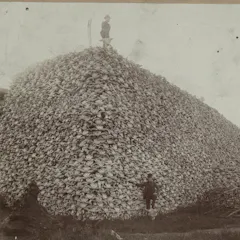
Historical photographs of bison extermination are a window into a history of relationships between humans, bison and the environment.

Evolution towards flightlessness has been much more common through history than scientists once thought.
Driven by a desire to eliminate pain, some people have shockingly advocated taking the rest of nature with us.
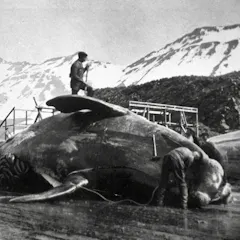
For 200 years, a small number of countries have exploited the marine wildlife of Antarctica, often with devastating impact on their populations.
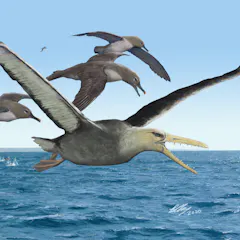
Paleontologists have discovered fossil remains belonging to an enormous ‘toothed’ bird that lived for a period of about 60 million years after dinosaurs.
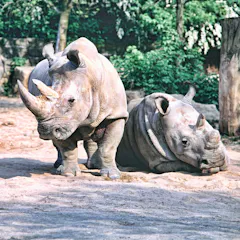
By unlocking the full potential of rhino ovaries, we hope to produce enough eggs to revive the northern white rhino in the wild.
Top contributors
-

Professor of Conservation Biology, Charles Darwin University
-
Professor in Wildlife Ecology and Conservation, School of Life & Environmental Sciences, Deakin University
-
Professor of Conservation and Sustainable Livelihoods, Charles Darwin University
-
Matthew Flinders Professor of Global Ecology and Node Leader in the ARC Centre of Excellence for Indigenous and Environmental Histories and Futures, Flinders University
-
Professor in Conservation Science, School of the Environment, The University of Queensland
-
Professor of Wildlife Conservation, Australian National University
-
Distinguished Professor of Ecology, Fenner School of Environment and Society, Australian National University
-
Associate Professor in Vertebrate Palaeontology, Flinders University
-
Professor in Conservation Science, School of Ecosystem and Forest Science, The University of Melbourne
-
Professor, Urban Ecology and Biodiversity, The University of Melbourne; RMIT University
-
University Fellow in Biodiversity, Charles Darwin University
-
Professor of Environmental Management, The University of Queensland
-
Lecturer in the School of Applied Sciences, Edinburgh Napier University
-
Honorary Research Fellow, University of Sydney
-
Distinguished Research Professor and Australian Laureate, James Cook University