

Heart rate zones are a measure of exercise intensity based on a percentage of your maximum heart rate.
Articles on Exercise
Displaying 201 - 220 of 800 articles
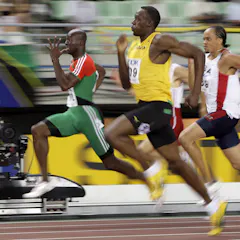
Your sprinting skills have a lot to do with genetics, but your brain also plays a big role.

The more ours joints are used, the stronger the bones and muscles surrounding them become.

Does weight come back when you stop taking drugs like Ozempic? Are these medications simply another (expensive) form of yo-yo dieting? Here’s what we know so far.

Children who play a lot learn skills such as sitting, crawling and standing quicker. Play also leads to better health and wellbeing as they grow older.

We don’t tell people taking statins to treat high cholesterol or drugs to manage high blood pressure they’re cheating or taking the easy way out. Nor should we when people take drugs like Ozempic.

Esports, obstacle course racing and pickleball are becoming more and more popular, but how do they impact physical and mental health?

Setting realistic and measurable goals and giving yourself a little treat when you meet them can help power your fitness motivation through the darker months.
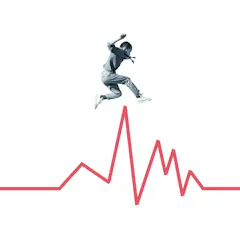
Both high- and moderate-intensity exercise provides similar overall health benefits.

There are ways to incorporate strength-training components into walking to improve your muscle strength and balance.

Office workers are sedentary for hours at a time. Our research looked at what they should do to stay healthy.
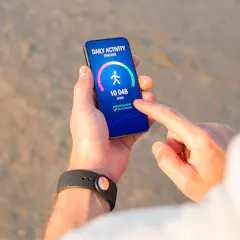
Offering financial incentives for exercise may be one way of stimulating, and sustaining, a more active lifestyle. Research suggests that even after rewards stop, exercise gains mostly persist.

We really ought to be sitting less. Seriously.

The Fair Work Commission is considering basic rights to work from home. Here’s what the evidence says about the impacts of working from home on physical health and mental wellbeing.

Education and advice, as well as exercise, can play a role in the management of shoulder pain.
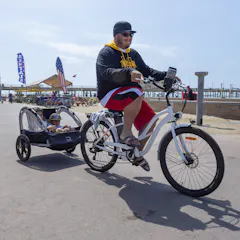
Many incentive programs promote e-bike use, but they aren’t necessarily targeting the right people for the right reasons.

Medical devices have a legal definition, but the lines might become blurred in future.
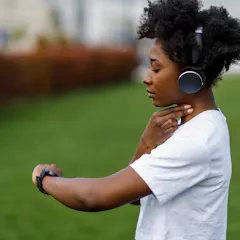
People who regularly engage in significant amounts of exercise, as endurance athletes do, may develop enlarged hearts. While athletic heart is adapted for performance, it can be cause for concern.

Our new study shows you may be able to walk, run, lift or dance away depression. And the more intense your exercise program, the better.
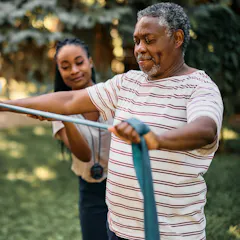
People with disability gain many benefits from being physically active, from greater movement to improved mental health. But options for community-based physical activity are limited.
Top contributors
-

Lecturer in Exercise Science, Adelaide University
-
Senior Lecturer in Clinical Exercise Physiology, University of East London
-
Professor of Physical Activity, Lifestyle, and Population Health, University of Sydney
-
Professor of Exercise Physiology, Anglia Ruskin University
-
Professor of Health Sciences, Simon Fraser University
-
Senior Lecturer in Performance Analysis of Sport, Nottingham Trent University
-
Professor of Nutritional Physiology, Anglia Ruskin University
-
Lecturer in Physiotherapy, Adelaide University
-
Professor of Health Sciences, Adelaide University
-
Course Lead, Sheffield Hallam University
-
Professor, research professor in exercise, nutrition and activity, Adelaide University
-
Senior Lecturer, Exercise Physiology. School of Health Sciences, UNSW
-
Research Fellow, Allied Health & Human Performance, Adelaide University
-
Lecturer, School of Sport, Rehabilitation and Exercise Sciences, University of Essex
-
Reader in Exercise and Health Physiology, University of Hertfordshire