
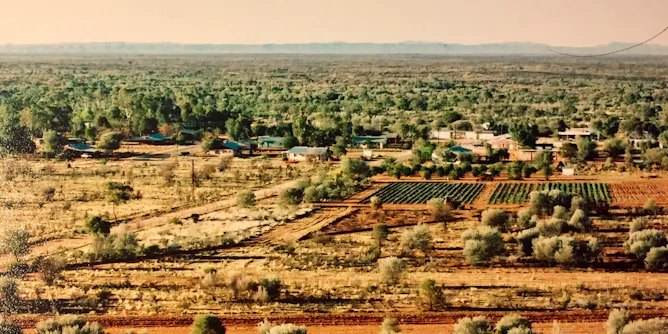
Drinking water in Australia can be contaminated by natural and manmade processes, especially in communities. Innovation is needed to ensure water is ‘fit for purpose, place and people’.
Articles on Drinking water
Displaying 141 - 160 of 185 articles
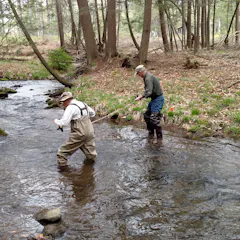
When people form local networks to take care of resources such as drinking water, they strengthen their communities. Technology can support these efforts and promote learning and innovation.

On the outskirts of Bangalore, families must piece together drinking water from communal supplies, intermittently available tap water, and “water ATMs”.
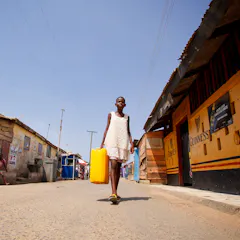
Providing people with clean drinking water and sanitation is less expensive than grid electrification and it could improve more lives.
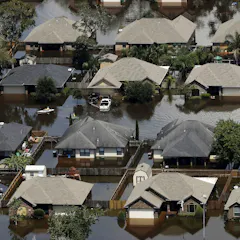
Many people board up their houses and stay in place during disasters – but often they aren’t prepared to go without water, power or transportation for days or weeks afterward.
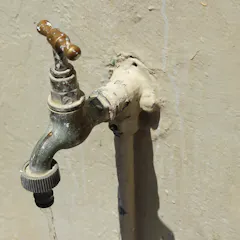
Unless African cities improve water management many will face severe water problems by 2035.
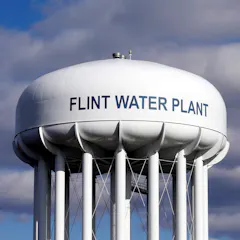
If Elon Musk can help achieve safe drinking water more quickly for every home in Flint, Mich., then he should be lauded. Water is life.
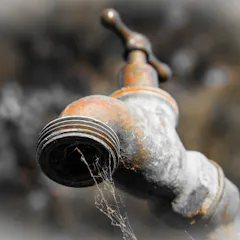
An audit of Sydney’s drinking water has found worryingly high salinity. If the biggest water catchment in the country has problems, what about regional and rural Australia?

Michigan officials have ended distribution of free bottled water in Flint, but many residents believe the city’s water crisis is not over and have lost all trust in government.

Scientists often use animals and plants as indicators to assess whether ecosystems are polluted. Tracking bats, which cover wide areas and need clean water, could become a way to find potable water.

Recent research shows that US rivers are becoming saltier and more alkaline. Salt pollution threatens drinking water supplies and freshwater ecosystems, but there is no broad system for regulating it.
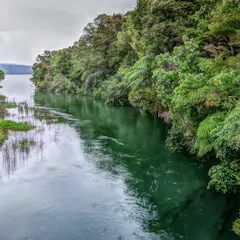
The ecological health of New Zealand’s lowland rivers and lakes is in decline, but principles borrowed from drinking water safety could help reverse the degradation.
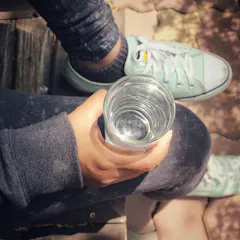
We’ve all hear we should drink eight glasses of water per day, but where did that advice come from, and is it outdated?
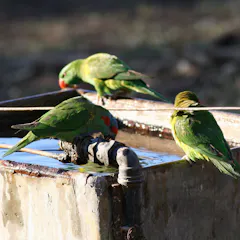
Every year councils around Australia compete to prove they have the best-tasting tap water in the country.
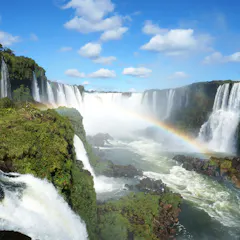
Water is one of our most precious resources, yet it’s in danger. World Water Day reminds us of the need to develop policies and governance to avoid squandering water.
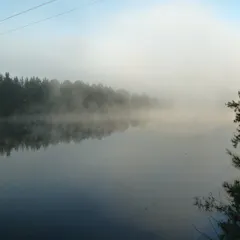
Perth is looking at recycling all its sewage in the city’s future water supply. But many Australians’ drinking water already contains indirectly recycled treated sewage.
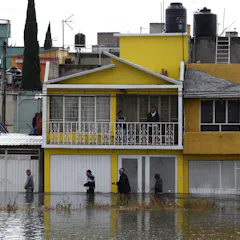
In many Mexican cities, water is treated as a political bargaining chip – a favor that public officials can trade for votes, bribes or power.

We think of Canada as a water-rich country, but we are not immune to water shortages or disasters. With some advance planning, Canada can avoid a water catastrophe.
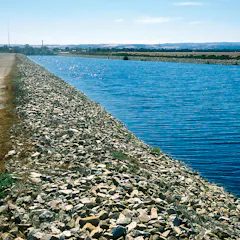
Cities all over the world are facing growing challenges to provide clean, reliable water. And many of the fixes, such as desalination plants, have a huge carbon footprint.

Much of the discussion about “Take a Knee” has overlooked the issues of justice and social exclusion, and especially environmental matters. That’s something to think about during the Super Bowl.
Top contributors
-

Associate Professor in Environmental Science, Western Sydney University
-
Professor of Civil, Environmental and Ecological Engineering, Purdue University
-
Senior Lecturer, Western Sydney University
-
Professor of Earth Sciences and Executive Director, Environmental Resilience Institute, Indiana University
-
Assistant Professor of Environmental Health, Middlebury College
-
Professor of Integrated Water Systems, University of Sheffield
-
Professor of Community Health and Wellbeing, The University of Queensland
-
Executive Co-Director, UNU Hub on Empowering Communities to Adapt to Environmental Change, United Nations University; University of Calgary
-
Research Scientist, Knowledge Mobilization, Global Insitute for Water Security, Global Water Futures Program, University of Saskatchewan
-
Visiting Adjunct Professor, School of Governance, University of the Witwatersrand
-
Associate Professor of Water Resources, University of California, Santa Barbara
-
Lillian Gilbreth Postdoctoral Fellow, Purdue University
-
Director, Nephrology and Kidney Care Services, Melbourne Health
-
Associate Professor of Environmental Studies, University of California, Santa Barbara
-
Distinguished Professor and Director, Global Water Futures Programme, University of Saskatchewan