
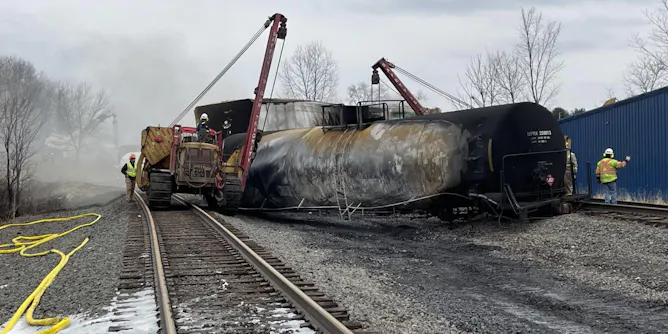
The slow release of information about the chemical spill and results of air and water tests have left many questions about the risks and long-term impact.
Articles on Drinking water
Displaying 61 - 80 of 185 articles
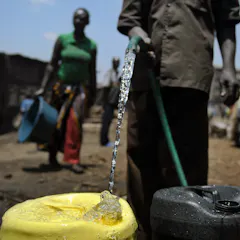
Digital technology is changing the way water is accessed in Ghana. Water ATMs are gaining traction as a means to an end.
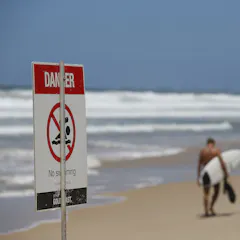
When a loved one is struggling in the water, you might want to rush in to save them. But make sure you stop and think or you could become the one in trouble.

If you don’t consume enough water, you may experience symptoms of dehydration such as headaches, dizziness, tiredness, low concentration, constipation and a dry mouth.

There simply aren’t enough water engineers in New Zealand for the massive Three Waters projects. Matching capacity with forward planning is an urgent issue the government must address.
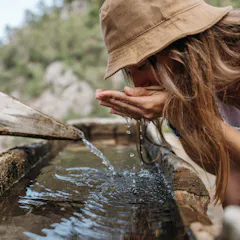
If you’re on holidays, the water may taste different. But is it safe to drink?
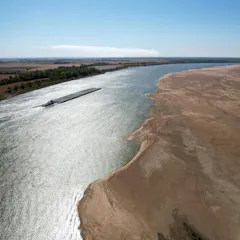
Record low water levels on the Mississippi and other major rivers, as seen in 2022, could become more common, threatening transportation of many key goods and raising prices.

A new report finds tap water in more than 500 remote Indigenous communities isn’t regularly tested. But here’s why this isn’t news to us.
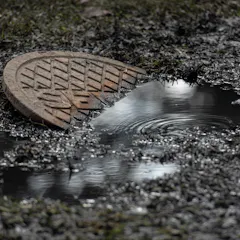
Congress has approved billions of dollars to fix water and sewer systems across the US. But getting that money to needy communities depends on how states define a key word.
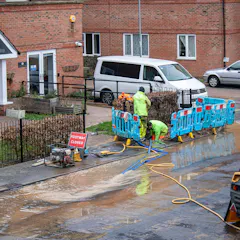
Unless action is taken, the UK will be unable to supply its own water needs in the future – we should look to water-scarce regions such as California for inspiration.
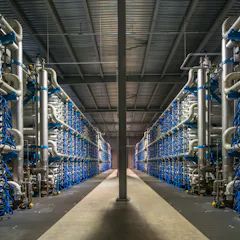
Nearly 97% of the world’s water is in the oceans, but desalination is no magic bullet for water-stressed coastal cities.
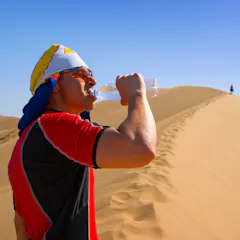
Drinkable water resources are becoming increasingly scarce. Are technologies such as desalination capable of averting such a crisis?

Rainwater may be contaminated with chemicals and scientists are still uncertain about their effects.
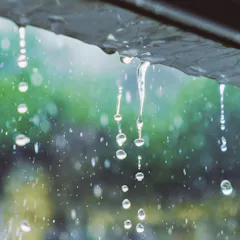
Rainwater is a vital resource in many communities, but it’s not always safe to use. This sustainable and cheap invention could help many households in remote areas.
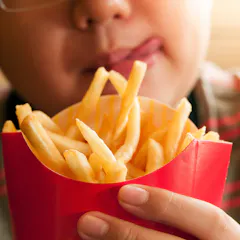
Studies show that most people who are overweight or obese are also chronically dehydrated.
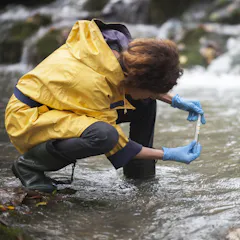
These chemicals are now present in water, soil and living organisms and can be found across almost every part of the planet – including 98% of the American public.

Access to safe water means more than building treatment plants: A study sheds light on water consumption and perceptions of water in Indigenous communities in the Northwest Territories and Yukon.
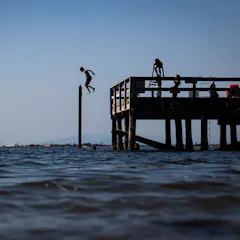
Rough surf and nearshore currents lead to about 50 drowning fatalities annually in the Great Lakes.
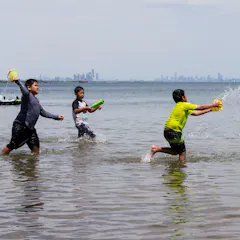
Cleaning up the Great Lakes was a big job when the US and Canada undertook it in 1972. Today it’s far more challenging.
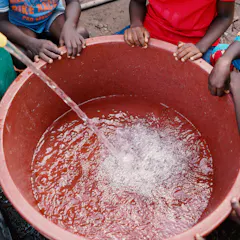
Evidence suggests that involving marginalised communities in setting priorities and designing collective action can lead to improved health outcomes.
Top contributors
-

Associate Professor in Environmental Science, Western Sydney University
-
Professor of Civil, Environmental and Ecological Engineering, Purdue University
-
Senior Lecturer, Western Sydney University
-
Professor of Earth Sciences and Executive Director, Environmental Resilience Institute, Indiana University
-
Assistant Professor of Environmental Health, Middlebury College
-
Professor of Integrated Water Systems, University of Sheffield
-
Professor of Community Health and Wellbeing, The University of Queensland
-
Executive Co-Director, UNU Hub on Empowering Communities to Adapt to Environmental Change, United Nations University; University of Calgary
-
Research Scientist, Knowledge Mobilization, Global Insitute for Water Security, Global Water Futures Program, University of Saskatchewan
-
Visiting Adjunct Professor, School of Governance, University of the Witwatersrand
-
Associate Professor of Water Resources, University of California, Santa Barbara
-
Lillian Gilbreth Postdoctoral Fellow, Purdue University
-
Director, Nephrology and Kidney Care Services, Melbourne Health
-
Associate Professor of Environmental Studies, University of California, Santa Barbara
-
Distinguished Professor and Director, Global Water Futures Programme, University of Saskatchewan