
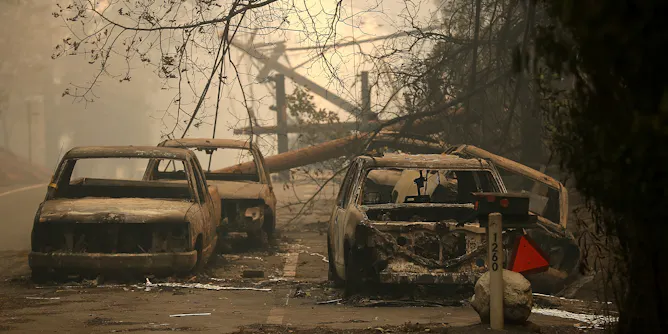
Buildings aren’t the only things at risk in wildfires. Recent disasters in California have left local water system contaminated with toxic chemicals afterward, slowing return and recovery.
Articles on Drinking water
Displaying 101 - 120 of 185 articles

When two or more epidemics co-exist and compound one another to worsen health, they are said to be syndemic. COVID-19 is feeding on other crises and diseases.
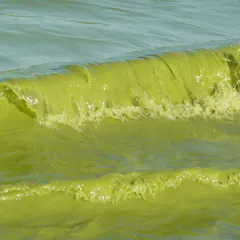
Warmer waters, heavier storms and nutrient pollution are a triple threat to Great Lakes cities’ drinking water. The solution: Cutting nutrient releases and installing systems to filter runoff.
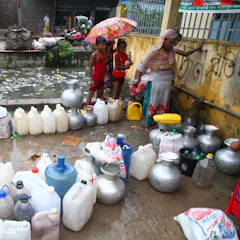
Water is essential for health, economic well-being and social equity, but too many people around the world still don’t have access to clean drinking water and sanitation.
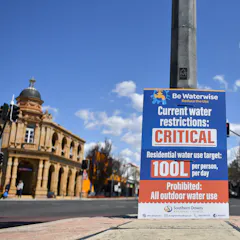
Five capital city water storages fell over summer, and some appear to be facing dramatic long-term declines. Late drenching rains fell on southeastern Australia, but some unlucky centres missed out.
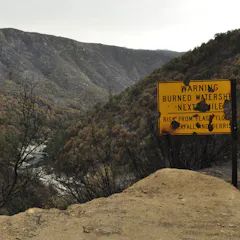
Wildfires reduce the reliability of city water supplies in North America. But active forest management provides a key to the solution.
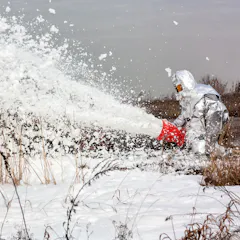
Researchers continue to find PFAS-contaminated sites and waterways. Perhaps it is time to consider wider bans on these persistent chemicals.
The water that replenishes groundwater, rivers and lakes is under threat from climate change, pollution and aging infrastructure.
Damage to water supply infrastructure and catchments during and after bushfires inhibits the treatment processes that normally make our water safe to drink.
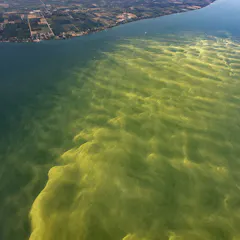
The Great Lakes contain reservoirs of legacy contaminants, mostly in their sediments, that are vulnerable to resuspension.
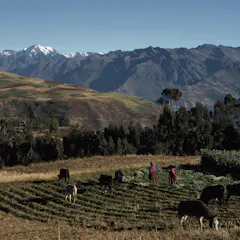
Global heating could reduce mountain glacier snow and ice by up to 80% by 2100, threatening major drinking water supplies.

The prices households pay for drinking water and wastewater services have been rising faster than the rate of inflation.
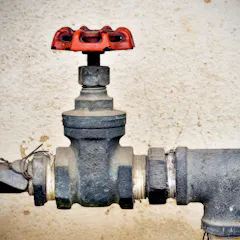
An investigation showed that five Canadian cities had lead levels in their water on par with those in Flint, Mich. during its peak period of water contamination.
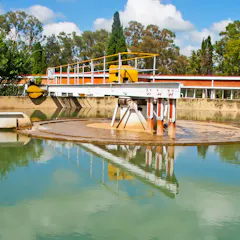
The real crisis with water supply is that South Africa doesn’t know what it doesn’t know.
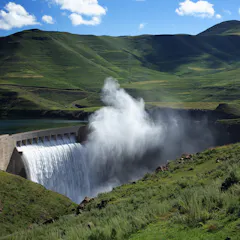
South Africa’s Department of Water and Sanitation has plans in place to ensure adequate water supply until 2040 and beyond.
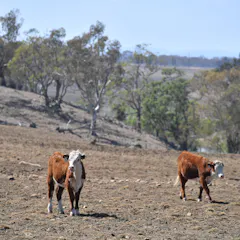
Once water is used in washing, cleaning or even sewerage it can be safely and reliably treated. The treated water is then safe to drink – identical to the original water.
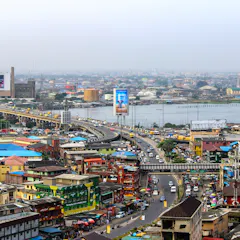
The foundations of orderliness for any city are planning and management. Lagos had this in place in the early days.

Newark is the latest US city to struggle with high lead levels in drinking water. Ending this public health crisis will require more money and enforcement, plus stricter water testing standards.
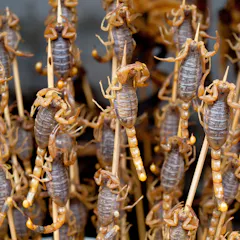
Disgust has its evolutionary advantages, but is also a barrier to more sustainable consumption. Marketing may help.
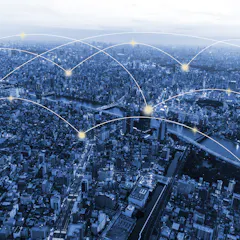
Nuclear threats are serious – but officials, the media and the public keep a close eye on them. There’s less attention to the dangers of cyberattacks, which could cripple key utilities.
Top contributors
-

Associate Professor in Environmental Science, Western Sydney University
-
Professor of Civil, Environmental and Ecological Engineering, Purdue University
-
Senior Lecturer, Western Sydney University
-
Professor of Earth Sciences and Executive Director, Environmental Resilience Institute, Indiana University
-
Assistant Professor of Environmental Health, Middlebury College
-
Professor of Integrated Water Systems, University of Sheffield
-
Professor of Community Health and Wellbeing, The University of Queensland
-
Executive Co-Director, UNU Hub on Empowering Communities to Adapt to Environmental Change, United Nations University; University of Calgary
-
Research Scientist, Knowledge Mobilization, Global Insitute for Water Security, Global Water Futures Program, University of Saskatchewan
-
Visiting Adjunct Professor, School of Governance, University of the Witwatersrand
-
Associate Professor of Water Resources, University of California, Santa Barbara
-
Lillian Gilbreth Postdoctoral Fellow, Purdue University
-
Director, Nephrology and Kidney Care Services, Melbourne Health
-
Associate Professor of Environmental Studies, University of California, Santa Barbara
-
Distinguished Professor and Director, Global Water Futures Programme, University of Saskatchewan