
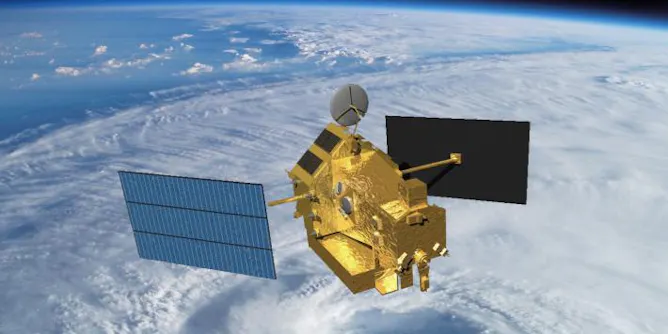
Climate change threatens the water supply of nations around the world. But it’s difficult to measure whether a region has sufficient water to satisfy the people who live there. Could satellites help?
Articles on Drinking water
Displaying 121 - 140 of 185 articles
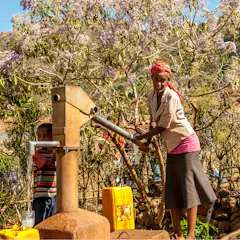
Good news – underground aquifers could be a reliable source of drinking water in sub-Saharan Africa even as the climate warms.
Millions of Americans rely on groundwater for their lives and livelihoods, but regulation is piecemeal. A new study maps groundwater wells nationwide and finds that they are drilling steadily deeper.
Hitting the Paris targets will go a long way to securing Melbourne’s water supply against future pressure.
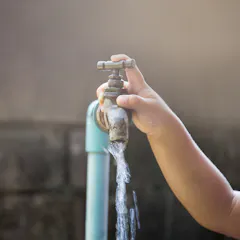
In Indonesia, not all children can get clean and safe drinking water. The latest research shows this can drive them to consume sweet beverages instead, posing a risk to their health.
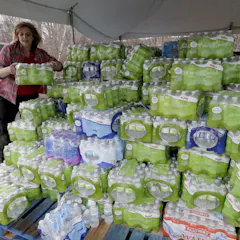
A grade of 92 is an A at most schools, but for tap water it means that millions of Americans drink water that fails to met federal standards.
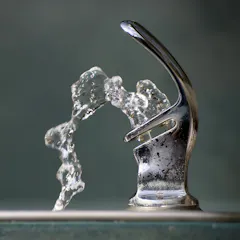
In many municipalities, aging water infrastructure is serving fewer people than it was built to accommodate. Out of sight has meant out of mind – but resulting changes in water quality may affect safety.
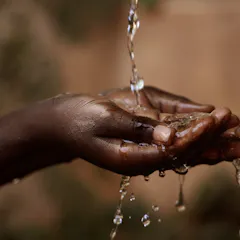
Decision making on water infrastructure in peri-urban areas is challenging. But lessons have been learnt from a water project in Mozambique.
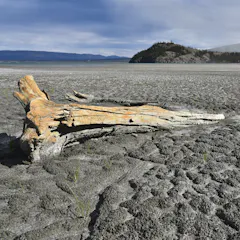
Extreme events, from floods to droughts to polluted drinking water threatens Canadians’ safety.
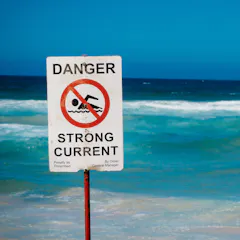
Just because a beach is accessible, has restaurants, lounge chairs and vendors, and is near a resort, does not mean it’s safe.
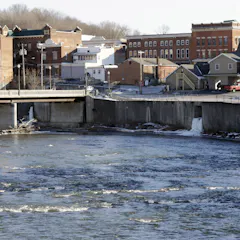
EPA is moving to regulate two chemicals from a group called PFAS that are contaminating drinking water. A public health expert explains why the agency should take much broader action.
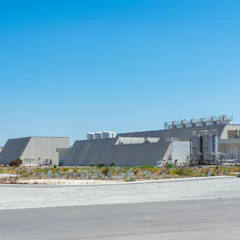
Sydney and Melbourne are bringing desalination plants back on stream and Adelaide plans to increase its plant’s output. Perth depends on desalination. But is it the best way to achieve water security?

The Trump administration wants to end federal protection under the Clean Water Act for many small streams and wetlands. But as a geoscientist explains, these are critical parts of large river systems.
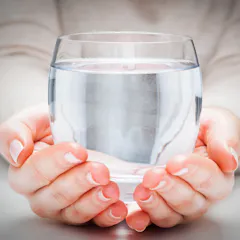
Nitrate in drinking water has been linked to an increased risk of colorectal cancer. That could have implications for some parts of New Zealand where nitrate levels are high.
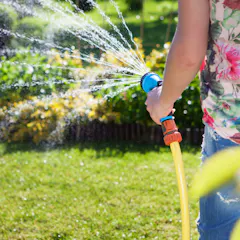
Plants can find it tough to get all the nitrogen they need, especially from Australian soils. But summer storms can provide an added boost.
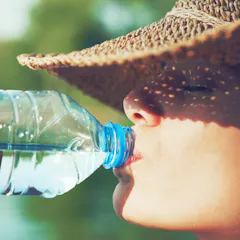
Most of us get thirsty when we need to drink more water. But there are other tell-tale signs that not all is well.

Chlorine has been used to disinfect drinking water for more than a hundred years. But new alternatives may be safer.
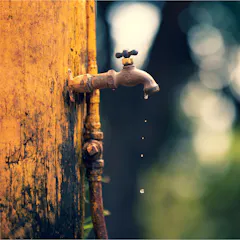
Of Australia’s capital cities, Perth has the saltiest tap water, while Melbourne, Hobart, Darwin and Canberra have the least salty. And while all are within guidelines, the variation is striking.
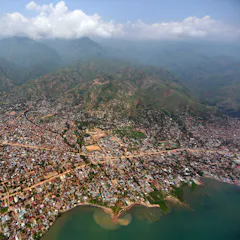
In the fight against cholera, new research in the DRC suggests that the rehabilitation of water networks would be more sustainable than other interventions whose effectiveness is debatable.
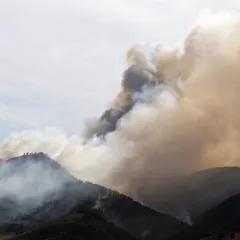
Some observers have blamed recent wildfires on poor forest management, while others point to climate change. In fact, a climate scientist explains, reducing fire risks means tackling both issues.
Top contributors
-

Associate Professor in Environmental Science, Western Sydney University
-
Professor of Civil, Environmental and Ecological Engineering, Purdue University
-
Senior Lecturer, Western Sydney University
-
Professor of Earth Sciences and Executive Director, Environmental Resilience Institute, Indiana University
-
Assistant Professor of Environmental Health, Middlebury College
-
Professor of Integrated Water Systems, University of Sheffield
-
Professor of Community Health and Wellbeing, The University of Queensland
-
Executive Co-Director, UNU Hub on Empowering Communities to Adapt to Environmental Change, United Nations University; University of Calgary
-
Research Scientist, Knowledge Mobilization, Global Insitute for Water Security, Global Water Futures Program, University of Saskatchewan
-
Visiting Adjunct Professor, School of Governance, University of the Witwatersrand
-
Associate Professor of Water Resources, University of California, Santa Barbara
-
Lillian Gilbreth Postdoctoral Fellow, Purdue University
-
Director, Nephrology and Kidney Care Services, Melbourne Health
-
Associate Professor of Environmental Studies, University of California, Santa Barbara
-
Distinguished Professor and Director, Global Water Futures Programme, University of Saskatchewan