

A forever chemical known as TFA is accumulating in our environment, contaminating our rivers, food and even our wine.
Articles on Drinking water
Displaying 21 - 40 of 185 articles
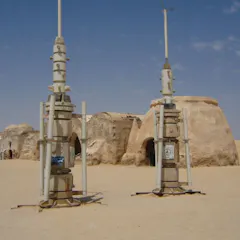
There are elements of these ancient, distant George Lucas stories that might seem like science fiction but are, in fact, science reality.
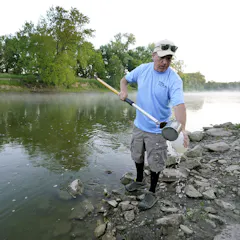
These aren’t abstract problems. They’re happening right now, in real communities, to real people.
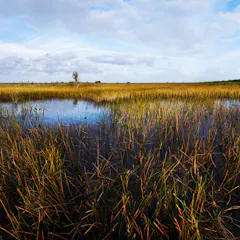
Changes to the landscape and pollution have harmed this vital ecosystem known as the ‘river of grass.’
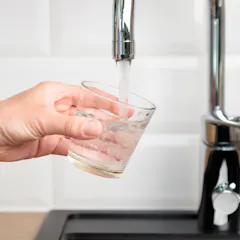
New study raises concerns about fluoride exposure and child intelligence.
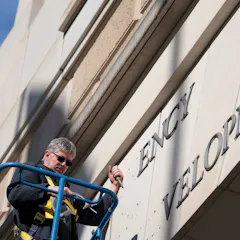
The US economy has always been a mix of government regulation and market forces. The balance between those has shifted over time, but never has one side or the other been substantively removed.

Blue, green orange, brown − water comes in many colors, depending on what’s in it.
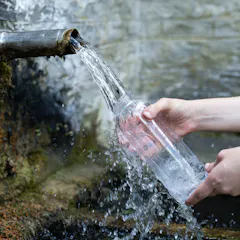
Raw water may not be as safe as it looks. Like raw milk, untreated water comes with dubious health claims and high risks.
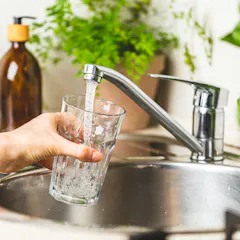
There is renewed concern about PFAS or ‘forever’ chemicals in drinking water. Here’s how we keep track of more than 250 potential contaminants to ensure our water is safe to drink.
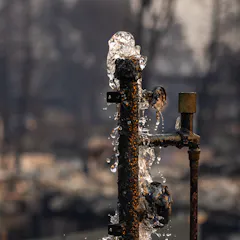
Fires can make drinking water, and the water pipes and tanks themselves, unsafe. A researcher who has worked with communities after several wildfires explains why, and what to do.
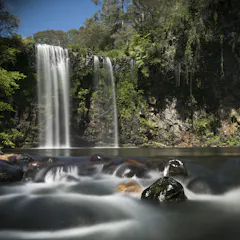
Slightly more Australians drown in rivers and creeks than at the beach. As more of us flock to waterfalls, hidden dangers at these idyllic spots are claiming lives

Although the health benefits of fluoride have been well-documented for decades, some say its use infringes on personal choice.
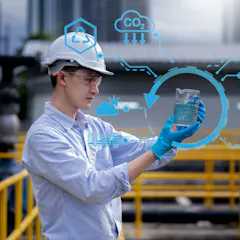
Innovative water management can reshape perceptions and demonstrate the feasibility of recycled wastewater.

PFAS ‘forever chemicals’ are in our drinking water, but there are things you can do to make it safer.

Providing information about risks and easy-to-use test strips made people more likely to check their water quality. But there’s not much support for people whose water turns out to be tainted.
‘Forever chemicals’ can be detected almost anywhere using the right analytical equipment. This raises concerns about the health effects of current exposure levels.

A specially coated foil removed more than 99% of E. coli bacteria from water in laboratory tests.
Growing and changing demands for water and the increasing impacts of climate change are adding to the challenge of ensuring everyone has access to a safe and reliable water supply.
It is difficult and expensive to effectively remove ‘forever chemicals’ from your drinking water at home. And you also don’t want to get rid of the health-giving minerals water contains.
Should Australian authorities follow the US lead and impose lower limits on ‘forever chemicals’ in our drinking water?
Top contributors
-

Associate Professor in Environmental Science, Western Sydney University
-
Professor of Civil, Environmental and Ecological Engineering, Purdue University
-
Senior Lecturer, Western Sydney University
-
Professor of Earth Sciences and Executive Director, Environmental Resilience Institute, Indiana University
-
Assistant Professor of Environmental Health, Middlebury College
-
Professor of Integrated Water Systems, University of Sheffield
-
Professor of Community Health and Wellbeing, The University of Queensland
-
Executive Co-Director, UNU Hub on Empowering Communities to Adapt to Environmental Change, United Nations University; University of Calgary
-
Research Scientist, Knowledge Mobilization, Global Insitute for Water Security, Global Water Futures Program, University of Saskatchewan
-
Visiting Adjunct Professor, School of Governance, University of the Witwatersrand
-
Associate Professor of Water Resources, University of California, Santa Barbara
-
Lillian Gilbreth Postdoctoral Fellow, Purdue University
-
Director, Nephrology and Kidney Care Services, Melbourne Health
-
Associate Professor of Environmental Studies, University of California, Santa Barbara
-
Distinguished Professor and Director, Global Water Futures Programme, University of Saskatchewan