
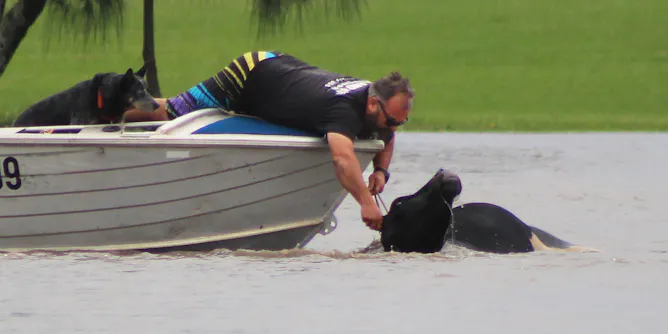
While well-meaning, it’s unclear whether the benefits of training community members to respond to disasters outweigh the risks.
Articles on Disaster risk
Displaying 21 - 40 of 43 articles
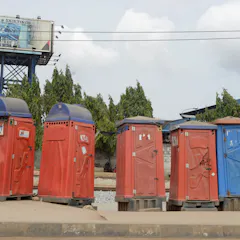
Some Niger Delta residents are less concerned about oil-induced hazards and risks, or floods and erosion. They are more worried about a lack of sanitation amenities.

Are we setting up individuals and families for ruin by allowing them to build back in areas where they can’t afford insurance? And should taxpayers bear the huge costs of future rescues and relief?

The urge to create, or donate to, crowdfunding campaigns in a crisis is understandable. But it’s worth asking: who can succeed in crowdfunding, and who gets left behind?
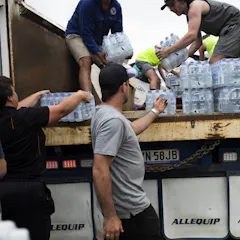
Disaster-affected communities form the backbone of any disaster response. But survivors are often underutilised in shaping plans for their community’s longer-term recovery and preparedness efforts.
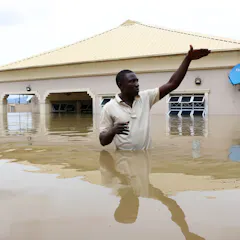
Institutional failures, infrastructure, socio-economic challenges and disaster education influence Nigerian cities’ vulnerability to flood disaster.
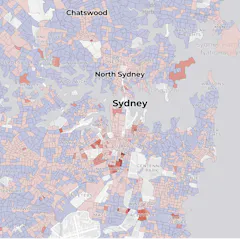
Even if you’re well covered, your area may struggle long after a disaster if most locals don’t have enough home and/or contents insurance. Search our map by postcode or suburb name to check your area.
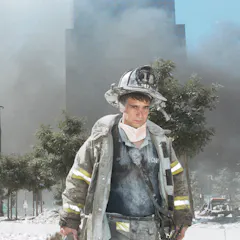
Those directly exposed to toxic dust and trauma on and after 9/11 carry with them a generation of chronic health conditions, which are placing them at higher risk during the pandemic and as they age.
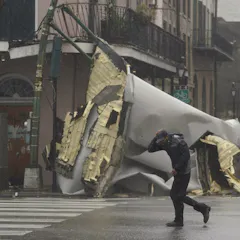
The New Orleans region is likely to see a hurricane about every seven years and a major hurricane about every 20.
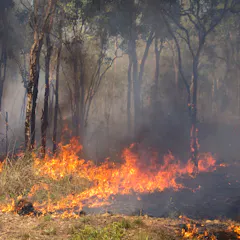
How to prevent future disasters by learning from the past. Listen to episode 21 of The Conversation Weekly podcast.
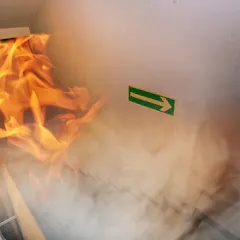
Researchers are using mixed reality technologies to investigate how people behave in in emergency situations. The findings are helping shape disaster responses.
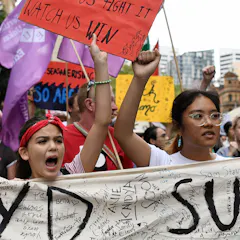
The arguments in favour of radical emissions reduction action, including the personal financial risks, grow more compelling by the day.
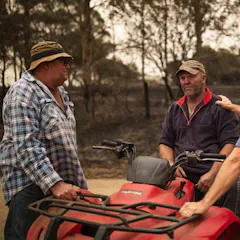
The real success of the National Recovery and Resilience Agency will be not only in what it does, but in how it carries out its work, in the relationships it forges, and in the trust it gains.
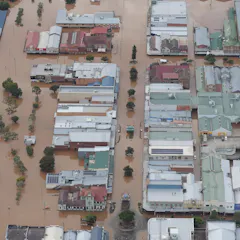
When disaster strikes, not everyone is affected the same way. Research shows the experiences of sexually and gender diverse people are frequently very different to those of heterosexual people.
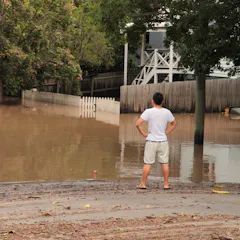
The climate is changing and extreme weather disasters are becoming increasingly frequent and severe. It’s more important than ever to examine who is bearing the brunt of this change.
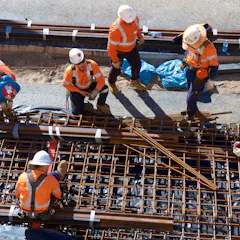
As the climate changes and heatwaves become more frequent and severe, it’s vital we do more to understand who is most vulnerable and how we can reduce their risk.
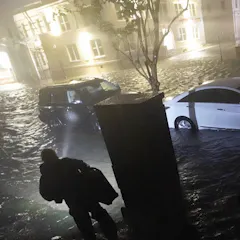
NOAA released its list of climate and weather disasters that cost the nation more than $1 billion each. Like many climate and weather events this past year, it shattered the record.
CC BY-NC-ND13.2 MB (download)
Earthquakes can be caused by human, or seismic, activity. Is South Africa adequately prepared?
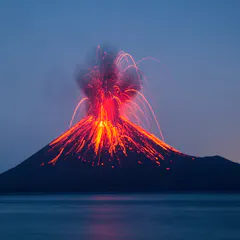
Indonesia has a warning system for tsunamis generated by earthquakes – but not volcanoes.
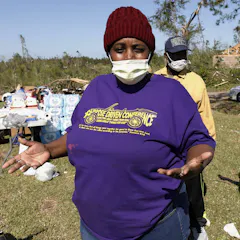
If the forecasts are right, the US could be facing more natural disasters this year – on top of the coronavirus pandemic. Local governments aren’t prepared.
Top contributors
-

Research chair, University of the Witwatersrand
-
Honorary Professor of Hazards and Disaster Risk Sciences, University of Sydney
-
Professor of Globalisation and Development; Director of the Oxford Martin Programmes on Technological and Economic Change, The Future of Work and the Future of Development, University of Oxford
-
Researcher, Department of Geography, Environment and Population, Adelaide University
-
Clark Distinguished Chair and Professor of Civil and Environmental Engineering, University of Maryland
-
Associate Professor of Meteorology, Penn State
-
Earthquake Scientist, Monash University
-
Professor in Digital Construction and Fire Engineering, Te Kunenga ki Pūrehuroa – Massey University
-
Associate Professor, School of Science, University of Newcastle
-
Senior Research Fellow, Centre for Resilient and Inclusive Societies, Alfred Deakin Institute for Citizenship and Globalisation, Deakin University, Deakin University
-
Clinical Teacher/Solicitor, University of Newcastle
-
Professor of Occupational and Environmental Health Sciences, Florida International University
-
Emeritus Professor of Urban & Regional Planning, University of Canberra
-
Thermal Physiologist, National Critical Care and Trauma Response Centre; University Fellow, Charles Darwin University
-
Professor of Criminology, Griffith University