
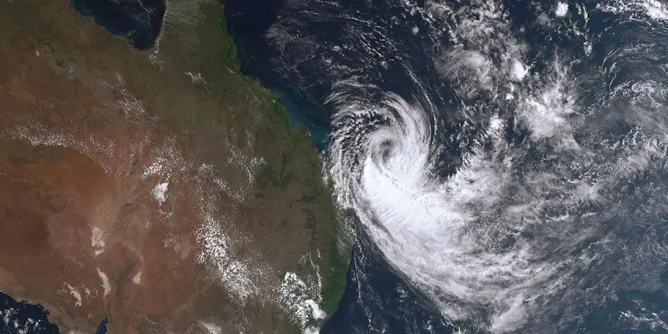
Talk to your neighbours. Do they have a generator or a camping fridge you can use? This is an opportunity to get to know your community and pool your resources.
Articles on Disaster preparedness
Displaying 21 - 40 of 80 articles

The DRC illustrates how millions of people in fragile, violent and conflict-affected parts of the world are at risk of disaster.
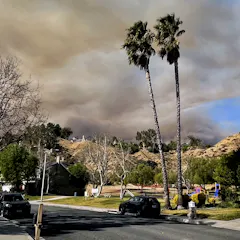
The LA wildfires stand as a reminder that evacuating fast in the face of a disaster isn’t easy, even when you think you’re prepared.
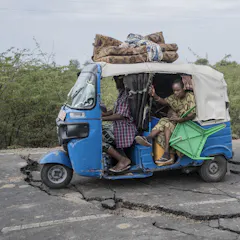
Volcanoes and earthquakes are both natural phenomena driven by the dynamic processes that shape Earth’s interior and surface.
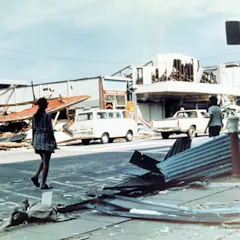
Cyclone Tracy reshaped Darwin and marked a turning point in Australia’s approach to disaster resilience.

Disaster recovery isn’t just about repairing bridges, roads and homes. Conservationists from the Smithsonian were on the ground in North Carolina helping families piece their lives back together.
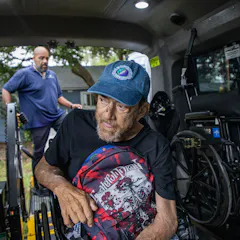
Evacuating is expensive, and for some people the risks of leaving can seem greater than staying despite the storm.
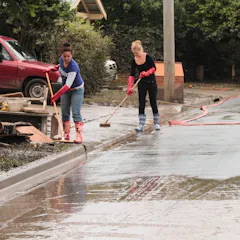
The recommendations of the senate inquiry into Australia’s disaster resilience mainly focus on volunteers involved in the immediate disaster response. This will not make Australians more resilient.
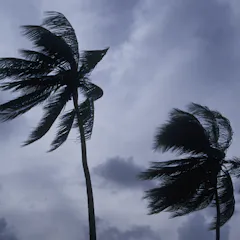
Hardening electric transmission systems and monitoring ocean temperatures are two key priorities.
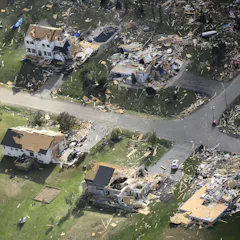
Governments and the media remain focused on responding to disasters, not preventing or preparing for them. Here’s what must change — and will and won’t work — as Canada faces increased disaster risks.
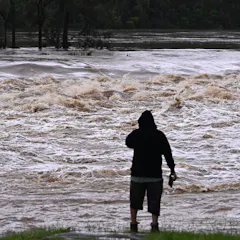
Whether it’s pamphlets aimed at prevention or text alerts, mass communication is often relied on during disasters. This flawed approach can be improved by engaging meaningfully with communities.
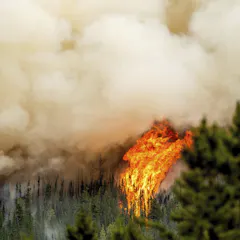
To effectively address climate hazards like wildfire, we must consider the diverse experiences of people, account for longstanding institutions and create processes that empower local people.

There is an alarming lack of disaster preparedness plans in Canada that consider the unique risks and needs of unhoused people during wildfires.
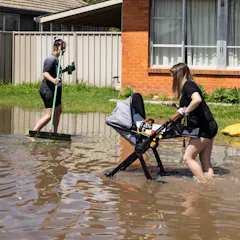
2022 has been Australia’s year of freak floods. Here’s what stricken Victorians are set to experience in the weeks and months ahead.
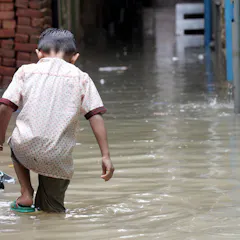
Framing floods as ‘natural disasters’ deflects from the reality that vulnerability must exist before a crisis can emerge.
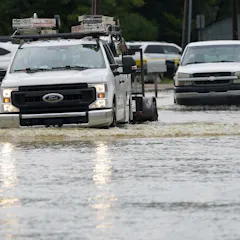
Flash flooding can happen in both urban and rural areas, with deadly results in either setting.
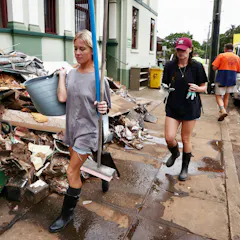
Simply providing passive information is not enough. Governments must find better ways to deliver important messages about natural hazards.
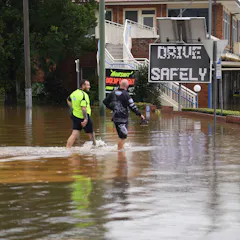
Parts of southeast Australia are inundated yet again. Clearly, short-term weather forecasts are not enough to protect communities in times like these.
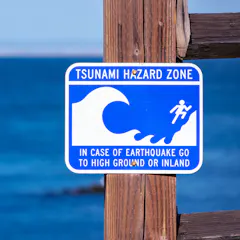
We can’t prevent natural disasters from happening, but we can be better prepared for when they do.

When researchers look at CCTV footage of how people really react during earthquakes – as opposed to what they report after the fact – it looks like alerts aren’t yet inspiring protective action.
Top contributors
-

Adjunct Senior Lecturer, Centre for Disaster Studies, James Cook University
-
Professor Emeritus of Geography, Louisiana State University
-
Professor of Disasters and Health, UCL
-
Reader in Coastal Engineering, University of East London
-
Assistant Professor in International Social and Public Policy, London School of Economics and Political Science
-
Professor of Geography, University of Tennessee
-
Postdoctoral Researcher, The Resilience Institute at Boise State University, Boise State University
-
Assistant Professor of Geography, Middle Tennessee State University
-
Head of Transition Finance Research, University of Oxford
-
Research Associate, Institute of the Americas, UCL
-
PhD Candidate in Computer Science, Stanford University
-
Associate Professor of Geography, The University of Melbourne
-
Associate Professor, Applied Disaster and Emergency Studies Department, Brandon University
-
Professor of the Practice, Tufts University
-
Adjunct Research Fellow at the Cities Research Institute, Griffith University