
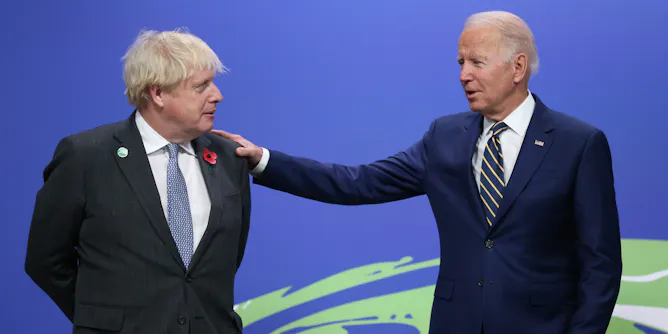
Politicians have more incentive to react to current climate disasters, but more investment is needed in preparing for future problems.
Articles on Disaster preparedness
Displaying 41 - 60 of 80 articles

Failures to respond adequately to the floods that hit Germany and Luxembourg in July 2021 must teach us how to prepare for future climate disasters.
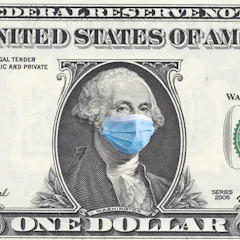
While neoliberalism has allowed U.S. markets to grow, the resultant stunted public health system left Americans to figure out how to protect themselves from COVID-19 and its fallout on their own.
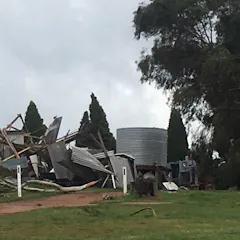
Australia has expansive areas of flat land — usually agricultural land — and it’s over these large, flat areas that tornadoes like to form.
Some of the worst risks of earthquakes are in a zone running from the Great Lakes to the St. Lawrence River that includes major cities like Toronto, Ottawa and Québec City.
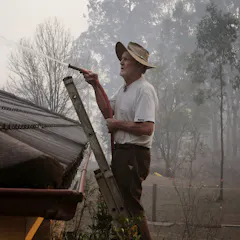
New research also identified steps people wished they’d taken to prepare for disaster, such as protecting sentimental items, planning a meeting place and better managing stress.
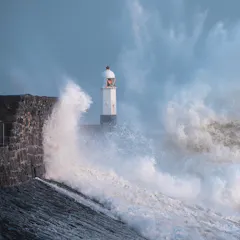
Mitigating climate change is more politically popular than adapting to its inevitable effects.
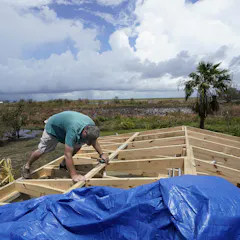
Federal weather scientists are pushing to make the US more ‘weather-ready,’ which could mean prepping for fires, flooding or storms depending on where you live. The common factor: thinking ahead.
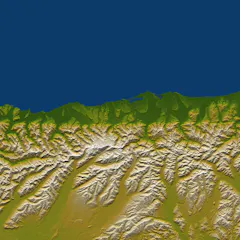
New Zealand’s Alpine Fault has ruptured in a major earthquake on average every 250 years. New research shows a 75% chance of the next one within 50 years, and it’s likely to be magnitude 8 or more.
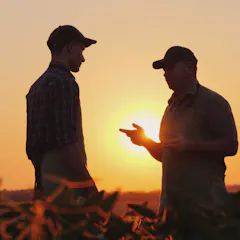
Our report draws on data from more than 1,000 participants who told us of their experiences through community meetings, repeated surveys years after the fires or in-depth interviews.
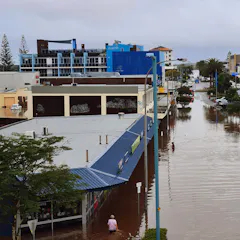
Unless you’ve lived through it, it’s hard to understand how stressful a catastrophic flood can be - both in the moment and long after the event. That’s especially true for vulnerable populations.
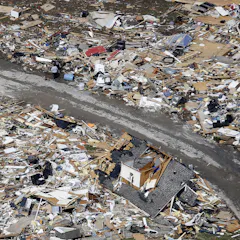
With the onset of spring come thunderstorms, and sometimes tornadoes. Learn how these systems form and why night tornadoes are especially deadly.
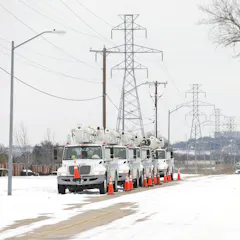
There will be more weather-driven disasters like February’s deep freeze in Texas, and energy planners aren’t prepared.
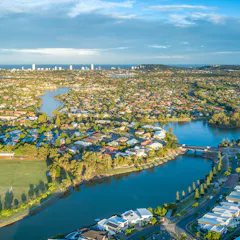
Infrastructure is often seen as the main way to reduce the impacts of climate-related disasters like floods and drought. But cities are complex systems with many factors affecting their resilience.
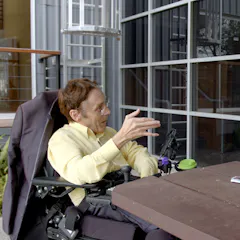
Disability-inclusive disaster planning means people get support matched to their needs, frees up emergency services and makes emergency managers’ jobs easier. It boosts disaster resilience for everyone.
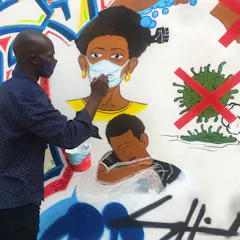
The country would benefit from a well-funded and regulated research industry to contribute to scientific innovation and preparedness for future disease outbreaks.
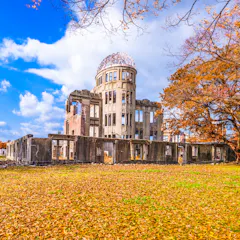
The threat of nuclear war has not diminished, despite the lessons learned from the Hiroshima and Nagasaki bombings in 1945.
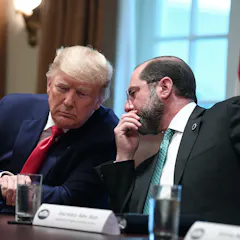
Despite all the effort that goes into predicting disasters, governments have been bad at acting on what they were told.
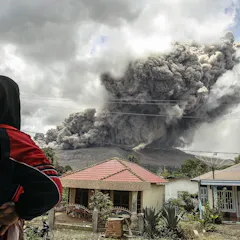
What is political will or political commitment to disaster risk reduction? Why is it important to measure political commitment? And how to measure it?
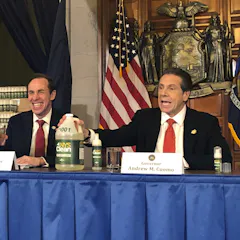
Incarcerated Americans have been tasked with washing hospital laundry, manufacturing protective equipment, disinfecting cleaning supplies and digging mass graves.
Top contributors
-

Adjunct Senior Lecturer, Centre for Disaster Studies, James Cook University
-
Professor Emeritus of Geography, Louisiana State University
-
Professor of Disasters and Health, UCL
-
Reader in Coastal Engineering, University of East London
-
Assistant Professor in International Social and Public Policy, London School of Economics and Political Science
-
Professor of Geography, University of Tennessee
-
Postdoctoral Researcher, The Resilience Institute at Boise State University, Boise State University
-
Assistant Professor of Geography, Middle Tennessee State University
-
Head of Transition Finance Research, University of Oxford
-
Research Associate, Institute of the Americas, UCL
-
PhD Candidate in Computer Science, Stanford University
-
Associate Professor of Geography, The University of Melbourne
-
Associate Professor, Applied Disaster and Emergency Studies Department, Brandon University
-
Professor of the Practice, Tufts University
-
Adjunct Research Fellow at the Cities Research Institute, Griffith University