
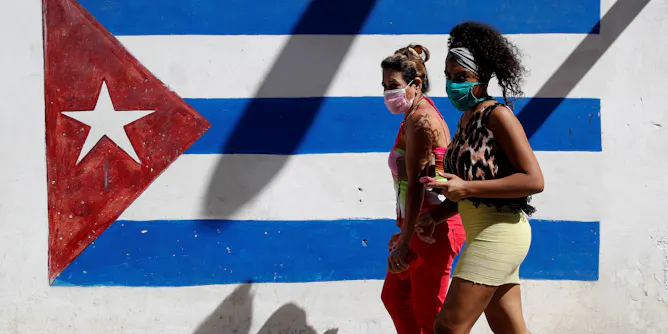
Cuba’s excellent disaster planning is paying dividends in the current pandemic.
Articles on Disaster preparedness
Displaying 61 - 80 of 80 articles
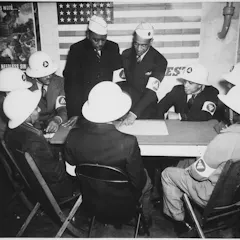
Since the Cold War, Americans have shifted from engaging in active self-rescue to passively waiting for help from a centralized, bureaucratic federal emergency response.

Communication from public health and government officials during a health threat is a critical component of preventing and treating a disease. An expert who worked on the anthrax scare explains.
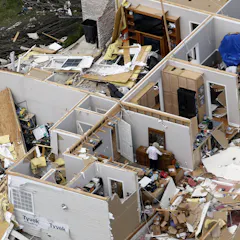
In the Southeast US, tornadoes strike at night more often than in other regions. This poses special challenges for getting early warnings to the public.
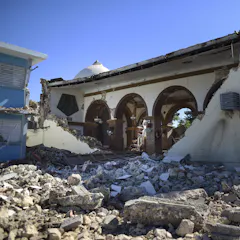
Puerto Rico’s January earthquakes came after many foreshocks and have been followed by numerous aftershocks. Scientists are studying these sequences to improve earthquake forecasting.
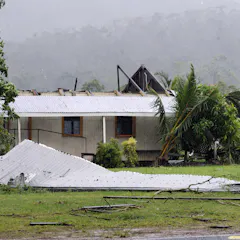
Most homes are not as cyclone-ready as they could be. It seems lower insurance premiums aren’t enough of an incentive for owners to upgrade their homes, but a new study points to some solutions.
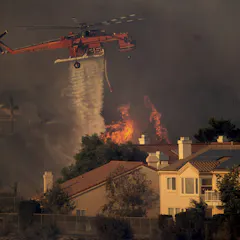
As climate change intensifies the risk of wildfires in California, insurers are dropping coverage for many homeowners.
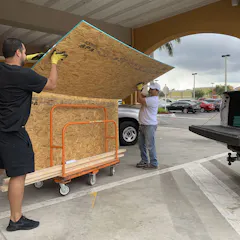
As Hurricane Dorian approaches Florida, we share three articles on predicting hurricanes’ paths and evacuating from harm’s way.
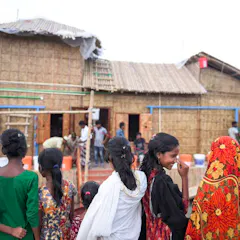
An award-winning house design could be an affordable solution for vulnerable coastal communities adapting to climate change.

To reduce the risks posed by natural hazards, governments need to address residents’ everyday fears, too.
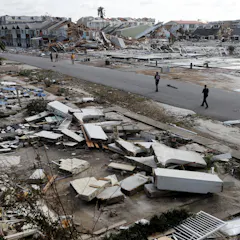
An engineering professor explains why rural areas are especially vulnerable to hurricanes, and what they can do to ensure that no one is left without help.
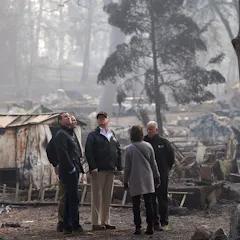
Forest management is not a cure-all for wildfires, although it can help reduce the chances of massive burns. Making this happen will require broad collaborative efforts and more money.
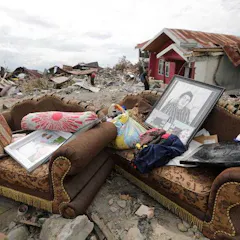
The last two major disasters show that Indonesia needs to embrace a new chapter in its disaster risk governance.
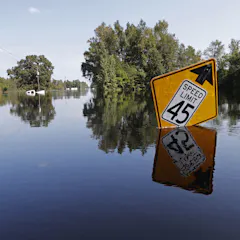
Hurricanes frequently move inland in the southeast US, causing widespread river flooding, but emergency plans focus on protecting people in coastal communities.
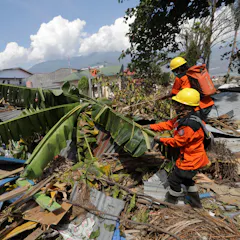
Following an earthquake and tsunami in Central Sulawesi on Friday, search and rescue workers in Central Sulawesi struggle to save victims trapped under rubble due to lack of heavy equipment.
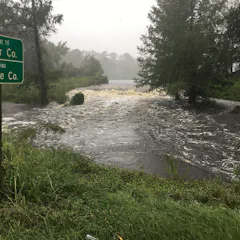
Widespread flooding in North Carolina from Hurricane Florence shows the need for better advance planning in inland areas of the south and mid-Atlantic, especially near rivers.
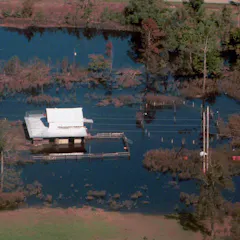
Hurricanes in the southern US have caused widespread damage inland in recent decades, mainly through river flooding. But evacuations and stormproofing focus almost entirely on keeping people safe on the coasts.
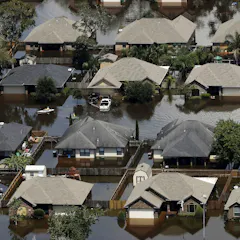
Many people board up their houses and stay in place during disasters – but often they aren’t prepared to go without water, power or transportation for days or weeks afterward.
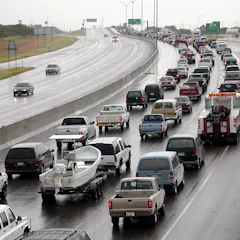
Many factors can influence people to evacuate or stay in place when disasters threaten. New research using Facebook posts suggests that people with broad social networks are more apt to move.
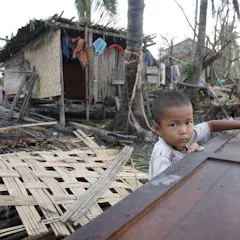
One hundred and forty thousand people died when a major hurricane hit Myanmar in 2008. Would the country be better prepared today?
Top contributors
-

Adjunct Senior Lecturer, Centre for Disaster Studies, James Cook University
-
Professor Emeritus of Geography, Louisiana State University
-
Professor of Disasters and Health, UCL
-
Reader in Coastal Engineering, University of East London
-
Assistant Professor in International Social and Public Policy, London School of Economics and Political Science
-
Professor of Geography, University of Tennessee
-
Postdoctoral Researcher, The Resilience Institute at Boise State University, Boise State University
-
Assistant Professor of Geography, Middle Tennessee State University
-
Head of Transition Finance Research, University of Oxford
-
Research Associate, Institute of the Americas, UCL
-
PhD Candidate in Computer Science, Stanford University
-
Associate Professor of Geography, The University of Melbourne
-
Associate Professor, Applied Disaster and Emergency Studies Department, Brandon University
-
Professor of the Practice, Tufts University
-
Adjunct Research Fellow at the Cities Research Institute, Griffith University