

The new credit rating agency set up by African countries was not established to replace the existing rating architecture but to expand it.
Articles on Development finance Africa
Displaying 1 - 20 of 108 articles

Credit ratings have become so important in the financing of development that Africa has seen fit to build its own agency.

For the Youth Olympic Games, Senegal has relied heavily on substantial direct public funding with support from its partners.
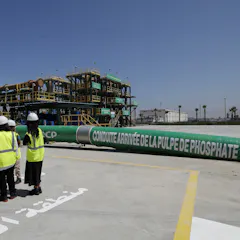
Africa has the minerals to power the green transition. Capturing more value means countries must pool market power and build shared capabilities.
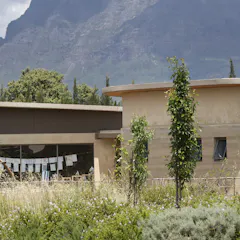
Green ratings are growing in South Africa, mainly for upgraded older buildings, but some low scores suggest buildings may appear greener than they are.
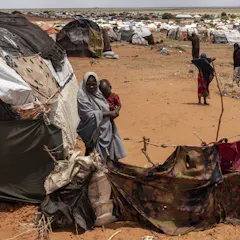
African countries are now crafting the first continent-wide framework to tackle how climate disasters can worsen hunger, displacement and conflict.

People restoring Africa’s ecosystems need climate services that combine forecasts with Indigenous knowledge and information about land, water and livelihoods.
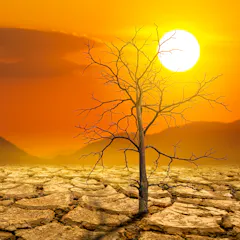
The world is likely to pass 1.5°C of warming. Africa faces worse heat, drought and floods, but faster cuts to emissions can still limit the overshoot damage.
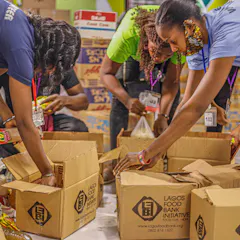
A common reporting structure that combines financial and non-financial information reduces pressures on both donors and NPOs.

Climate finance should not be separated from development funding.

Redistribution must recognise that most workers are in informal employment.

African nations consistently vote for Infantino because they depend on Fifa for financial support.
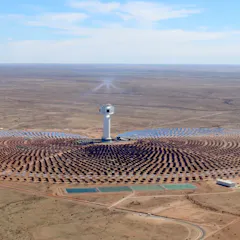
South Africa is one of the best places in the world for concentrating solar power. So why has the country’s energy plan largely ignored it?
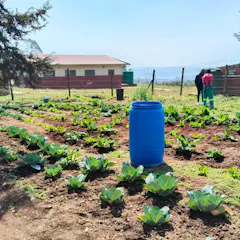
In a rural South African village, climate action is influenced by ubuntu: the belief that people are connected and have a responsibility to one another.
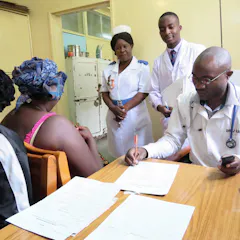
In 2019 Zambia introduced a National Health Insurance Scheme to help more people access healthcare and move the country closer to universal health coverage.
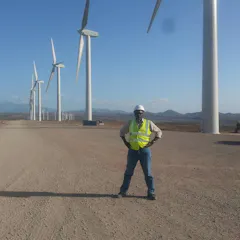
In South Africa and Kenya, some green energy projects have deprived local communities of land and livelihoods instead of sharing the benefits.

Sovereign creditworthiness is interpreted and reassessed through several overlapping evaluations.
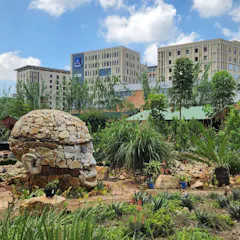
Parks do more than cool cities. They also help people work together to cope with climate change, but only if local communities help design, manage and care for them.
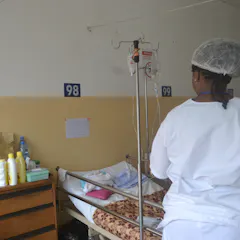
Questions persist over ethical recruitment from countries already facing healthcare workforce shortages.

Businesses across the world are beginning to face the kind of complexity that entrepreneurs in African townships have navigated for years.
Top contributors
-

Post Doctoral Researcher, Graduate School of Business (GSB), University of Cape Town
-
Senior Fellow, Centre for Policy Research (UNU-CPR), United Nations University; Aston University
-
Professor/Senior Research Fellow, Centre for Advancement of Scholarship, University of Pretoria
-
Associate Professor at the Southern Centre for Inequality Studies, University of the Witwatersrand
-
Postdoctoral Research Fellow, University of Johannesburg
-
Director, Columbia Center on Sustainable Investment, Columbia University
-
Senior Researcher, Associate Professor: Economic Management Sciences, University of Pretoria
-
Researcher in Renewable Energy, University of Cape Town
-
Professor and Acting Head of Department: Department of Finance and Investment Management, University of Johannesburg
-
Research associate, University of Fort Hare
-
Researcher
-
Senior Fellow, Department of Agricultural Economics, Stellenbosch University
-
Professor Entrepreneurship and Innovation, University of Cape Town
-
Senior Lecturer in Organisational Behaviour, University of Cape Town
-
Postdoctoral Research Associate, Natural Sciences, University of Lincoln