
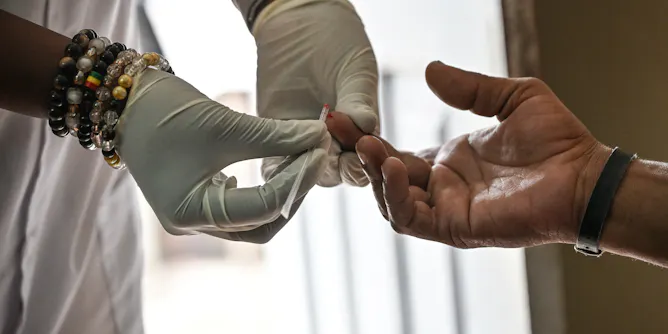
African countries must not sign away their health data or release their pathogens in exchange for donor funding.
Articles on Development finance Africa
Displaying 81 - 100 of 109 articles
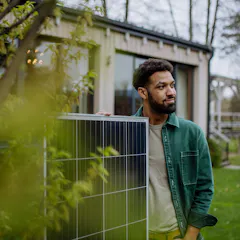
With cement production driving 8% of greenhouse gas emissions, green housing is needed urgently.
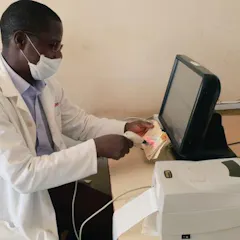
A simple solution of moving from paper to electronic records improved healthcare for many HIV patients.

Polluting companies in South Africa have had to pay a tax on their carbon emissions since 2019. This gives them a good incentive to reduce emissions.
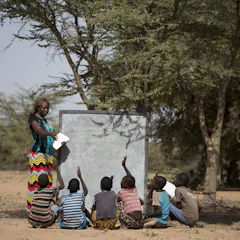
Public finance is the means through which societies either raise living standards or entrench dependence.

Working within existing informal regulations in Kenya’s sand industry would help boost livelihoods and inclusion.
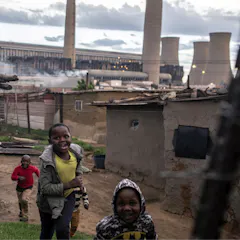
The South African government and coal industry need to move fast to set up a plan to turn old coal mines and power stations into job-creating hubs after they close.
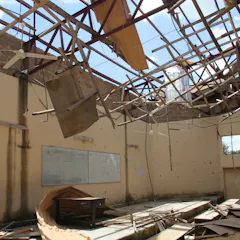
International scholarships make up most of the foreign aid to higher education in conflict-affected countries.
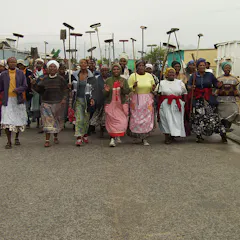
Social transfers don’t operate in a vacuum. They can strengthen trust or erode it, build cohesion or fuel resentment.
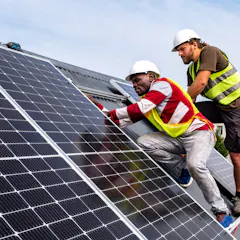
South Africa needs a renewable energy industrial strategy, not just requirements for green power projects to buy a percentage of solar parts from local companies.

The aim was to increase the city’s own source revenue by improving fairness, transparency, and compliance while modernising outdated systems.

Tensions over the role that credit rating agencies play in assessing African countries have broken into the open.
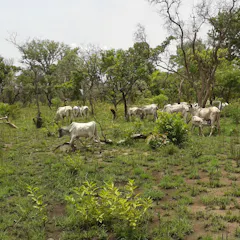
Benin’s smallholder dairy farmers need development finance to plant shady trees on the land where their cattle graze, to improve cattle health.
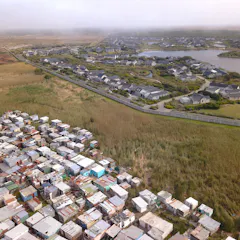
Tax records of the past can inform about governance, markets and inequality today.
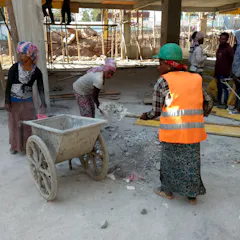
Ethnicity can be consciously adjusted in response to the risks women face in public spaces.

Most African climate-related financial policies remain voluntary, leaving climate risk as something to consider rather than a firm requirement.
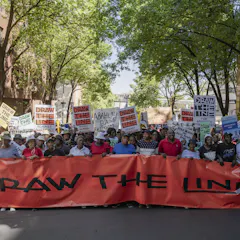
For the first time, countries now have a shared way to understand whether the world is actually improving at adapting to climate impacts.
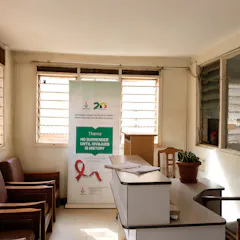
A mix of domestic revenue generation, efficiency gains and strategic partnerships is essential to sustain and expand HIV programmes despite declining external aid.

South Africa’s water, energy and food crises are interconnected. Coordinated funding across all three, including community-led and blended finance, is needed.

Development banks have spent over US$1 billion on factory farming in Africa, locking in high greenhouse gas emissions. Natural farming systems are a better choice.
Top contributors
-

Post Doctoral Researcher, Graduate School of Business (GSB), University of Cape Town
-
Senior Fellow, Centre for Policy Research (UNU-CPR), United Nations University; Aston University
-
Professor/Senior Research Fellow, Centre for Advancement of Scholarship, University of Pretoria
-
Associate Professor at the Southern Centre for Inequality Studies, University of the Witwatersrand
-
Postdoctoral Research Fellow, University of Johannesburg
-
Director, Columbia Center on Sustainable Investment, Columbia University
-
Senior Researcher, Associate Professor: Economic Management Sciences, University of Pretoria
-
Researcher in Renewable Energy, University of Cape Town
-
Professor and Acting Head of Department: Department of Finance and Investment Management, University of Johannesburg
-
Research associate, University of Fort Hare
-
Researcher
-
Senior Fellow, Department of Agricultural Economics, Stellenbosch University
-
Professor Entrepreneurship and Innovation, University of Cape Town
-
Senior Lecturer in Organisational Behaviour, University of Cape Town
-
Postdoctoral Research Associate, Natural Sciences, University of Lincoln