

Corals, mangroves and seagrass habitats have been affected by extreme weather events, and some may never recover.
Articles on Corals
Displaying 41 - 60 of 107 articles
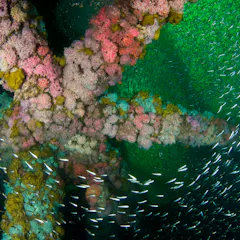
Californians love their coast and strongly oppose offshore drilling. Will they support converting old oil rigs to artificial reefs – a policy that benefits both marine life and oil companies?
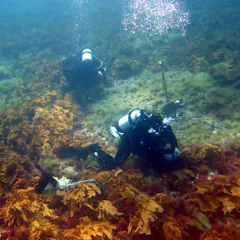
Marine heatwaves, like their land counterparts, are growing hotter and longer. Sea species in southeastern Australia, southeast Asia, northwestern Africa, Europe and eastern Canada are most at risk.
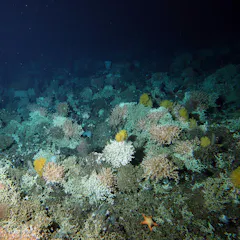
In the cold southern oceans, underwater mountains support deep-sea reefs.
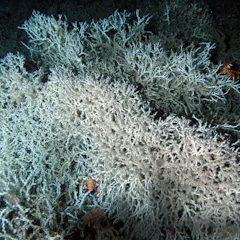
A massive new discovery this summer of miles of corals in deep waters off South Carolina shows how much we have yet to learn about life on the ocean floor.
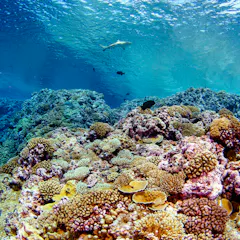
Field samples, satellite measurements and isotopic data have shed new light on corals’ eating habits.
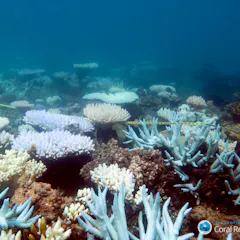
The 2016 bleaching event resulted in 30% mortality on the Great Barrier Reef, with many corals dying of the heat before they bleached and the loss of branching corals creating less complex reef structure.
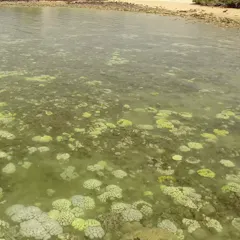
Coral bleaching has struck the Northern Territory, adding urgency to the need for better national management strategies for our warming oceans.
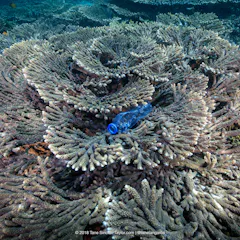
Coral reefs in the Asia-Pacific have been deluged with an estimated 11.1 billion pieces of plastic waste, increasing the risk of coral disease more than 20-fold.
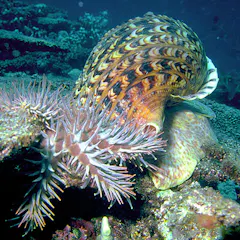
The federal government’s new funding aims to spread the net wide in investigating possible ways to protect the Great Barrier Reef’s corals. Winning this battle will require a wide range of weapons.

A new study identifies dozens of individual reefs on the Great Barrier Reef that are especially important for coral larvae dispersal and which could help the entire ecosystem bounce back.
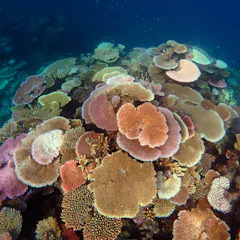
Corals on the Great Barrier Reef that are tolerant to warmer waters can be used to help repair other parts of the reef damaged by recent coral bleaching events.
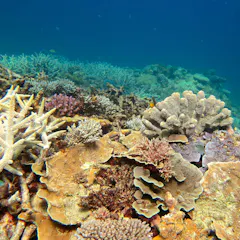
Tropical coral reefs can be saved from climate change and other pressures, but the window of opportunity is closing. And reefs are guaranteed to be markedly different in the future.
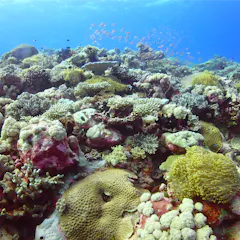
The British overseas territory faces an environmental crisis.
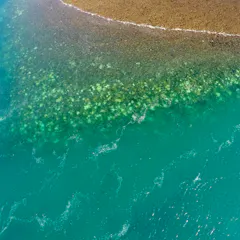
Western Australia’s super-corals are adapted to high temperatures, but even they didn’t escape the recent bleaching event unscathed.

Just like humans, corals live with myriad microscopic organisms. We are just starting to understand this unseen world.
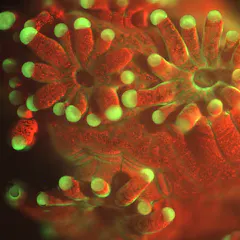
Could this new technology do for the microscopic marine world what the first telescopes did for the heavens above?
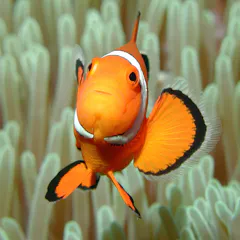
The recent severe bleaching on the Great Barrier Reef has also affected anemones, which provide homes for clownfish.

An estimated one-third of corals have now died in the parts of the Great Barrier Reef hit hardest by bleaching, meaning recovery could take years or even decades.
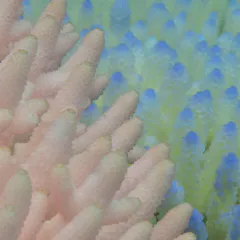
The bleaching hitting the Great Barrier Reef not only harms corals. As these close-up photos show, it also deprives many other species of a home and livelihood.
Top contributors
-

Associate Professor, Marine Ecology, School of Molecular and Life Sciences, Curtin University
-
Professor, School of the Environment, The University of Queensland
-
Distinguished Professor, James Cook University
-
Research Program Director, Australian Institute of Marine Science
-
Postdoctoral Research Associate in Climate Change Ecology and Evolution, Newcastle University
-
Senior Lecturer, School of Biological Sciences, The University of Queensland
-
Professor of Coastal Oceanography, The University of Western Australia
-
Postdoctoral Associate in Biological Sciences, Florida International University
-
Senior Research Fellow in Marine Biology, Southern Cross University
-
Professor & ARC Laureate Fellow, Thriving Oceans Research Hub, School of Geosciences, University of Sydney
-
Professor of Marine Biology, University of Sydney
-
Associate Professor of Biology, Penn State
-
Associate Professor, Coral Reef Laboratory, University of Southampton
-
CSIRO Research Group Leader Ecosystem Modelling and Risk Assessment, CSIRO
-
Research Fellow, ARC Centre of Excellence for Coral Reef Studies, James Cook University