
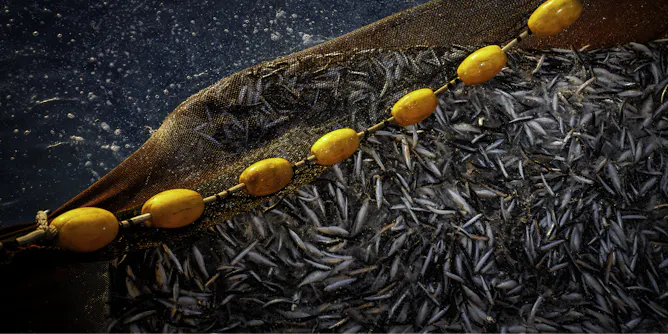
This is very bad news for human health but also for the health of other animals in the food web.
Articles on Ocean acidification
Displaying 1 - 20 of 108 articles
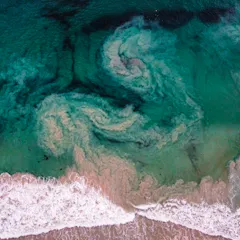
Australian scientists are exploring ways to remove carbon from the atmosphere – using our oceans.
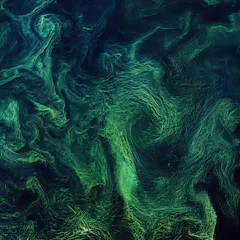
Some methods being tried to counter climate change shift the ocean’s biology or chemistry. Others would deflect solar radiation. All have consequences for marine life.

From the wave-lashed surface to the deep sea, the Southern Ocean Time Series is a crucial tool for scientists to keep the pulse of this important region of Earth.

The ocean needs help – overfishing, pollution and climate change are serious problems. Individuals can take action to help.

Oceans cover more than 70% of Earth’s surface, and their warming is gravely concerning. So how much is down to climate change?
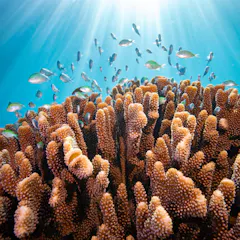
‘The kind of hypoxic stress response we saw in our experiment could go under the radar.’
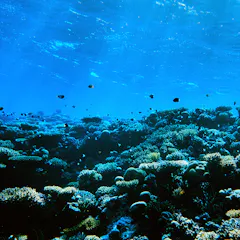
By the end of the century, half the world’s deep ocean could be acidic – with serious consequences for some marine animals.

Any decision to authorise offshore drilling and other activities contributing to climate change will now need to be assessed under the law of the sea in addition to international climate agreements.
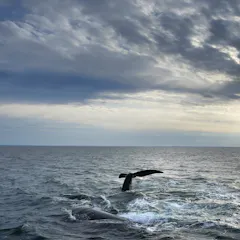
Global warming is making the oceans more acidic. Our work aims to design realistic systems to reduce this acidity, and remove carbon from the atmosphere in the process.
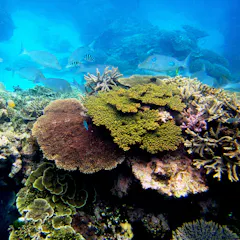
Just as the world’s zoos breed critically endangered animals in captivity to repopulate the wild, scientists are building a global effort to freeze corals for reef restoration.

One set of ideas runs counter to the mainstream consensus that technology will save us from climate change. Can degrowth ever win enough converts to persuade humanity to change course?
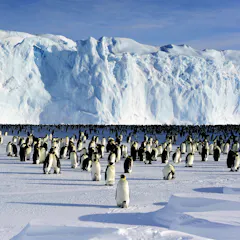
The first comprehensive assessment of trends in Southern Ocean ecosystems reveals an urgent need to address climate change. The summary for policymakers can guide decision-makers.
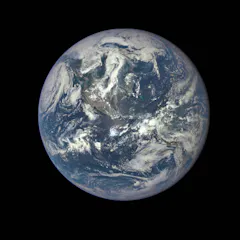
We’ve become so good at using the Earth’s resources we’re endangering the systems we rely on.

New Zealand’s kelp forests provide food and shelter for many marine species of commercial and cultural value. But they are at risk from warming oceans, run-off from land and marine invaders.
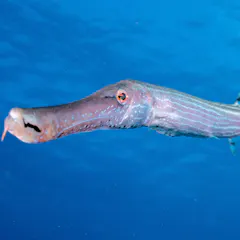
Trumpetfish are the first known predator to hide behind another animal when hunting.
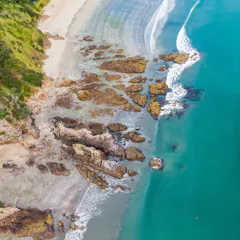
Marine governance in New Zealand is fragmented, with several agencies operating under various statutes. But a more collaborative, ecosystem-based approach to better protect the ocean is emerging.
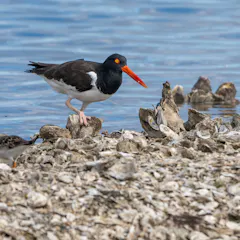
Climate change is making oceans more acidic globally. Now, scientists are finding that large storms can send pulses of acidic water into bays and estuaries, further stressing fish and shellfish.
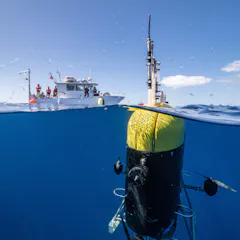
The ocean twilight zone could store vast amounts of carbon captured from the atmosphere, but first we need a 4D monitoring system to ensure ramping up carbon storage does no harm.

The report synthesises the latest science about Australia’s climate – and paints a worrying picture.
Top contributors
-

Professor, School of the Environment, The University of Queensland
-
Professor, Marine Biology, Adelaide University
-
Research scientist, CSIRO
-
Senior Research Fellow, Antarctic Climate & Ecosystems CRC, University of Tasmania
-
Research fellow Environmental Management, Institute of Aquaculture, University of Stirling
-
ARC DECRA Fellow/Senior Lecturer, IMAS, University of Tasmania
-
Guest investigator, Woods Hole Oceanographic Institution
-
Distinguished Research Professor and Australian Laureate, James Cook University
-
Professor, Sustainable Marine Futures, Environment Institute, Adelaide University
-
Professor in Law, University of Canterbury
-
Professor of Marine Biology, Te Herenga Waka — Victoria University of Wellington
-
Associate Professor in Marine Biology, University of Technology Sydney
-
Director & Professor, Fisheries Economics Research Unit, University of British Columbia
-
Lecturer in Marine Biology, Te Herenga Waka — Victoria University of Wellington
-
Research Lead, Carbon Dioxide Removal, CSIRO