
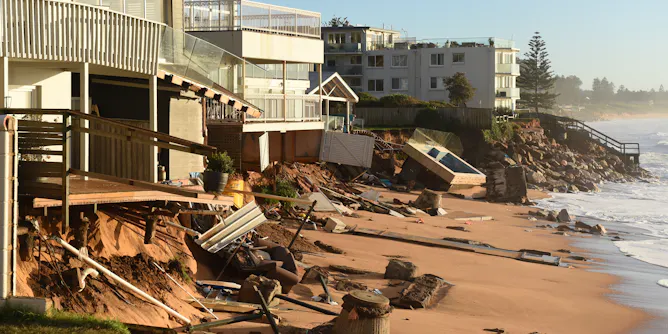
The ocean warming that might increase the threat of a catastrophic storm could also create the conditions for a natural defensive barrier.
Articles on Coral reefs
Displaying 181 - 200 of 265 articles
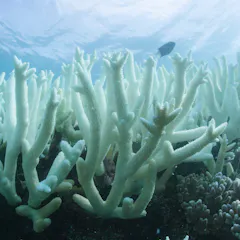
The Great Barrier Reef is bleaching again. Without greater action on climate change and water quality, its World Heritage status could be listed as “in danger”.
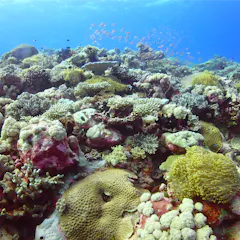
The British overseas territory faces an environmental crisis.

Regional solutions can spread across the planet.
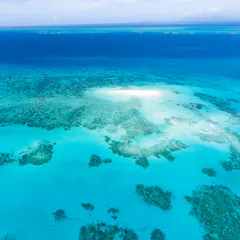
The government’s latest report to UNESCO on the Great Barrier Reef paints a rosy picture.
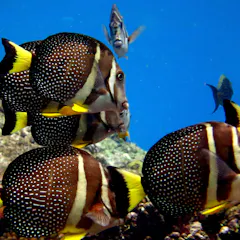
Plant-eating fish control the spread of seaweed and algae on coral reefs. New research explaining why populations of these fish vary from site to site could lead to better reef protection strategies.
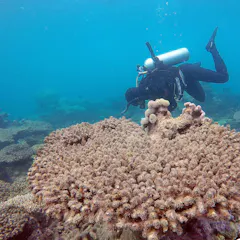
Two-thirds of the corals in the northern part of the Great Barrier Reef have died on in the reef’s worst-ever bleaching event, according to the latest underwater surveys.
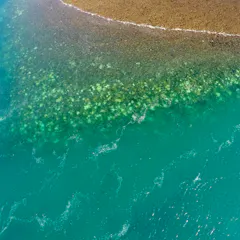
Western Australia’s super-corals are adapted to high temperatures, but even they didn’t escape the recent bleaching event unscathed.

Months after record breaking coral bleaching, research teams are taking stock of the damage on the Great Barrier Reef.
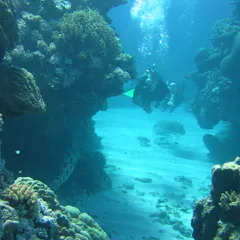
Once upon a time dead coral was something to be celebrated on the Great Barrier Reef.
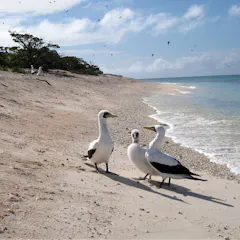
The marine reserves review has recommended major changes to the Coral Sea, but not for the better.
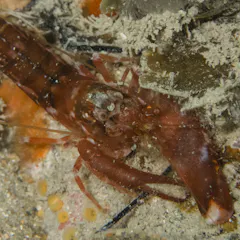
The oceans are filled with sounds produced by animals. However, a recent study shows that ocean sounds are diminishing due to nutrient pollution and ocean acidification.

Just like humans, corals live with myriad microscopic organisms. We are just starting to understand this unseen world.
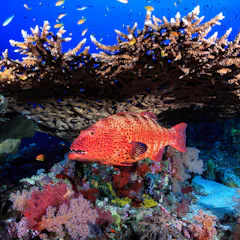
Not all of the world’s coral reefs are in dire straits. Reef fisheries tend to do better in areas with strong ownership rights, and where people are closely involved in managing their local reefs.
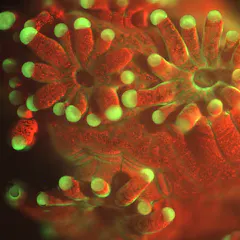
Could this new technology do for the microscopic marine world what the first telescopes did for the heavens above?
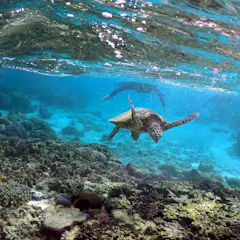
A new study provides insight into coral-dwelling microbial communities and how they react to pollution, overfishing, and climate change. What does it mean for the Great Barrier Reef?

A combination of factors – pollution, disease and overfishing – is harming corals but scientists have found clues to effective treatment by studying corals’ microbiome.
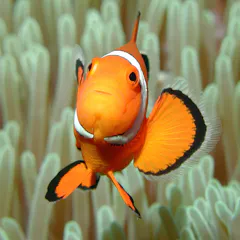
The recent severe bleaching on the Great Barrier Reef has also affected anemones, which provide homes for clownfish.
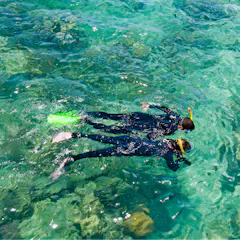
Efforts to combat water pollution on the Great Barrier Reef aren’t working, according to a new government report.
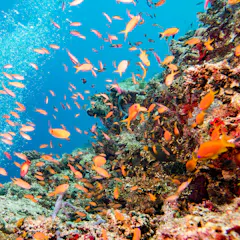
The Great Barrier Reef is in trouble, and the upcoming election is our last chance to lock in plans to save it.
Top contributors
-

Distinguished Professor, James Cook University
-
Professor, School of the Environment, The University of Queensland
-
Adjunct Principal Research Fellow, College of Science and Engineering, James Cook University
-
Adjunct Research Associate, Faculty of Fisheries and Marine Sciences, IPB University
-
UNESCO Chair on Climate Change Variability of Natural and Cultural Heritage and Professor in Physics, James Cook University
-
Professor of Marine Ecology, Universidad Nacional Autónoma de México (UNAM)
-
Assistant Professor, School of Energy, Geoscience, Infrastructure and Society // CEO MarFishEco Fisheries Consultant Ltd, Heriot-Watt University
-
Professor of Biological Oceanography & Head of the Coral Reef Laboratory, University of Southampton
-
Postdoctoral Research Associate in Coral Reef Ecology, Newcastle University, Newcastle University
-
Associate Professor, Coral Reef Laboratory, University of Southampton
-
Postdoctoral Research Associate in Climate Change Ecology and Evolution, Newcastle University
-
Reader in Coral Reef Ecology, Newcastle University
-
Professorial Fellow, ARC Centre of Excellence for Coral Reef Studies, James Cook University
-
DECRA Research Fellow in molecular ecology, James Cook University
-
Coral Reef Ecologist, National Oceanic and Atmospheric Administration