

Scrolling TikTok or Instagram causes mental fatigue, which can lead people to purchase items based on how many ‘likes’ an ad has instead of how much value the product will bring them.
Articles on Consumers
Displaying 121 - 140 of 321 articles
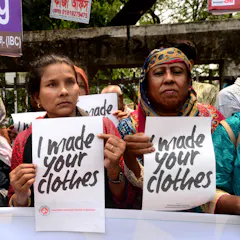
Ten years after the collapse at Rana Plaza in Bangladesh, the garment industry’s deadliest disaster, reforms are incomplete. The opaqueness of today’s complex supply chain is part of the problem.

The perspective that U.S. retailers are somehow more prone to failure than Canadian retail chains is unconvincing, but the Canadian retail landscape is challenging for newcomers.
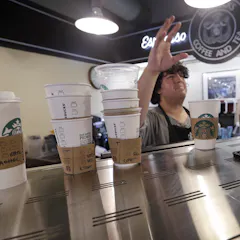
Many Starbucks customers are irked by recent changes to its popular rewards program. But they may not have as much to complain about as it seems.
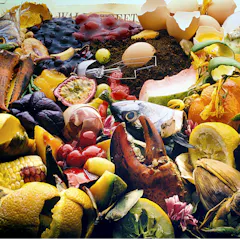
Reducing food waste at home is an action that anyone can take to help slow climate change, often saving money in the process. More consumer education could help show people what to do.

Supply chain difficulties and rising costs have forced Made.com into administration

Businesses can now pass credit card surcharge fees along to their customers. To help businesses predict how consumers will react to credit card surcharges, behavioural economics offers some answers.
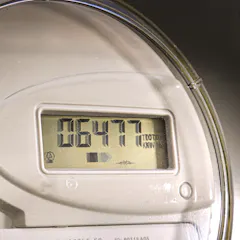
Most households pay a flat rate 24/7 for electricity although the cost of generating it fluctuates through the day. Wireless technologies are changing that system.

When we look at certain prices, we jump to conclusions about inflation rates that are not accurate.

How to spot the changes made to goods and services as a result of rising costs.

Emerging platforms are challenging traditional tech giants by giving consumers and workers more power

Professor Leigh Sparks looks at the latest UK retail sales and consumer sentiment data.

What you need to know about blue light protection lotions.

The rich history of UK consumer culture has been captured in the composition of the ‘basket of goods’ used to measure inflation.

The 2012-2015 power crisis was the most intense, protracted and severe in the history of Ghana.

New research found that consumers were less likely to buy a product associated with pleasure if marketers emphasized it was developed with science.
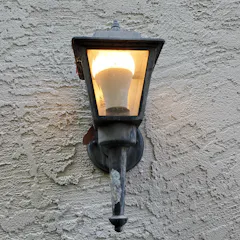
Many people want to know about practical suggestions to help slow climate change. Effective action starts at home.

New Zealand consumers are using boycotts of Russian products as a way to voice their disapproval of the war in Ukraine. But is this the best or only way for individuals to be heard?

One person out of three does not dare to turn to the supplier in case of problems. Feeling of shame, as well as doubts about the ability of the person they are dealing explain that figure.

The introduction of these technologies in Ghana has created an enabling platform for consumers to use their mobile phones to pay for goods and services
Top contributors
-

Associate Professor of Business, Boston University
-
Emeritus Professor of Marketing, University of Birmingham
-
Professor of Law, St. John's University
-
Professor of Marketing and Consumer Behaviour, Queensland University of Technology
-
Susman Professor in Sustainability and Professor of Marketing, Penn State
-
Associate Professor of Quantitative Marketing and Analytics, Binghamton University, State University of New York; Indiana University
-
Professor of Clinical Education, St. John's University
-
Director, Master of Business Administration Program (MBA); Co-Director, Better Consumption Lab, Deakin University
-
Professor of Marketing, The Ohio State University
-
Assistant Professor, Faculty of Business, University of New Brunswick
-
Associate Professor of Marketing, Tasmanian School of Business and Economics, University of Tasmania
-
Professor of Clinical Education, St. John's University
-
Professor of Energy and Environmental Economics and International Affairs, Penn State
-
Lecturer in Marketing, Newcastle University
-
Professor of Law, Monash University