
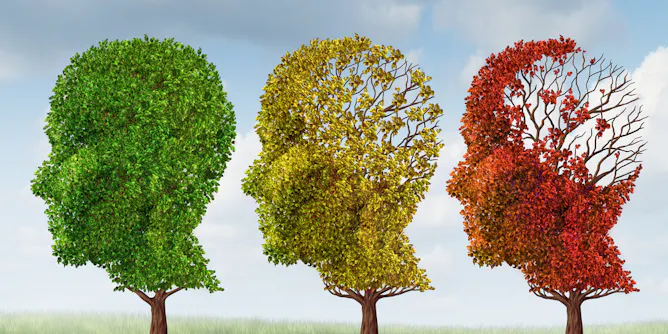
Alzheimer’s is the most common form of dementia. Here’s why knowing about the diversity of dementia matters.
Articles on Brain
Displaying 141 - 160 of 731 articles
Hint: the most common type actually works.

The bigger the brain, the better we are at finding fruit. But is that true? A new study on wild primates refutes this idea.

Is the future of mental health treatment ultrasound waves?

The two human species had many similarities but their communication would have been different.

How exactly do anaesthetic drugs shut down the brain? We still don’t have a complete picture, but a new study just got us a step closer.
The brain was once thought to be sterile, thanks to the blood-brain barrier. But scientists are beginning to question this.

A new study shows that it is possible to reduce the symptoms of amyotrophic lateral sclerosis by reducing the inflammation caused by immune cells in the brain.

RFK Jr. has a dead tapeworm in his brain.

One of the first longitudinal studies of male brain changes across the transition to first-time parenthood finds that becoming a dad affects the brain – without the direct experience of pregnancy.

Eating right, exercising, playing sports, reading and journaling are just a few of the ways you can keep your brain in top shape.

Sugar is an important substance for our body and brain to make energy. Here’s what happens when we eat a lot of it.

Vaping is more common than cigarette smoking among young people but there are a variety of risks to users.

Studying the human brain is difficult because of its vast and intricate network of neural connections. The fruit fly offers a simpler but similar model that researchers can more easily map.

A loss of visual sensitivity could be an early predictor of dementia.

Vegetarian and low-carb diets aren’t ideal for our brains.
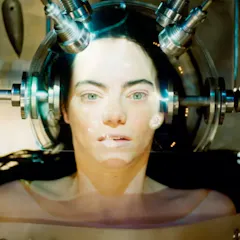
Is brain transplant surgery the stuff of dark Hollywood fairytales or a feasible possibility?

Around 4% of the population are unable to see things in their mind’s eye. Except when they are dreaming.
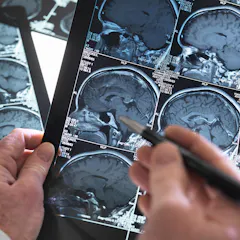
Middle age could be a period when we can detect early risk factors of future cognitive decline.
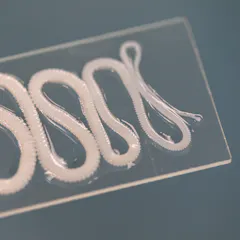
A man from Florida was found to have tapeworm cysts in his brain.
Top contributors
-

Professor of Clinical Neuropsychology, University of Cambridge
-
Postdoctoral Research Associate, Cognitive Neuroscience, University of Cambridge
-
Senior Research Fellow, The Perron Institute for Neurological and Translational Science, and Faculty of Health Sciences, Curtin University
-
Professor of Science and Technology for Brain-Inspired Intelligence/ Computer Science, Fudan University
-
Professor of Music Psychology, Durham University
-
Postdoctoral Researcher in Cognitive Neurosciences, The University of Queensland
-
Lead, Cognition and Consciousness Imaging Group, Division of Anaesthesia, University of Cambridge
-
Penn State
-
Senior Lecturer (Adjunct), Nutritional neuroscientist, Adelaide University
-
Professor of Anatomy, Lancaster University
-
Professor of Chemistry and Senior Scientist of the Krembil Research Institute, University Health Network, University of Toronto
-
Researcher, The University of Melbourne
-
Postdoctoral Researcher in Neuroscience, University of Sussex
-
Professor of Behavioral Neuroscience, University of Richmond
-
Professeur agrégé de neurosciences computationnelles et neurophysiologie, L’Université d’Ottawa/University of Ottawa